Beginner
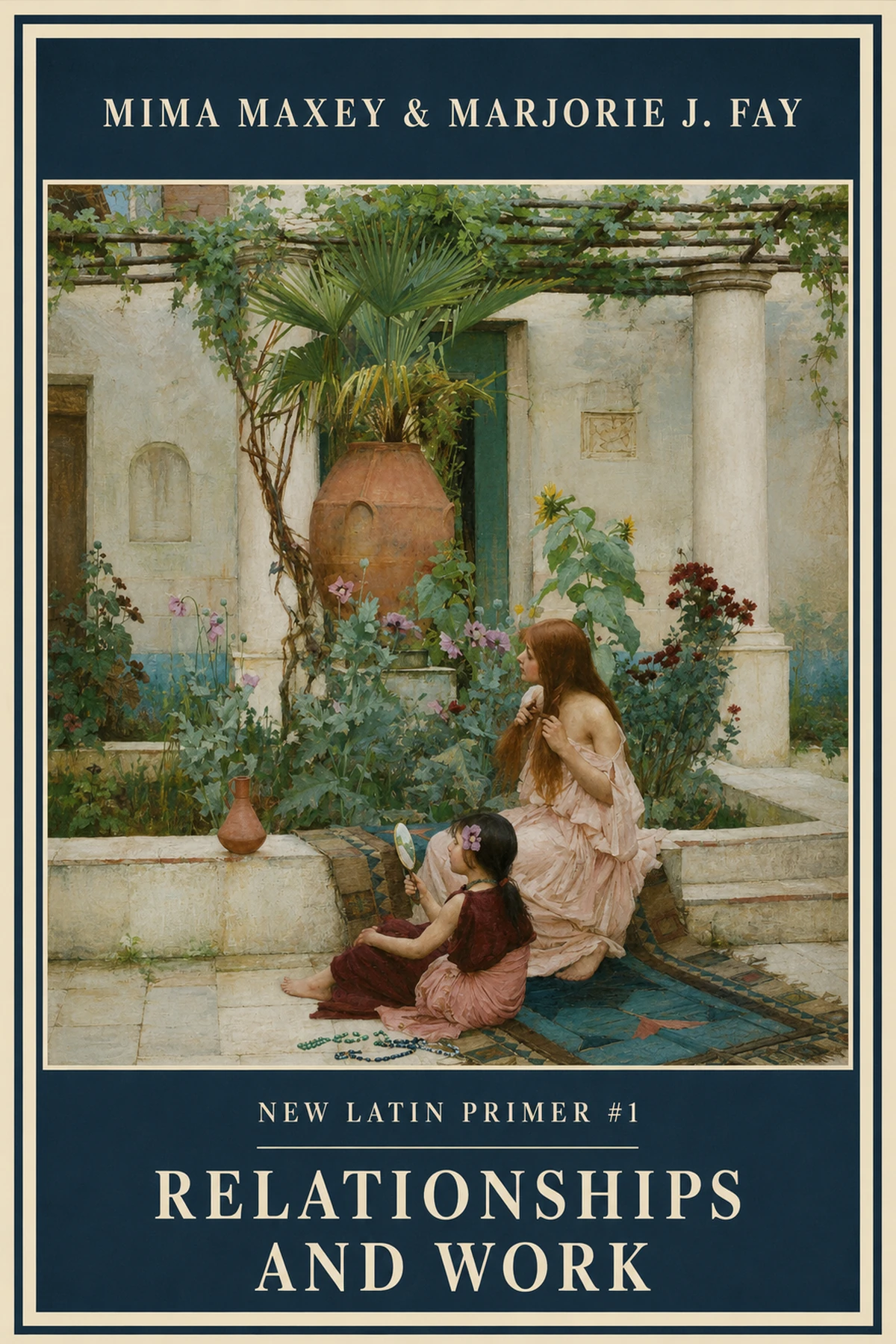
Relationships and Work
Begin Latin through people you can picture immediately—teachers, pupils, families, farmers, sailors, roads, places, and the work that connects them.
FamilyDaily lifeGraded Level 1
Bibliotheca
Browse by difficulty or interest. Every work can become a destination—or a stepping stone toward another.
Begin Latin through people you can picture immediately—teachers, pupils, families, farmers, sailors, roads, places, and the work that connects them.
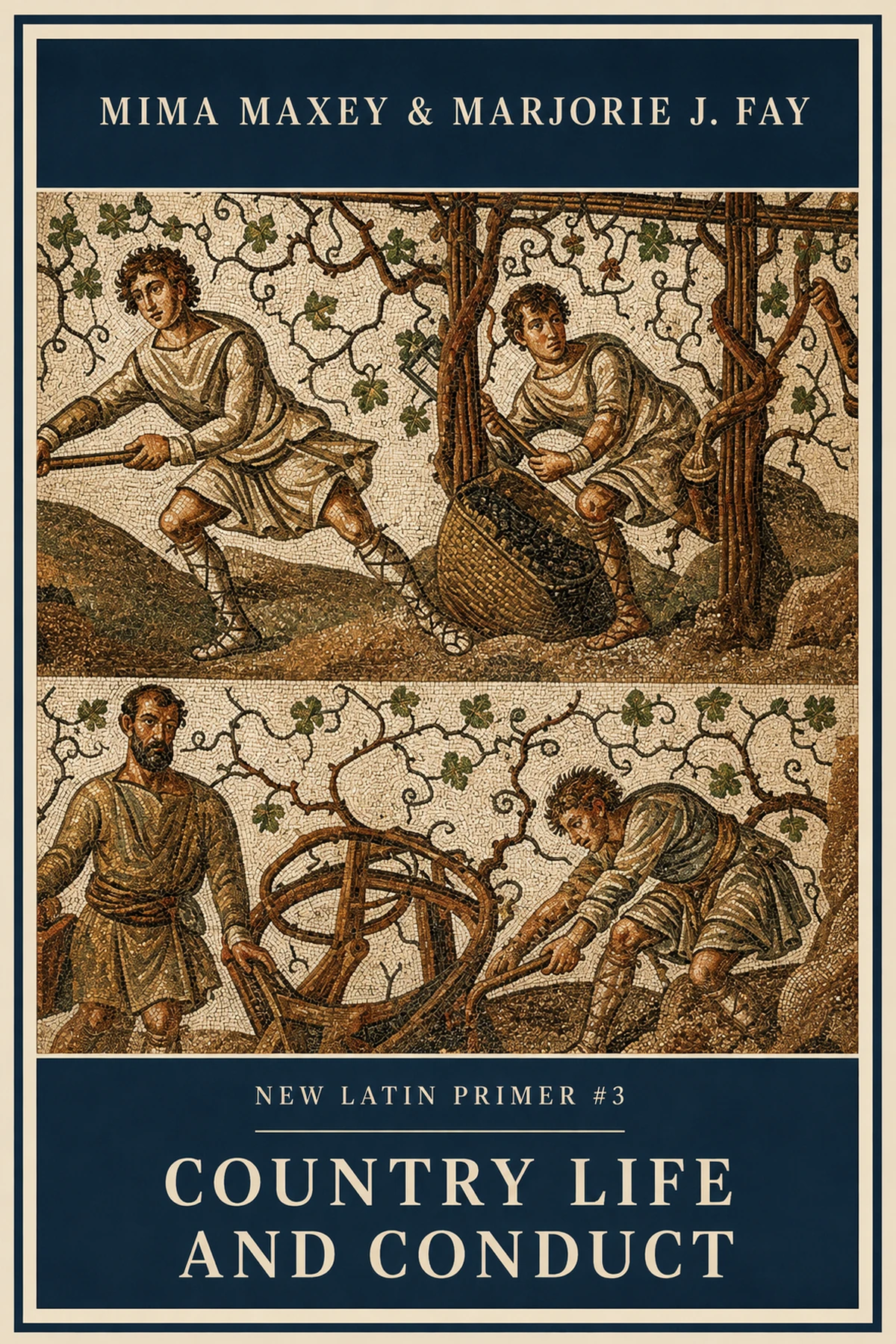
Three compact stories of country life, work, misbehavior, and reward give the learner a gentle bridge from domestic Latin to fuller narrative.

A short nature-study reader on the earth, the sun, and the moon, in simple classroom Latin.
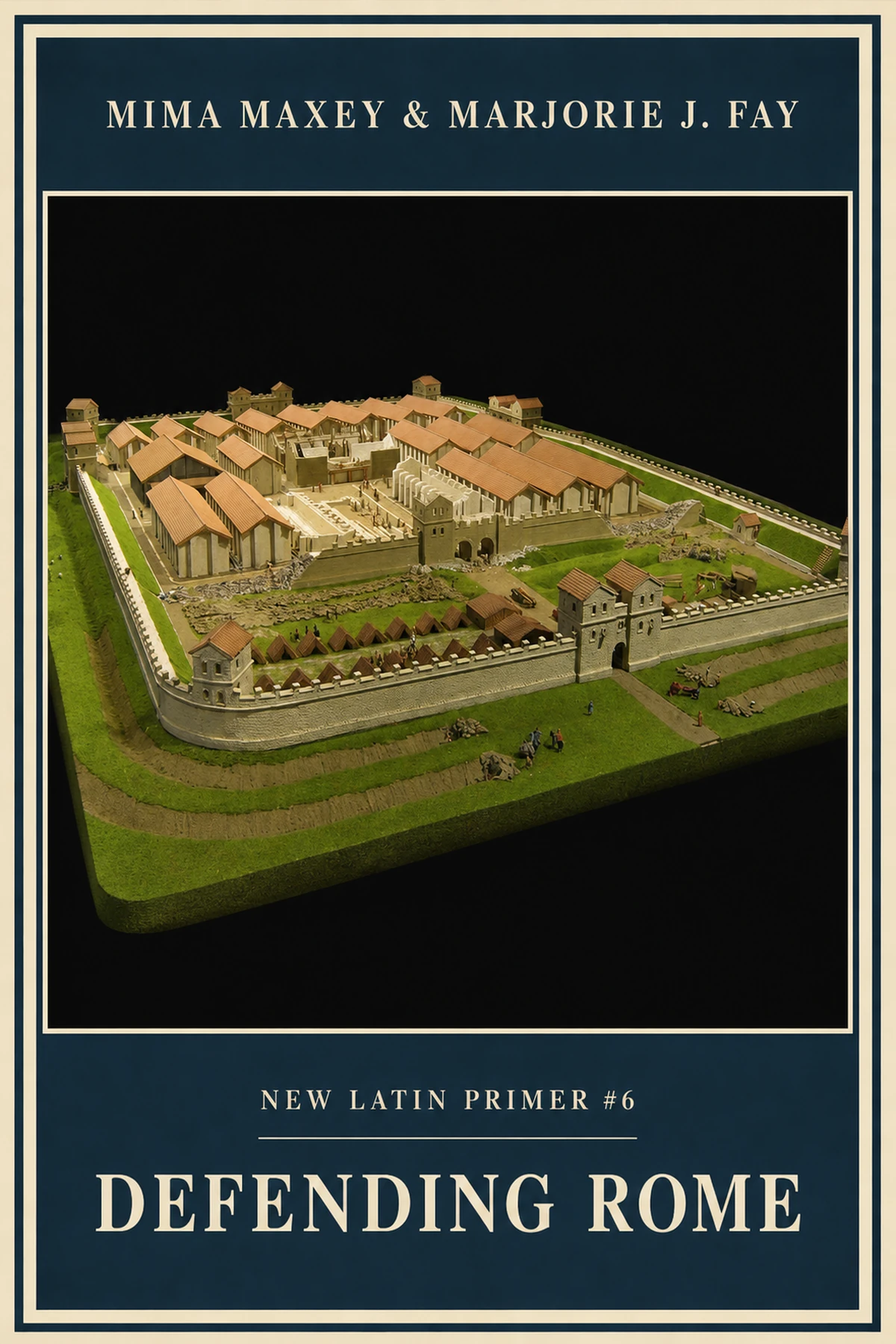
Sacred geese, frightened deserters, urgent messengers, disobedient slaves, and danger in the dark turn Roman defense into a collection of fast-moving Latin stories.
A beginner sequence of tiny classroom dialogues to help you learn basic vocabulary and become comfortable reading.
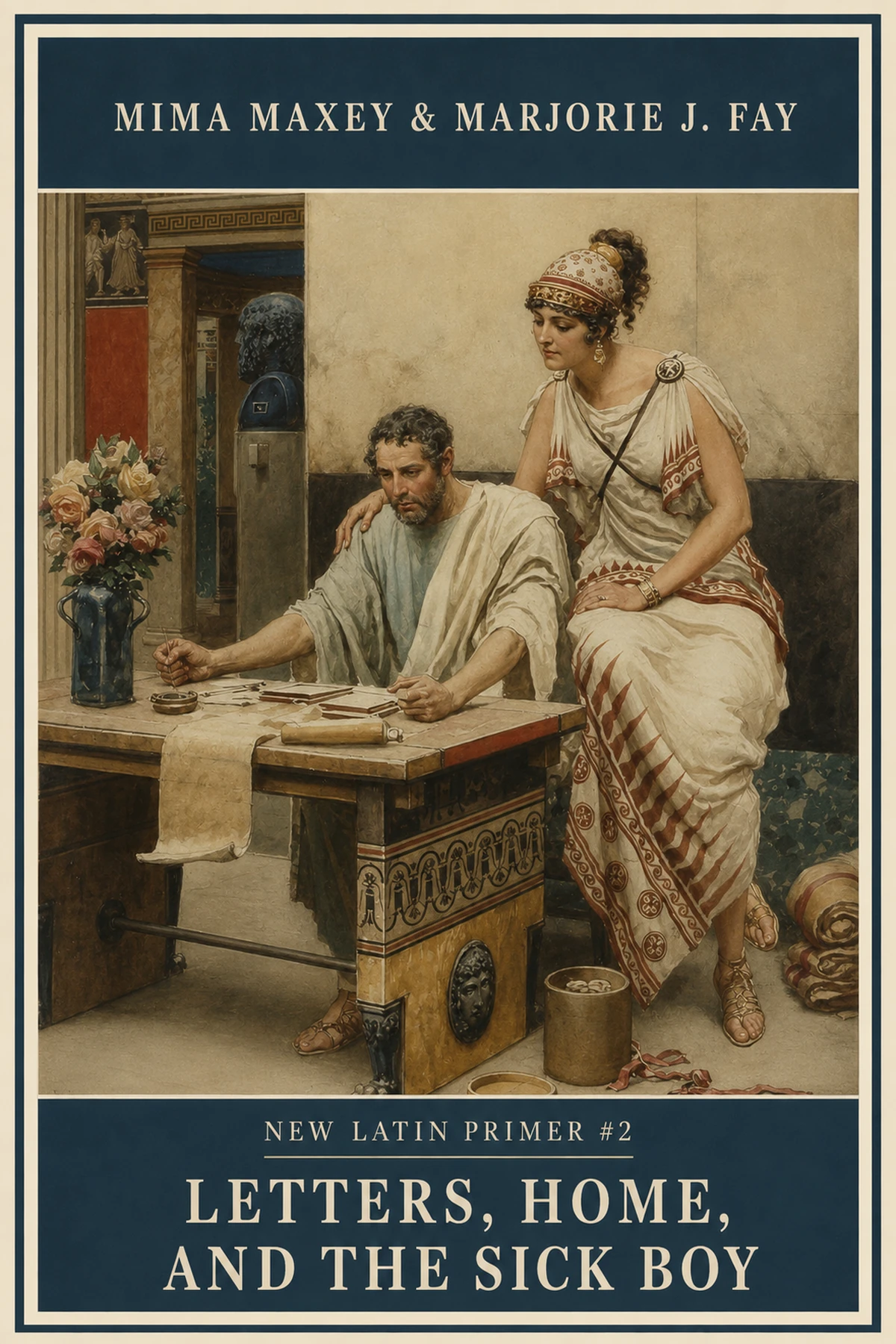
Letters cross distances, homes and gardens come into view, and a doctor’s nighttime journey turns elementary Latin into a real story.
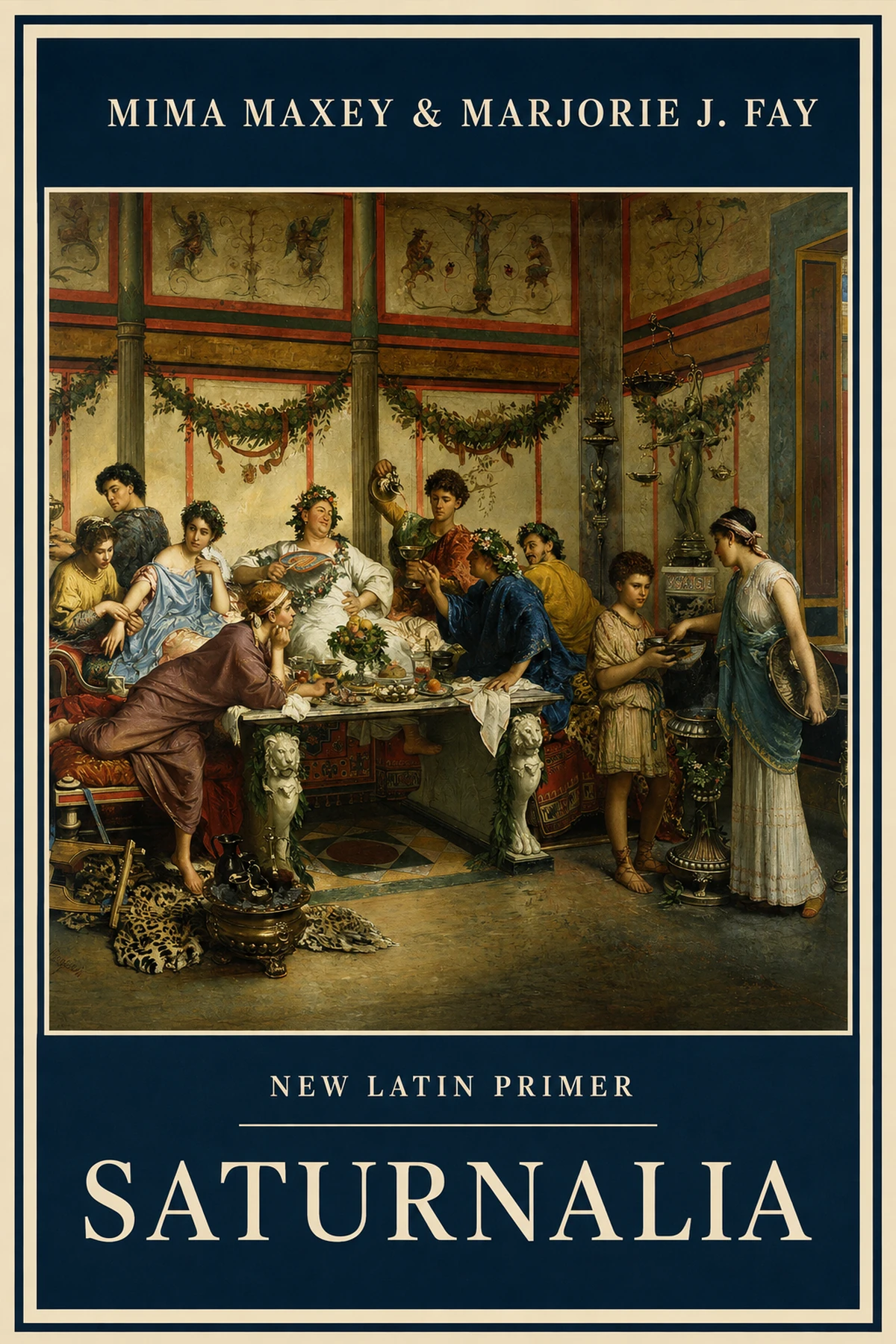
Candles, gifts, feasting, reversed social roles, and Roman calendar customs make Saturnalia a compact seasonal excursion into Roman holiday life.

Boats, wagons, pioneer travel, a famous battlefield, yacht racing, and a growing American city show just how far Latin can travel beyond Rome.
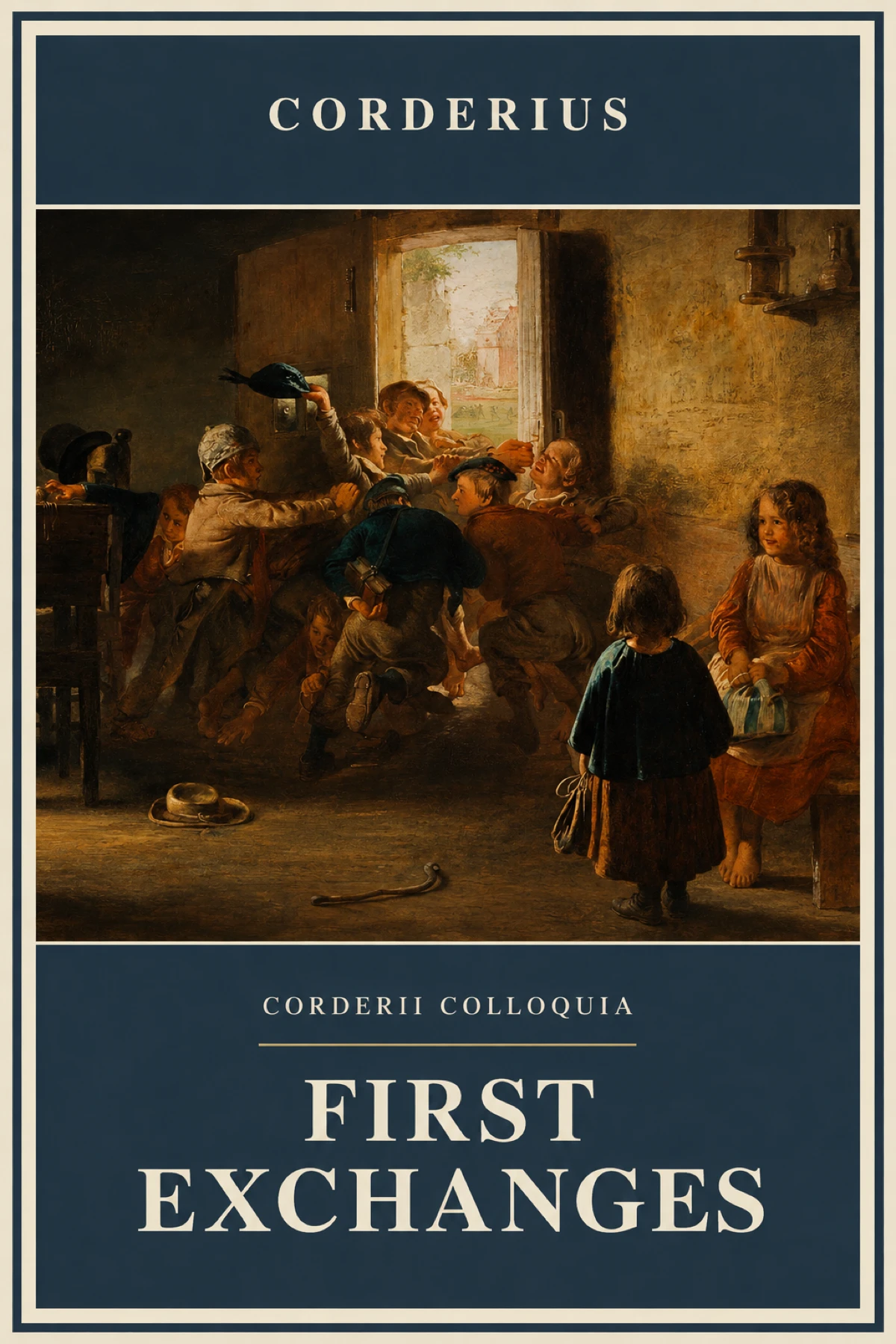
Sixteen short classroom dialogues of first greetings, breakfast, and everyday errands, from the 16th-century Latin conversation manual Colloquia Scholastica.
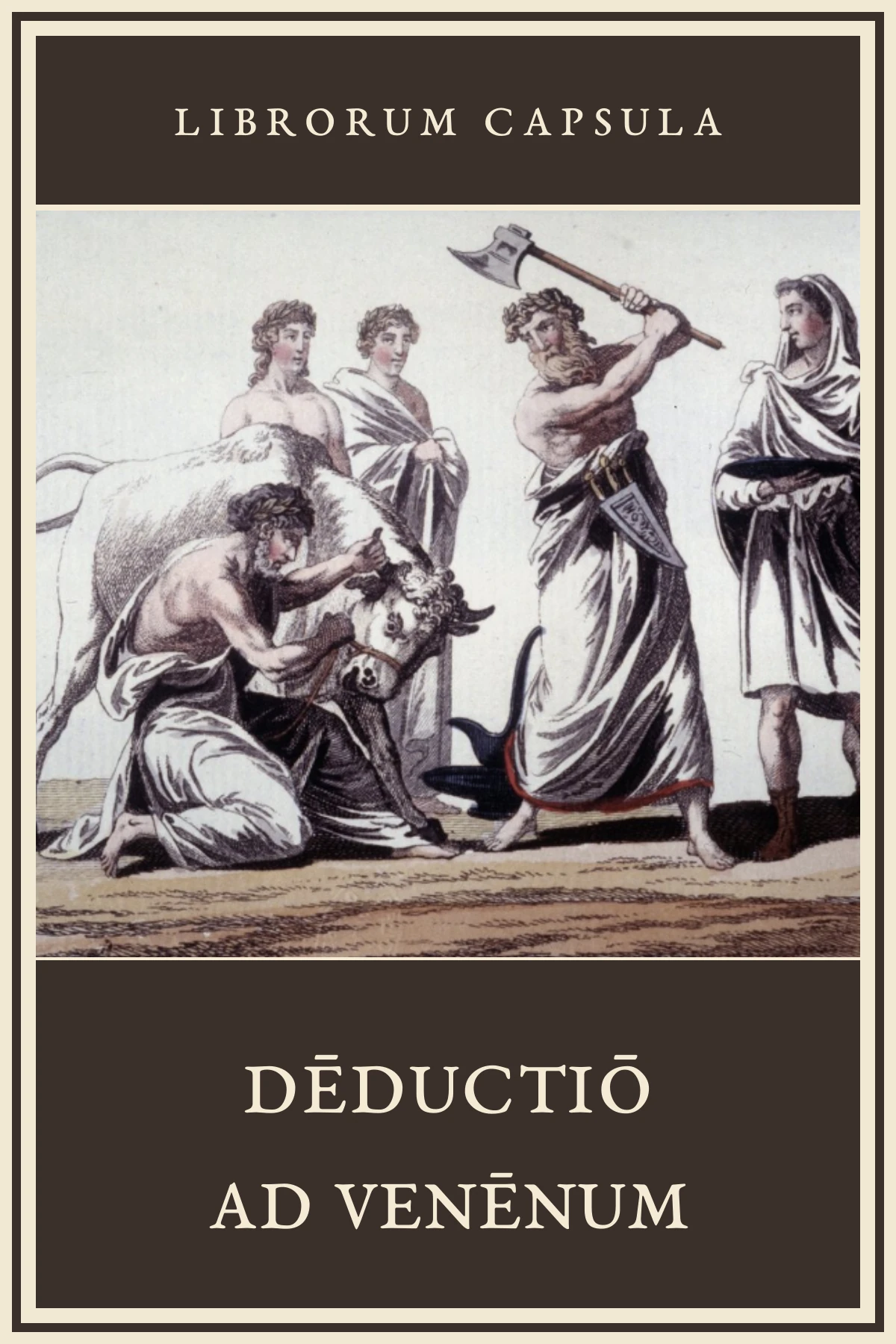
A young Roman boy's coming-of-age is shadowed by Rome's rough politics and a dose of poison, told as an original graded story.
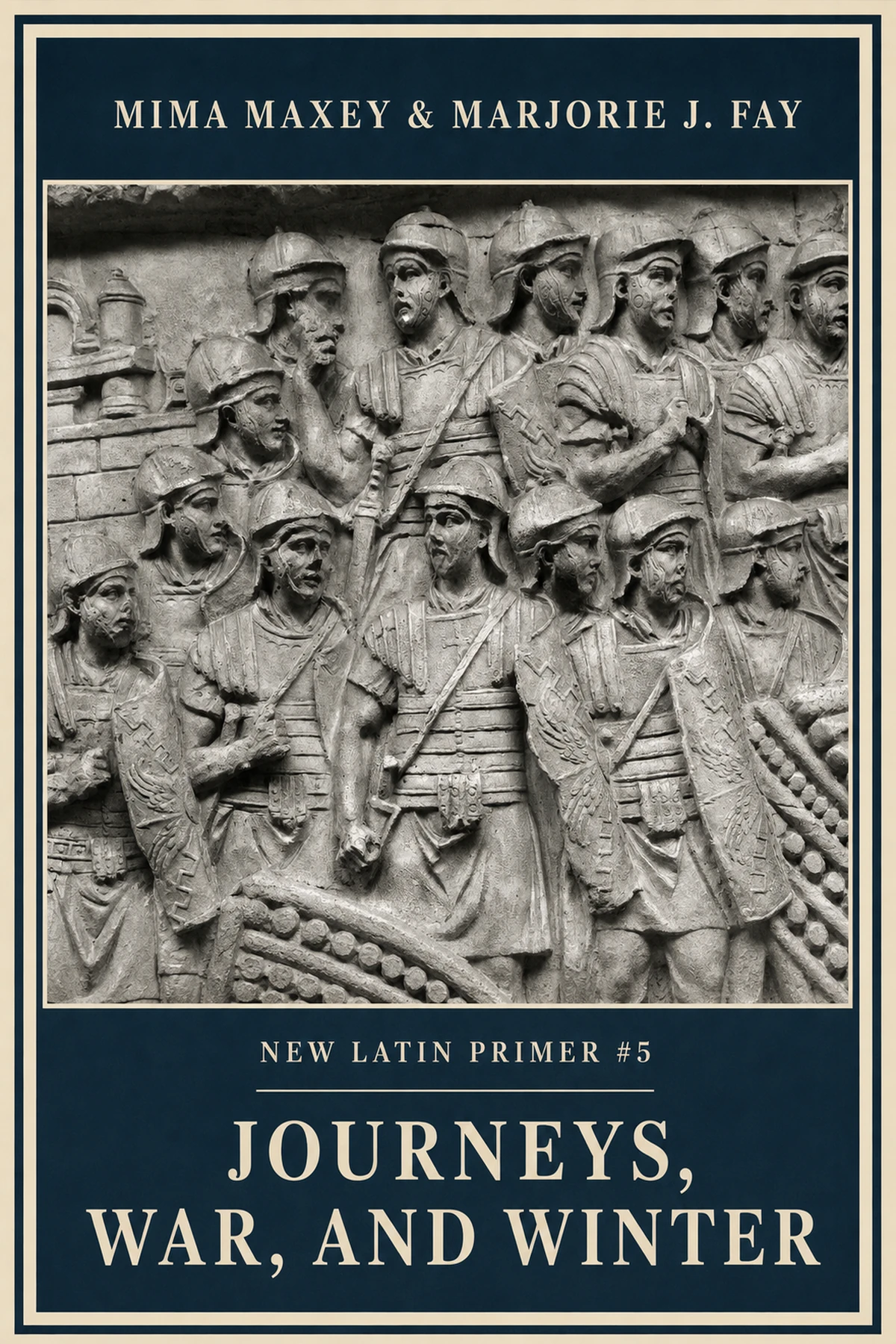
A carriage ride, soldiers going to war, a blind veteran's battle story, and winter imagined as an invading army carry the learner into longer, more dramatic Latin.
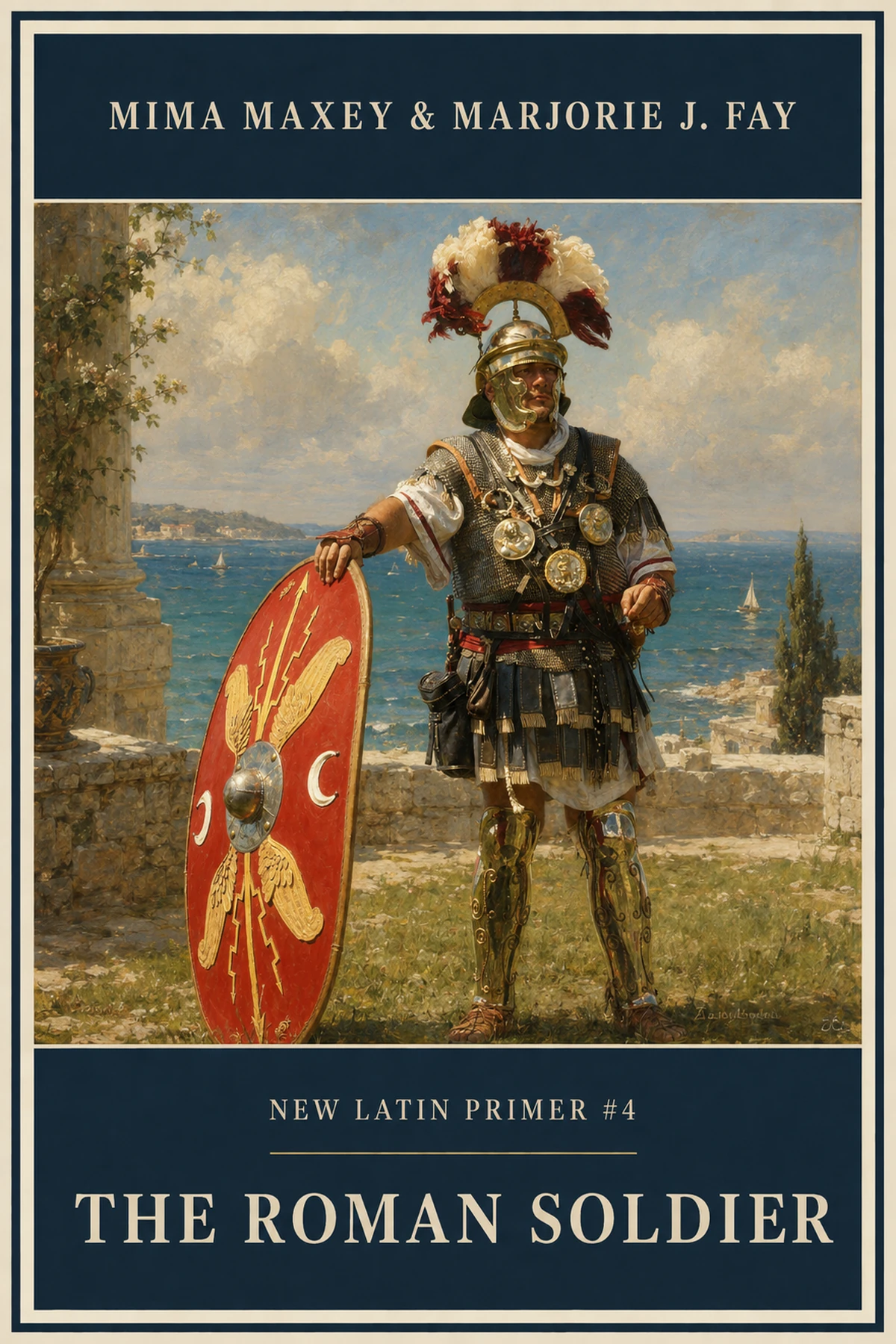
Meet the Roman soldier through the armor he wears, the weapons he carries, the camp he inhabits, and the questions young learners ask about military life.
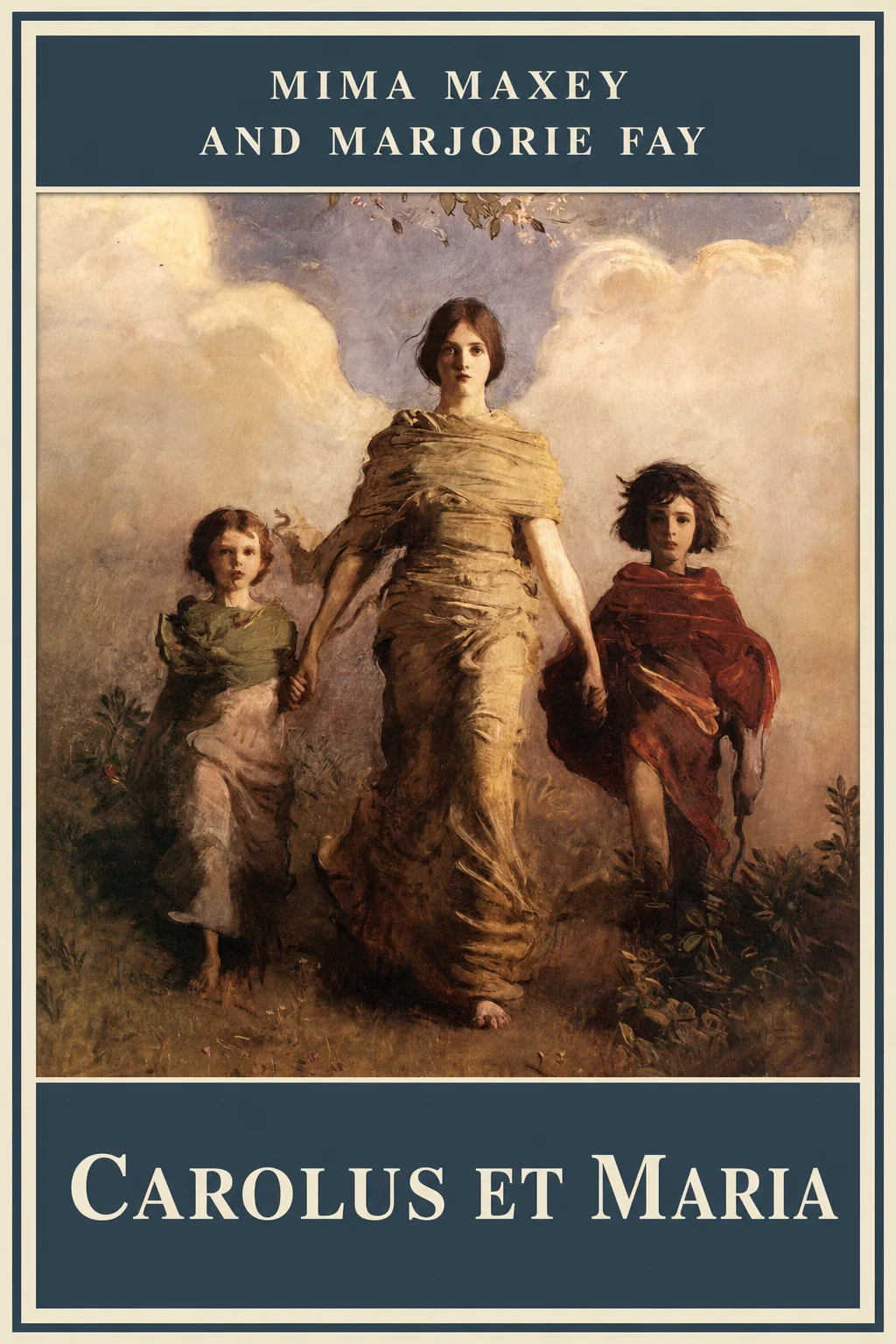
Highly repetitive Level 1 prose about two children, their family, and their world.
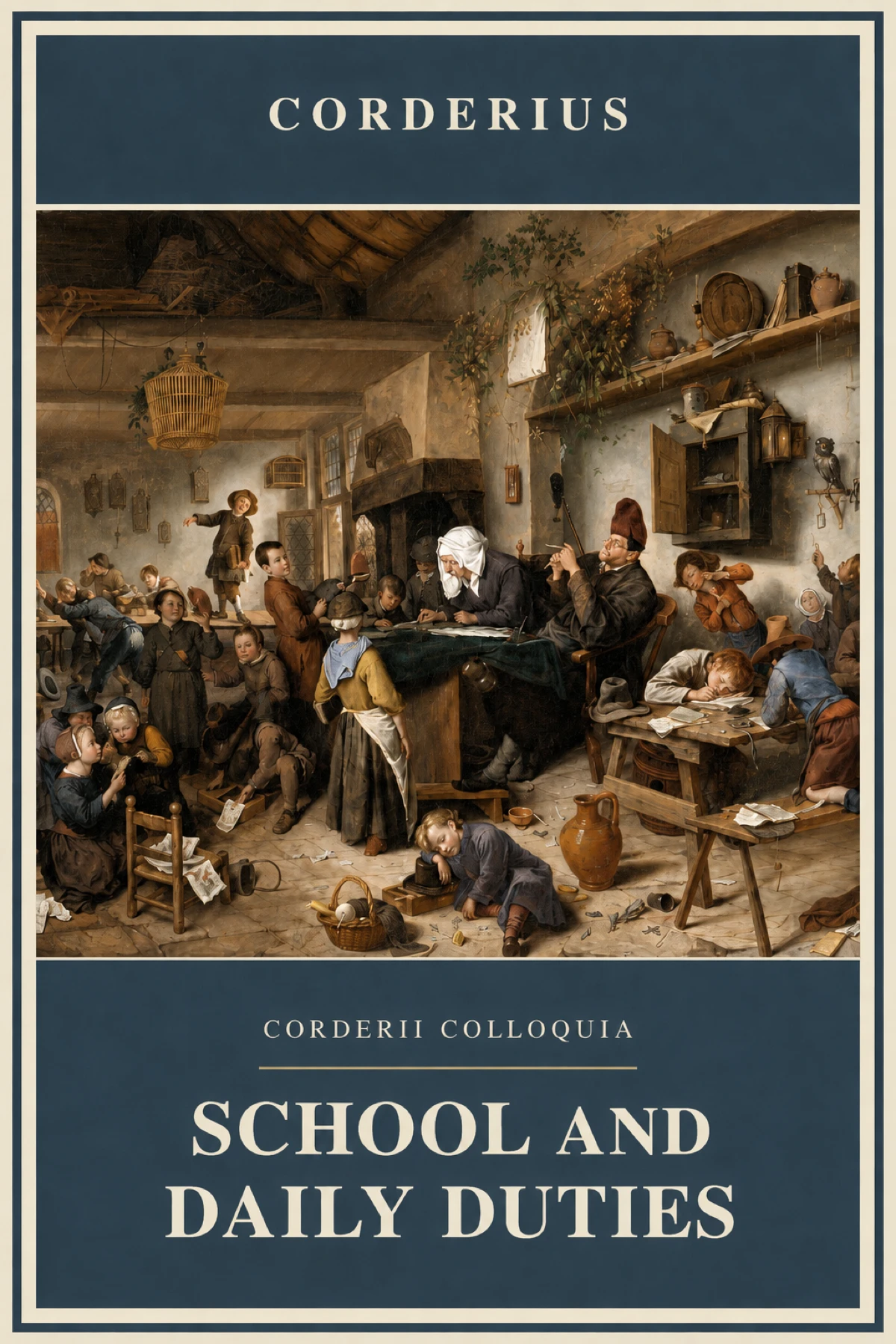
Twenty-three short classroom dialogues of school routines, chores, and family life, from the 16th-century Latin conversation manual Colloquia Scholastica.
A Gallic hunter enters a beautiful forest looking for deer, but tracks down some game that isn't what it appears to be.
Republican offices, military command, rescue, treason, and public duty make this the series' turn toward civic and institutional Latin.
A continuous Level 1 reader that builds a small, familiar world through controlled repetition.
A complete maritime and historical reader, including Caesar's expeditions to Britain.
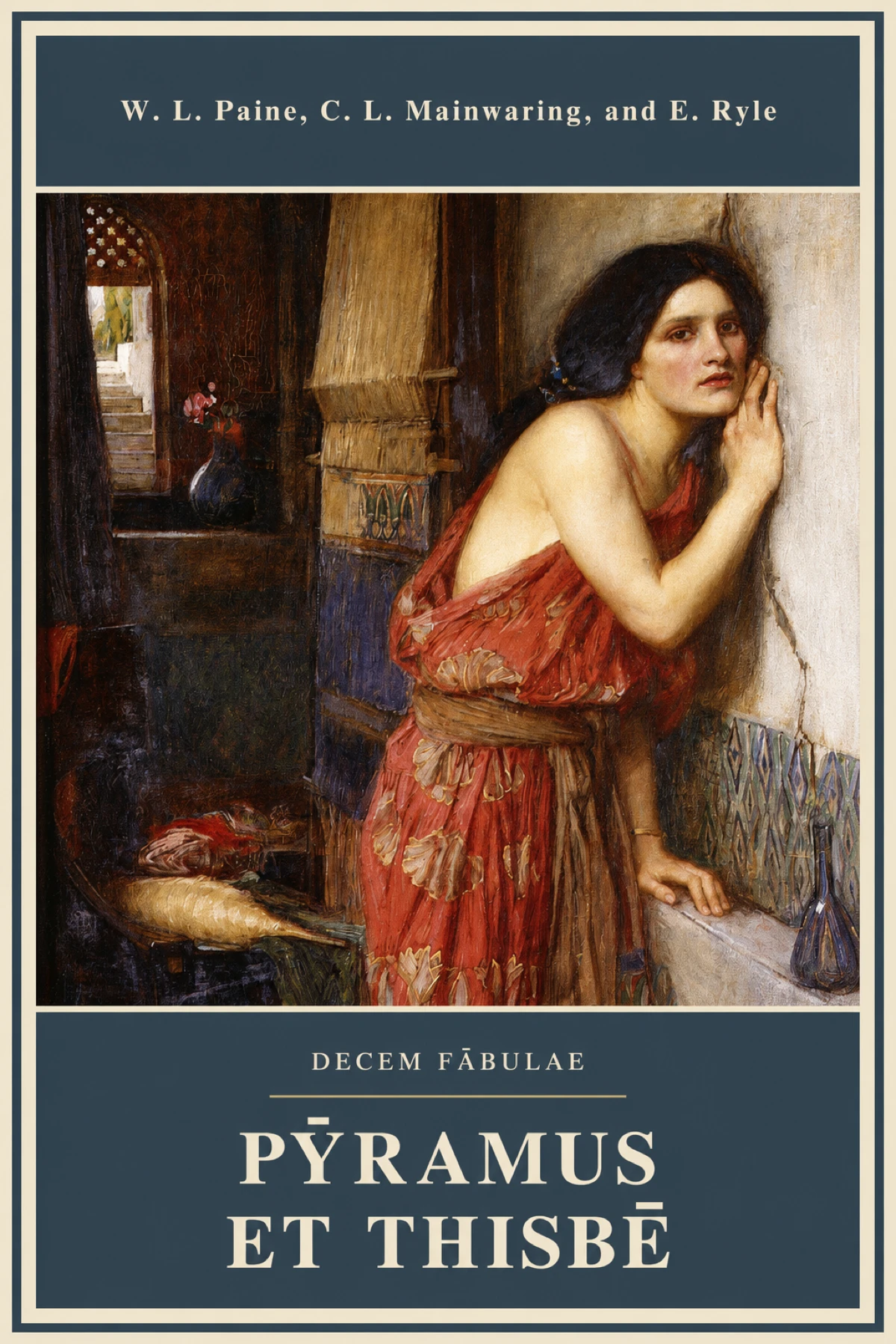
A short classroom play retelling the tragedy of Pȳramus and Thisbē, staged with the two lovers' houses played by a line of numbered walls.
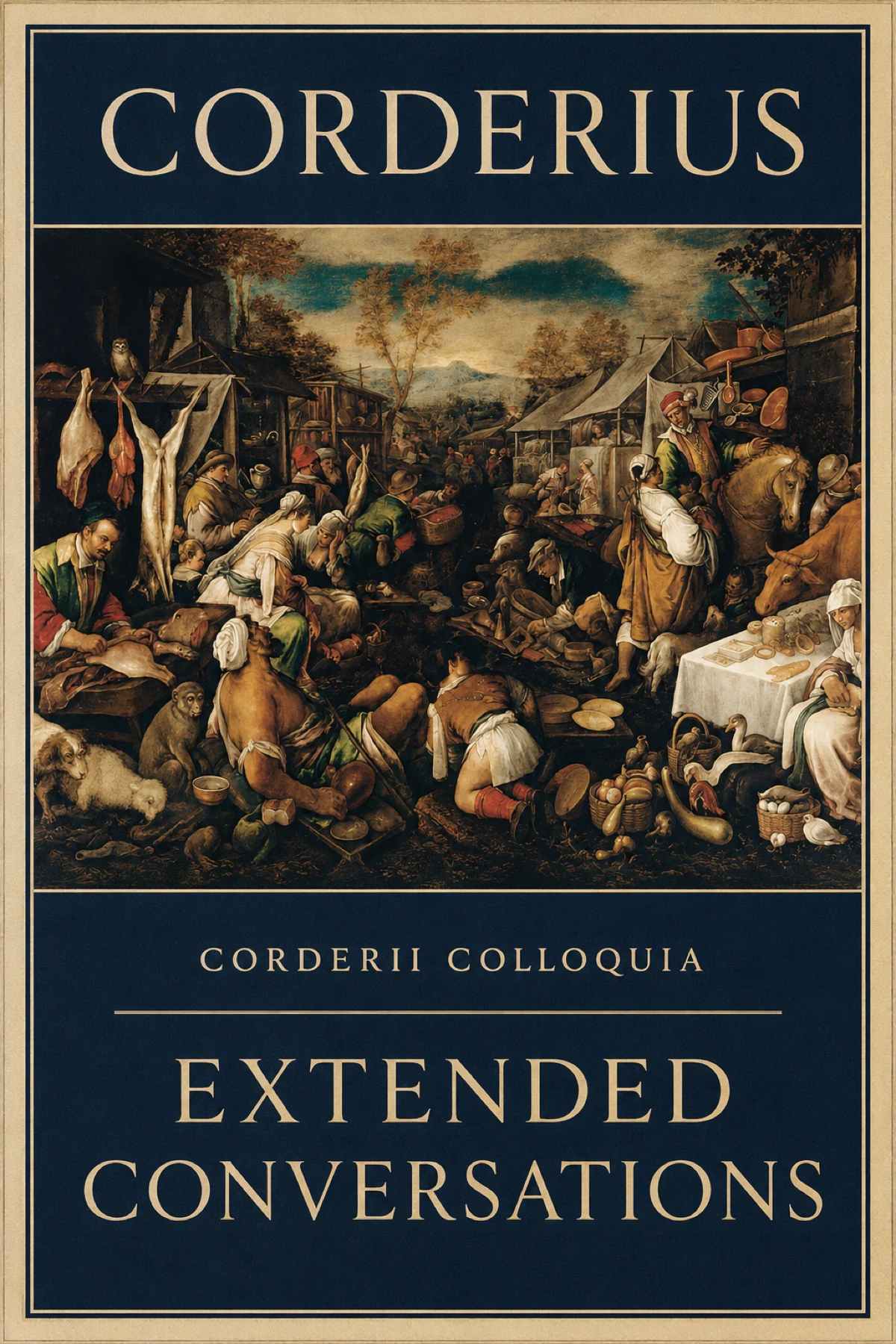
Fourteen longer classroom dialogues of everyday conversation, from the 16th-century Latin conversation manual Colloquia Scholastica.

Estranged brothers, attacked homes and forts, a veteran's memories, and a revolt for liberty bring the primer's hardest stories to a dramatic close.

A nature-study reader on the stars, day and night, directions, winds, land, water, and air.
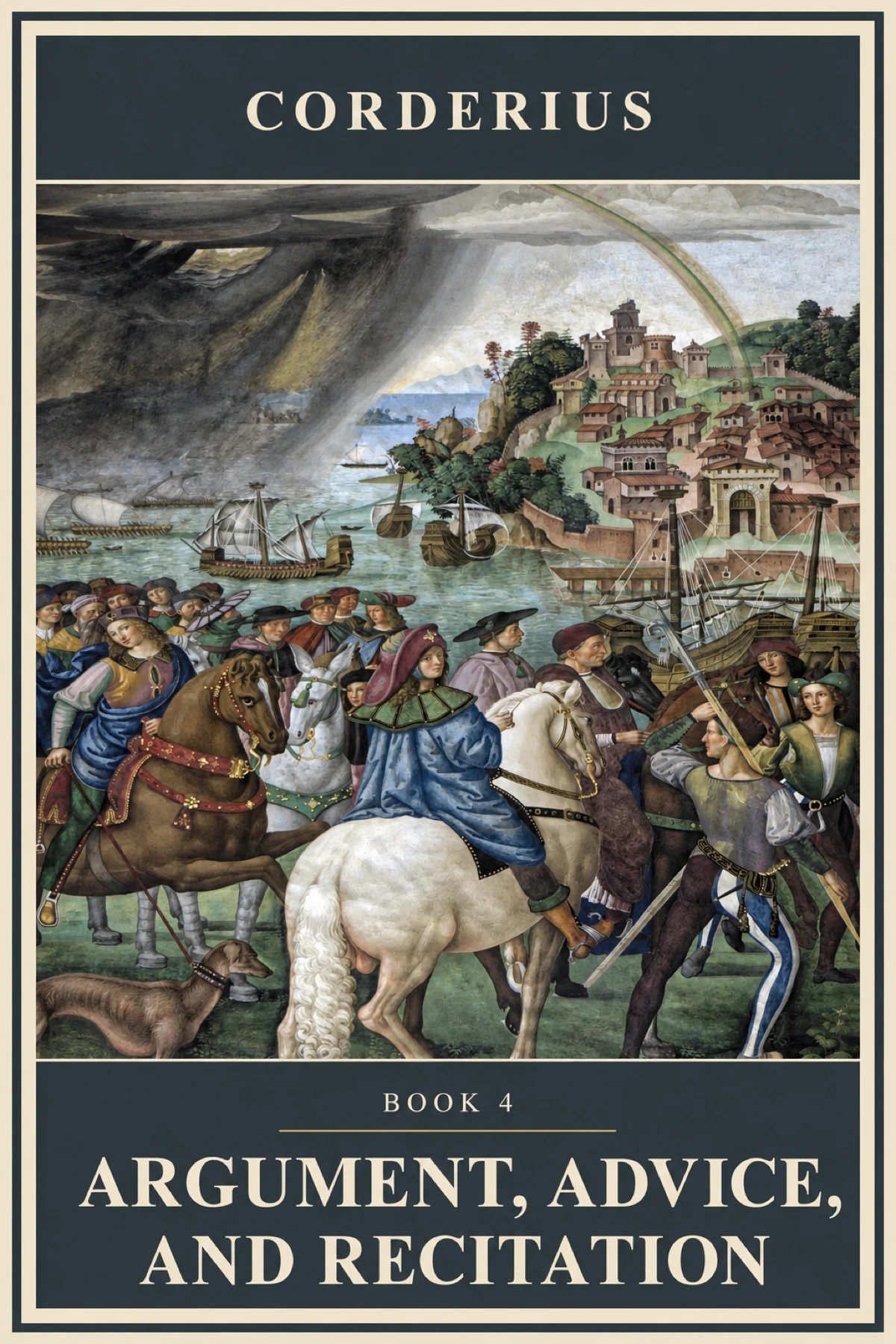
Ten classroom dialogues of argument, advice, and school recitation, from the 16th-century Latin conversation manual Colloquia Scholastica.
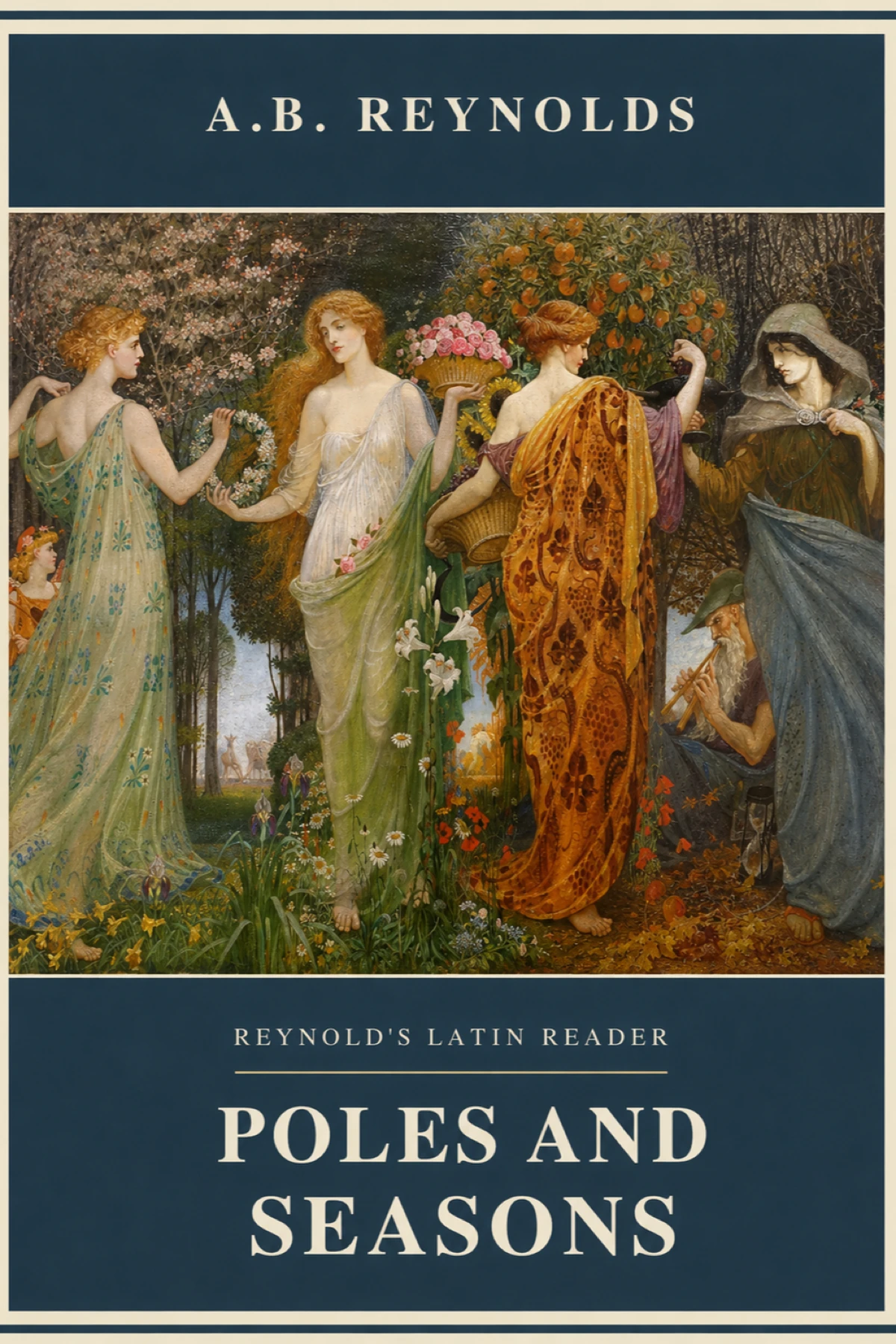
A nature-study reader on the earth's poles, the yearly cycle, and the four seasons.
A short classroom play set in a Roman school, with a strict teacher and his mischievous students.
A short classroom play about a boy who feigns illness to avoid going to school.
Two distinct colloquia preserved in a single manuscript tradition: a connected narrative and an eclectic miscellany.
A sophisticated colloquium combining two manuscript traditions, featuring conversation patterns and philosophical exchanges.
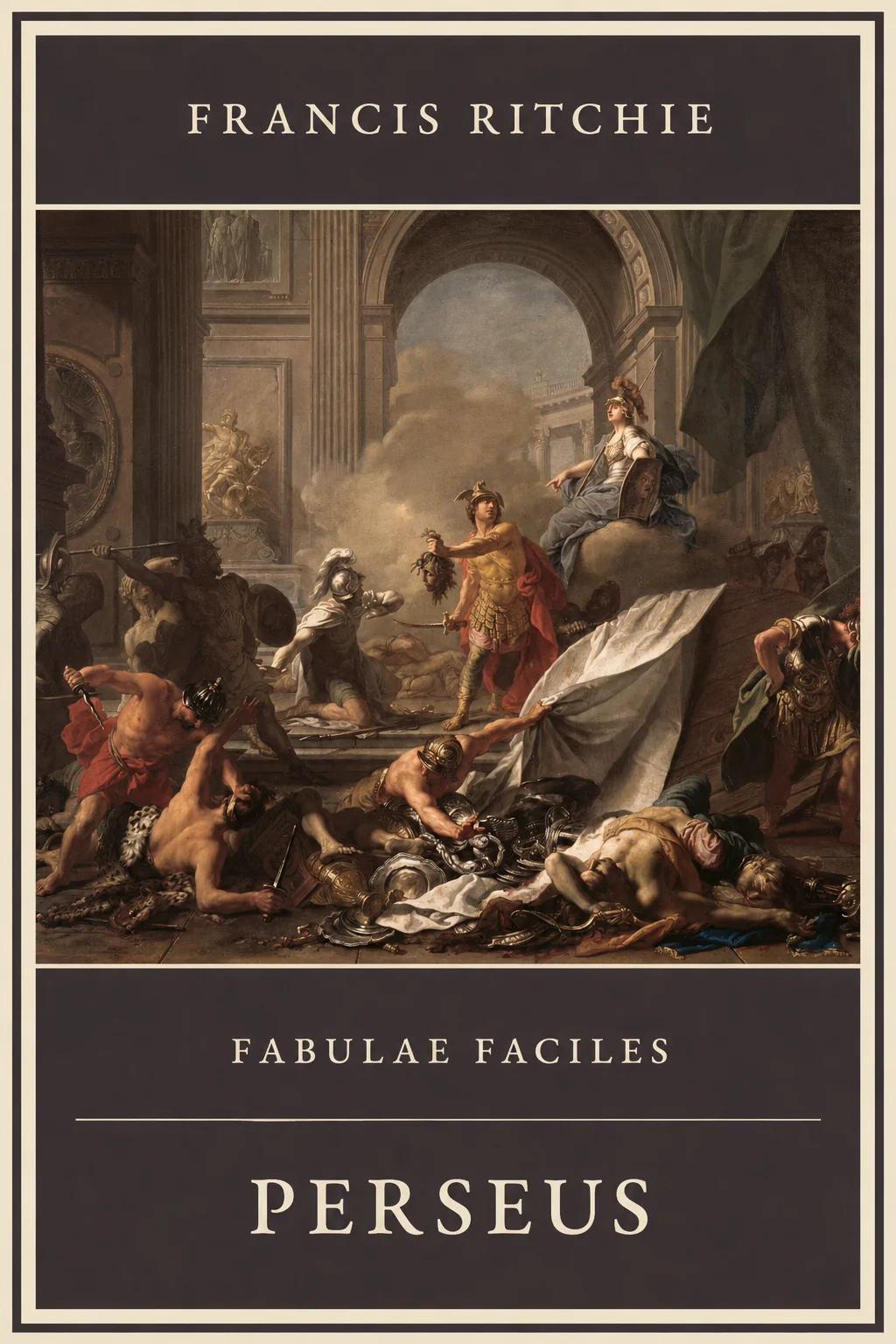
The myth of Perseus, from his birth through the slaying of Medusa and the rescue of Andromeda, in simplified classical Latin.
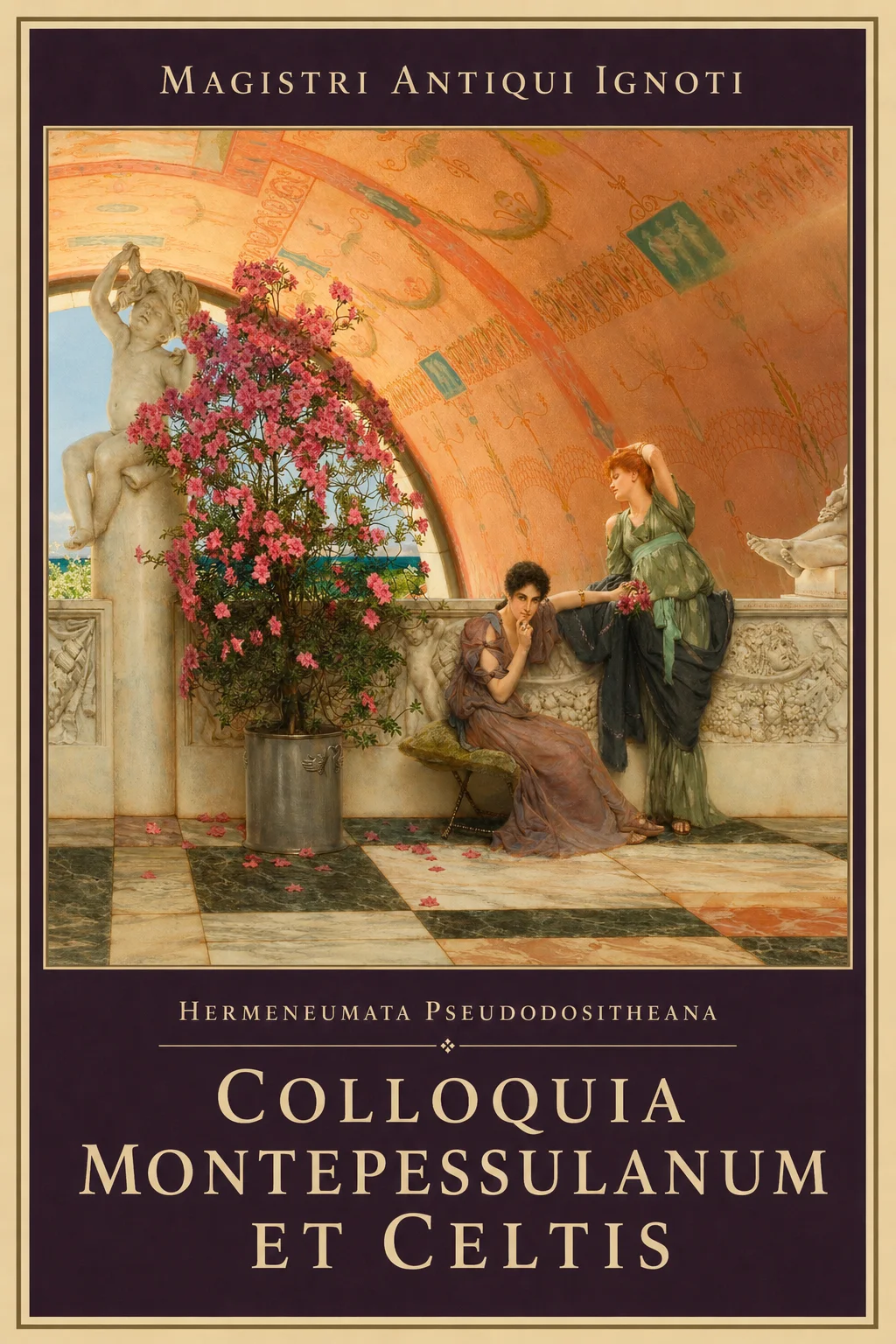
Two colloquia combined: a brief, highly structured colloquium and a substantial miscellany of dialogue passages.
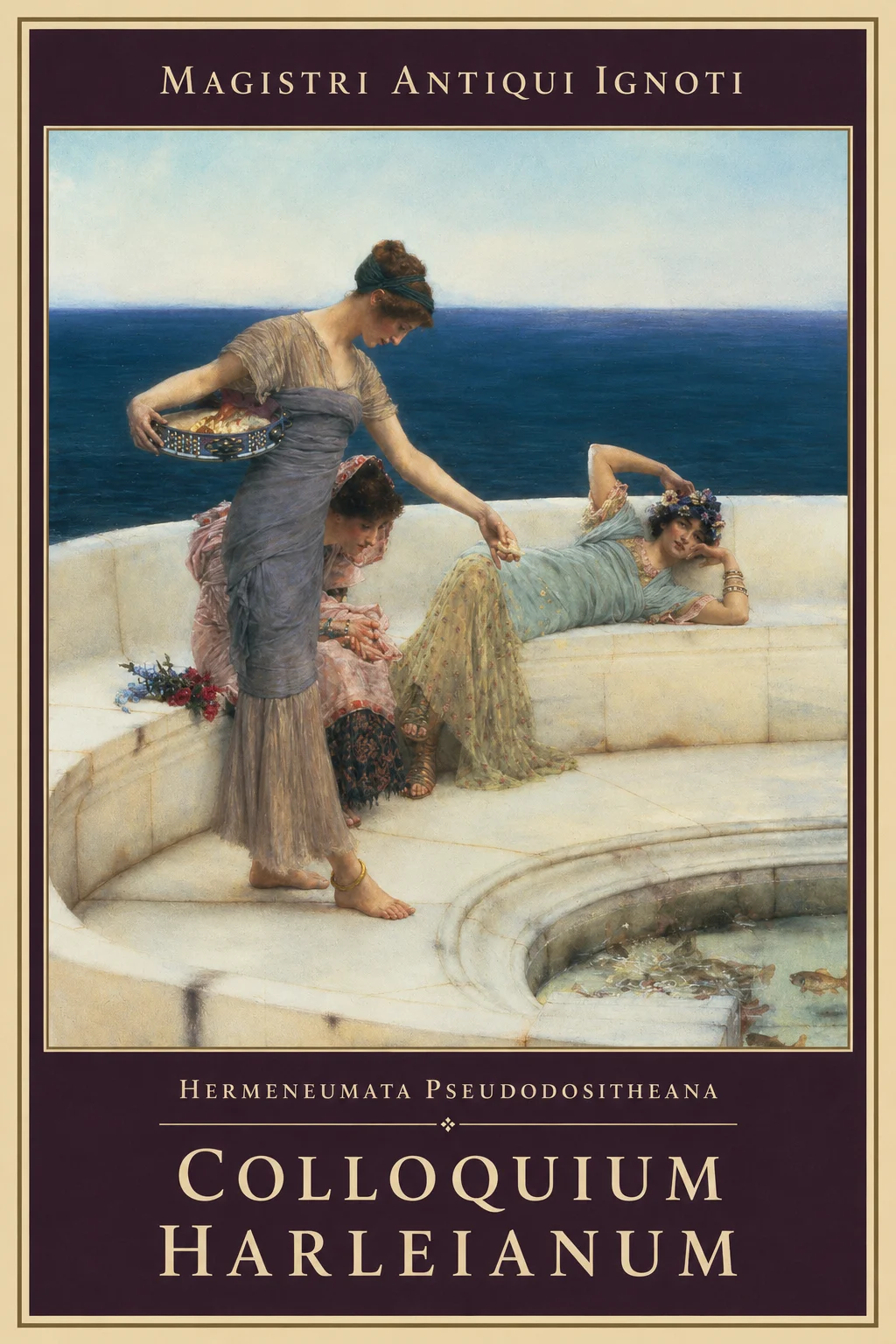
The most extensive of these colloquia: daily school routines, marketplace interactions, and domestic life.
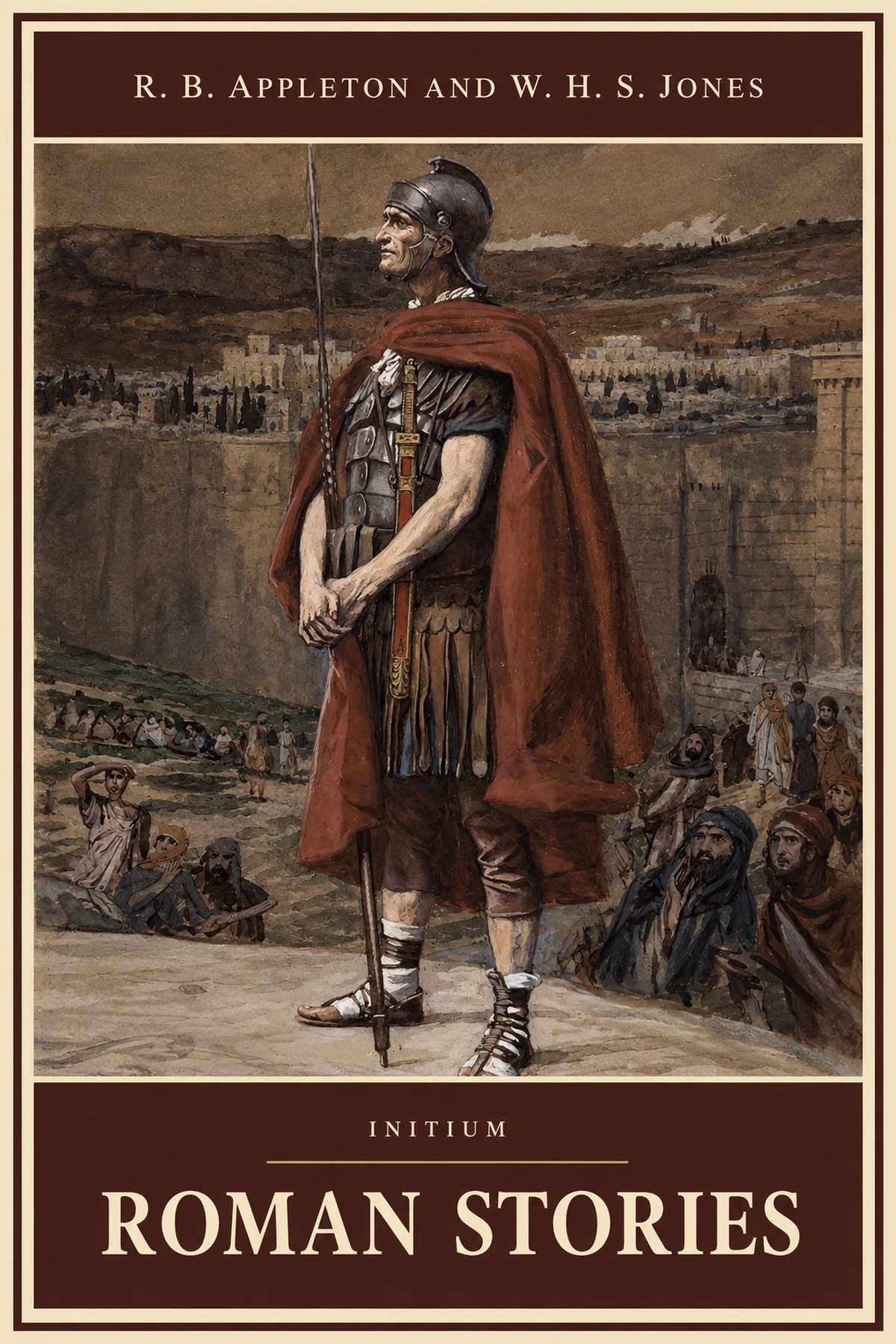
Nine short Roman stories, dialogues, and poems preserved from the first edition of Initium but omitted from the later second edition, which is also available in the Librorum Capsula library.
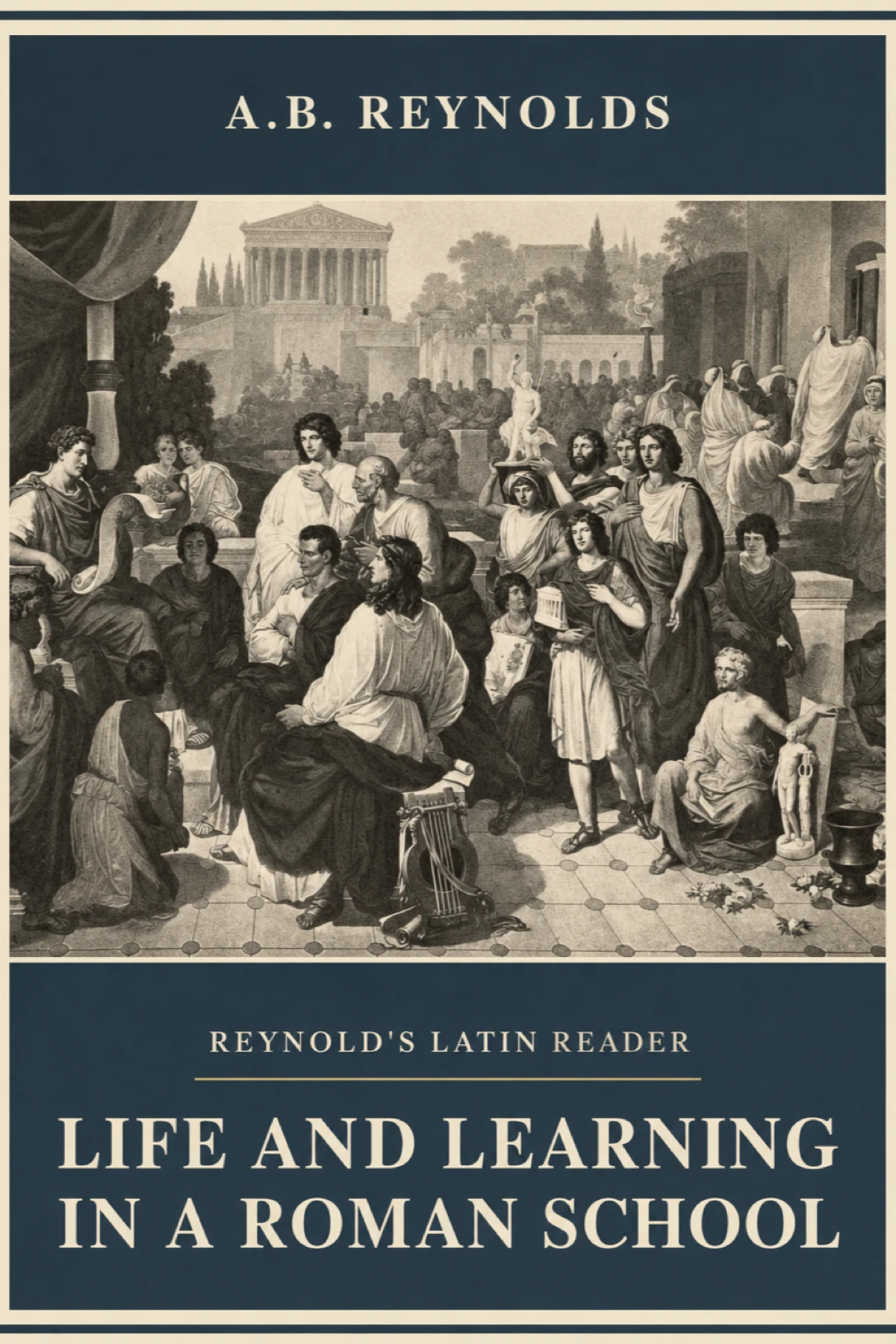
A school-life reader on numbers, colors, time, space, hours, and the Roman calendar.
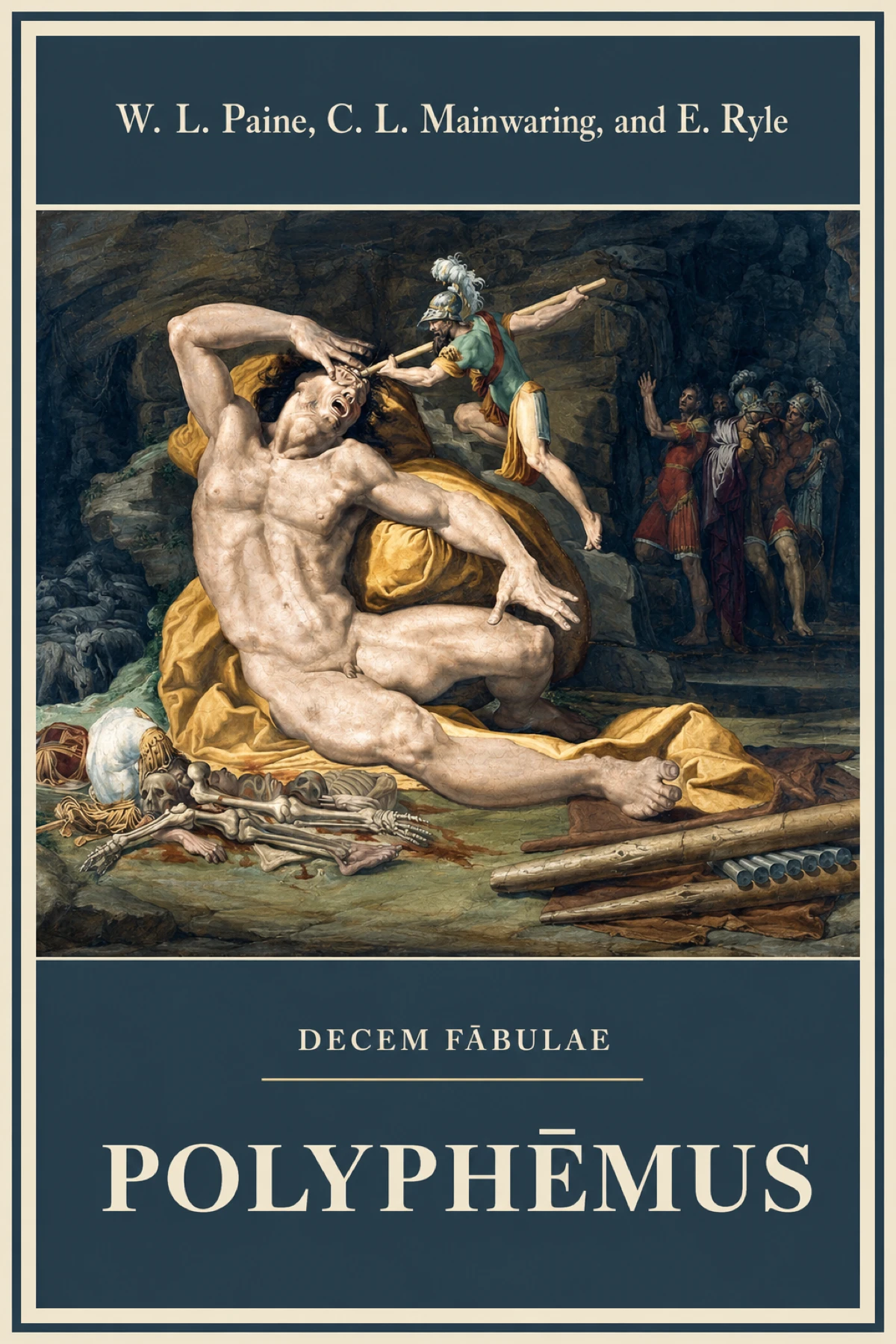
A short play retelling Ulysses and his men's escape from the Cyclops Polyphemus.
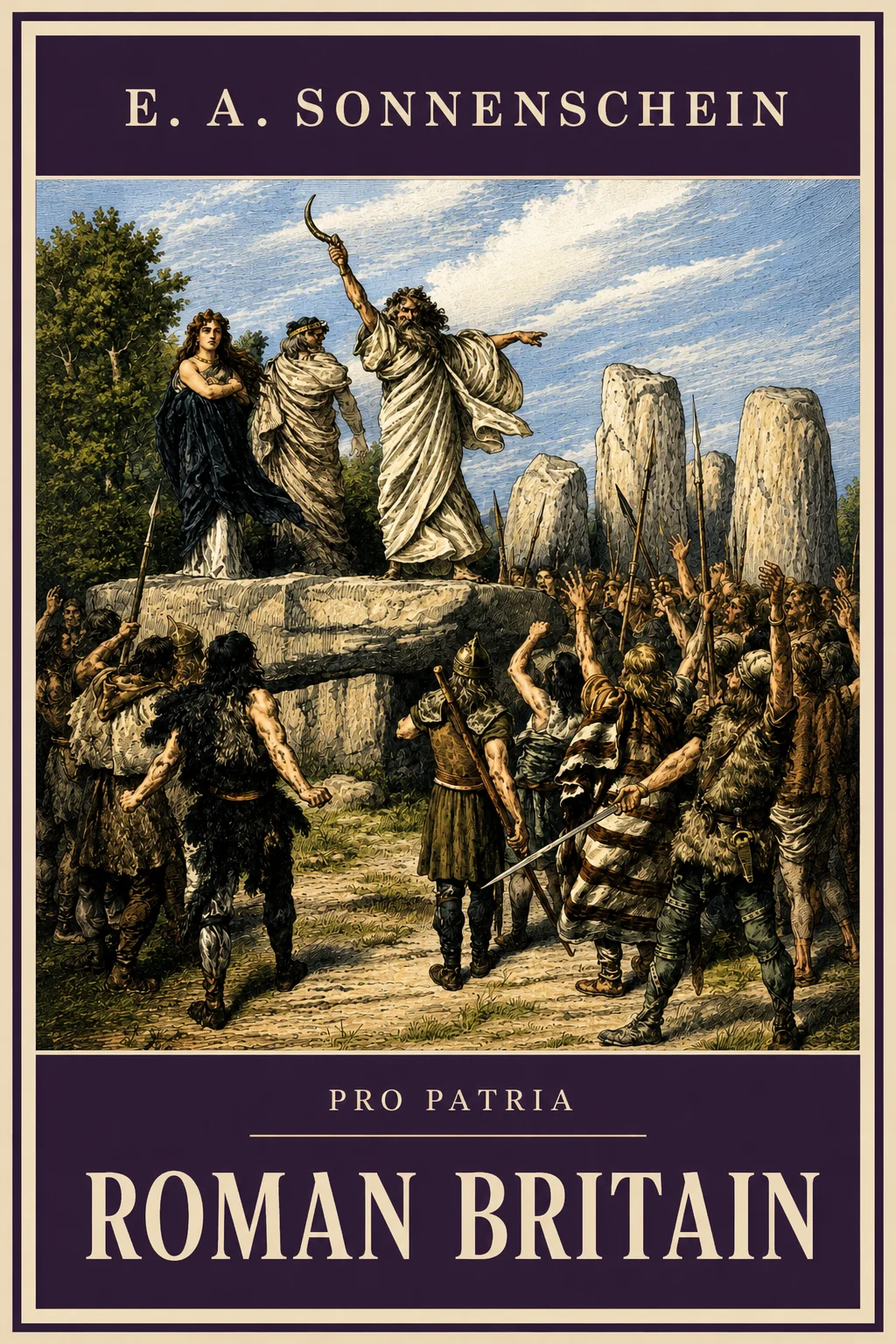
The Roman conquest and settlement of Britain, from Caractacus and Boadicea's resistance through the Pax Romana.
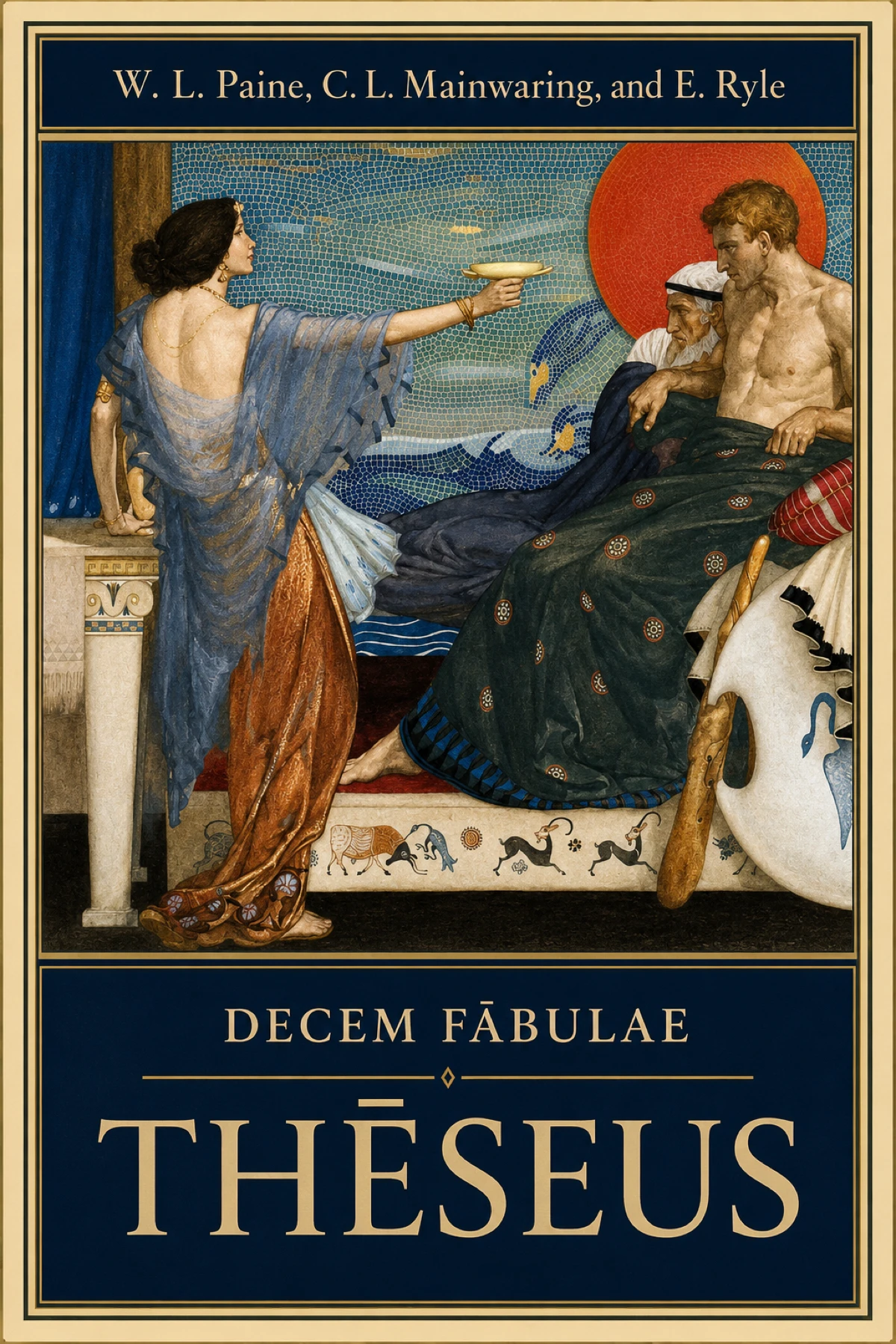
A short play retelling Theseus's arrival in Athens and the exposure of Medea's plot against him.
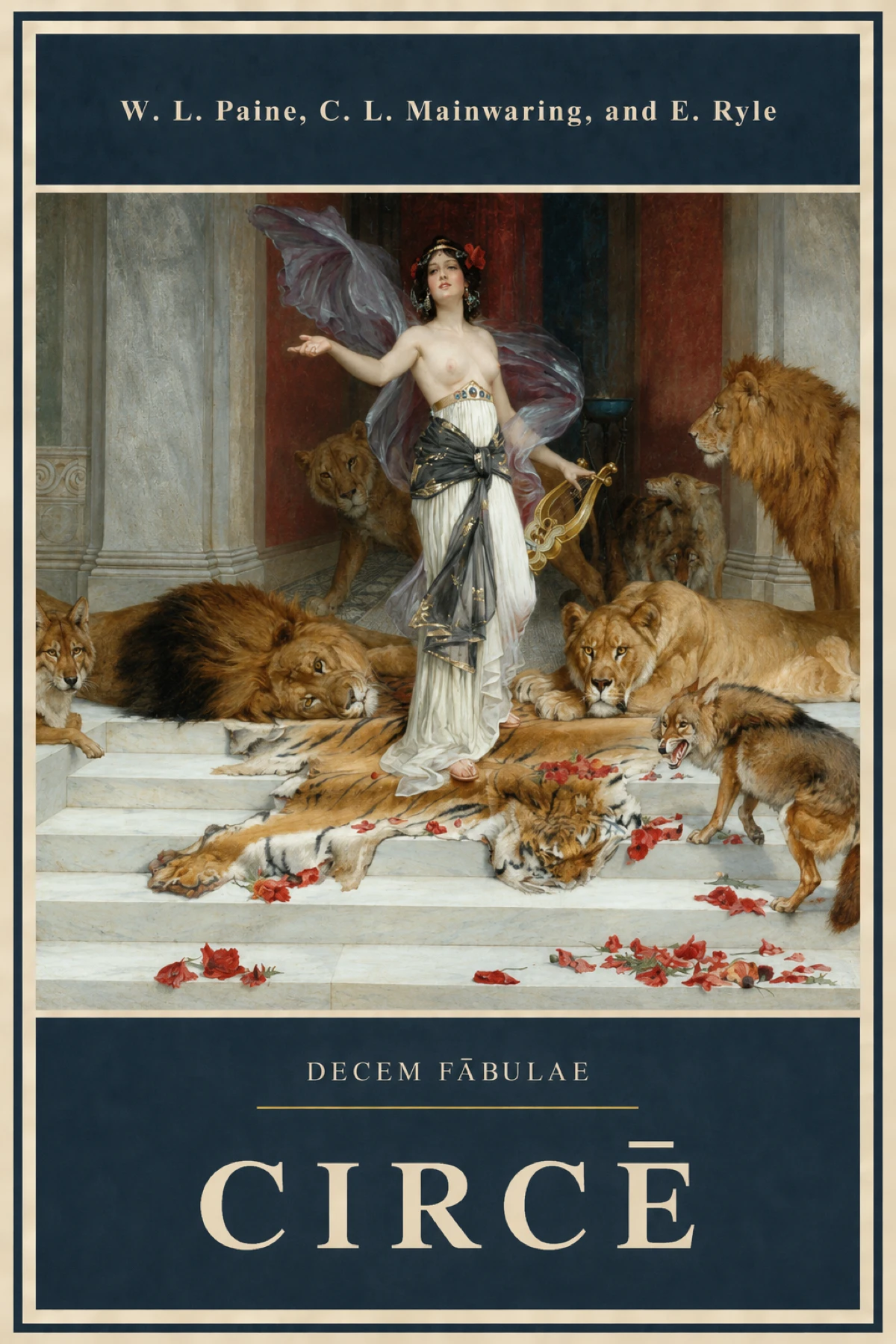
A short play retelling Ulysses and his men's encounter with the enchantress Circe.
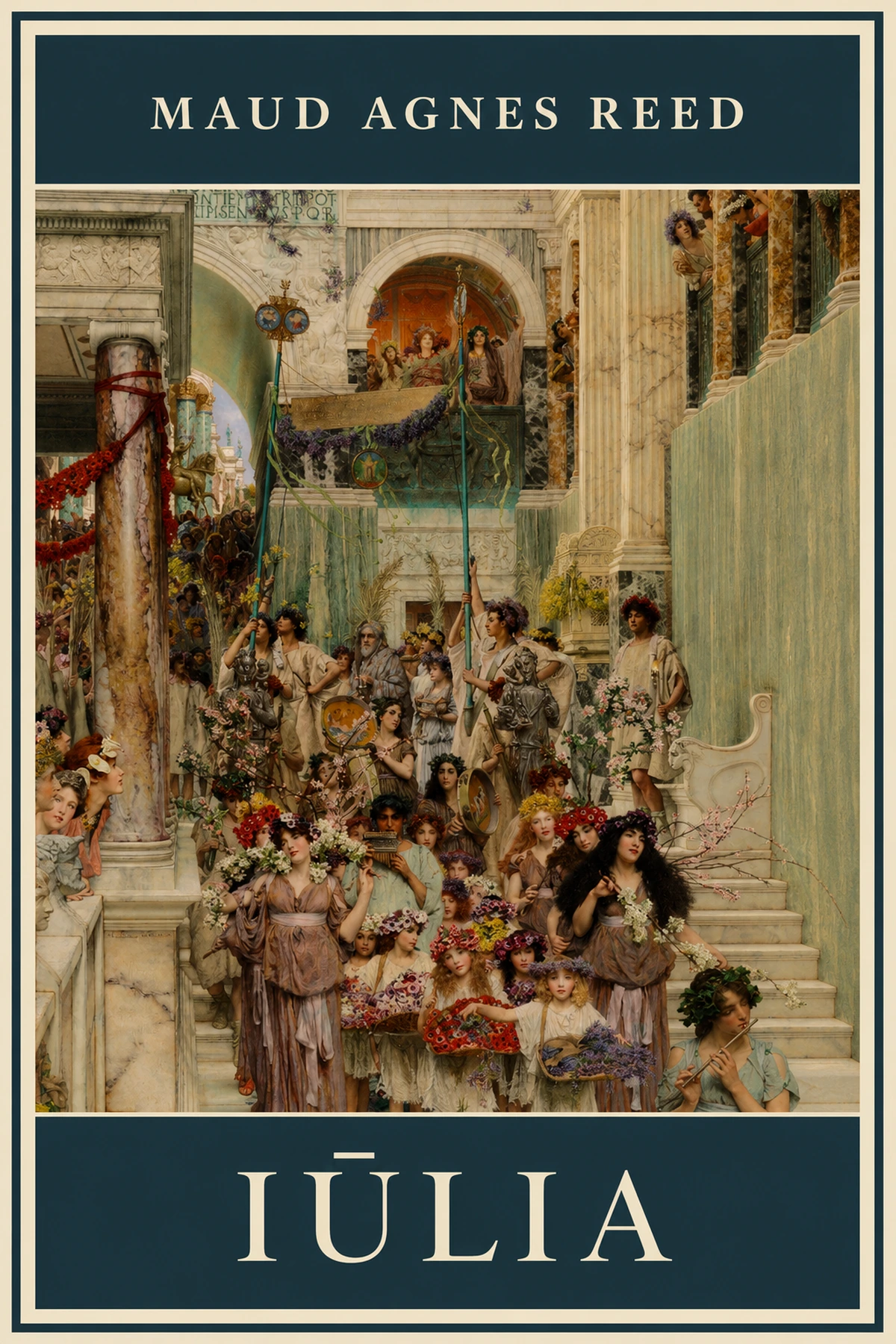
A 52-section graded reader following a British girl's daily life, family stories, and Roman myths and history.
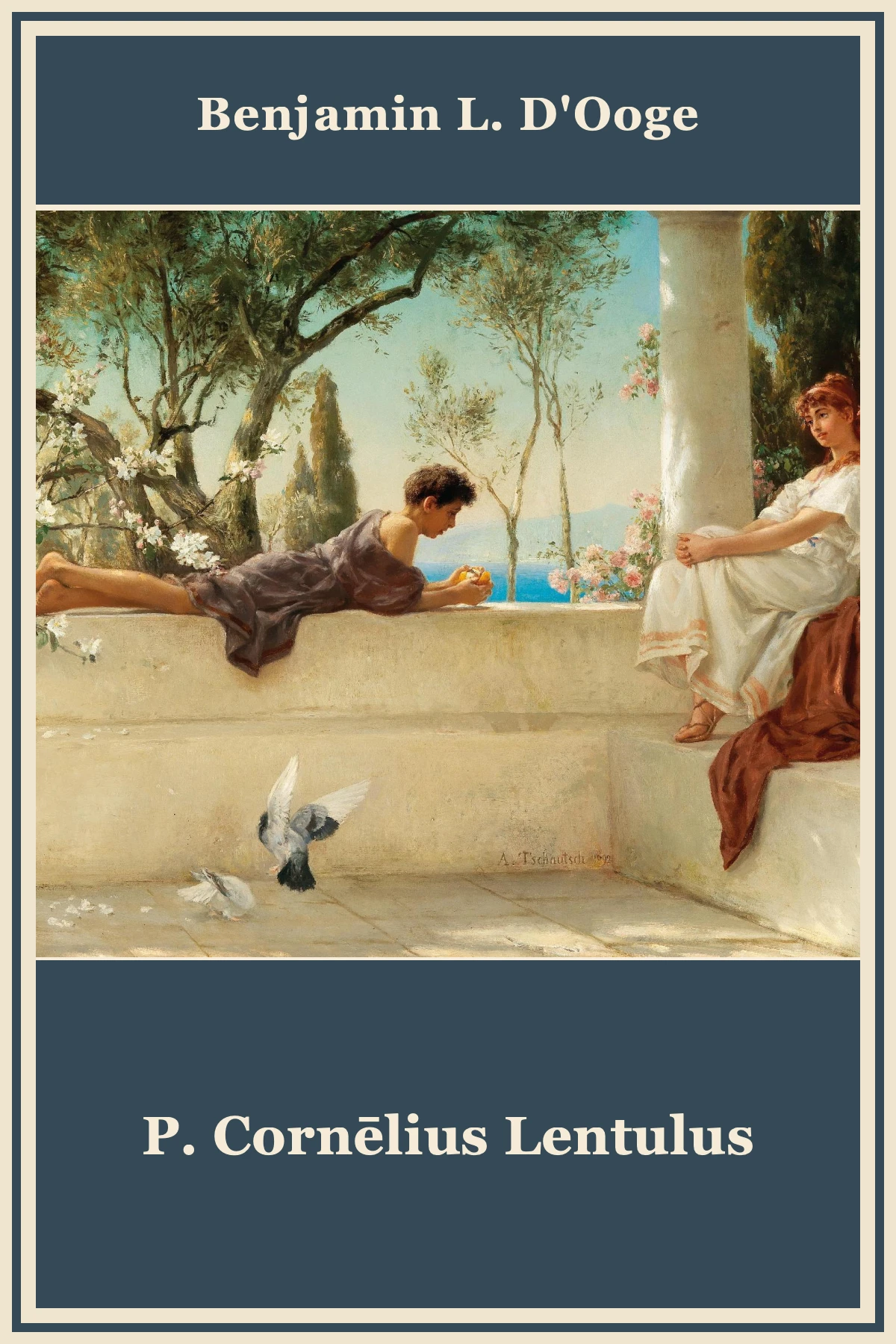
The complete story of a Roman boy, retained for extensive reading and Iter support.
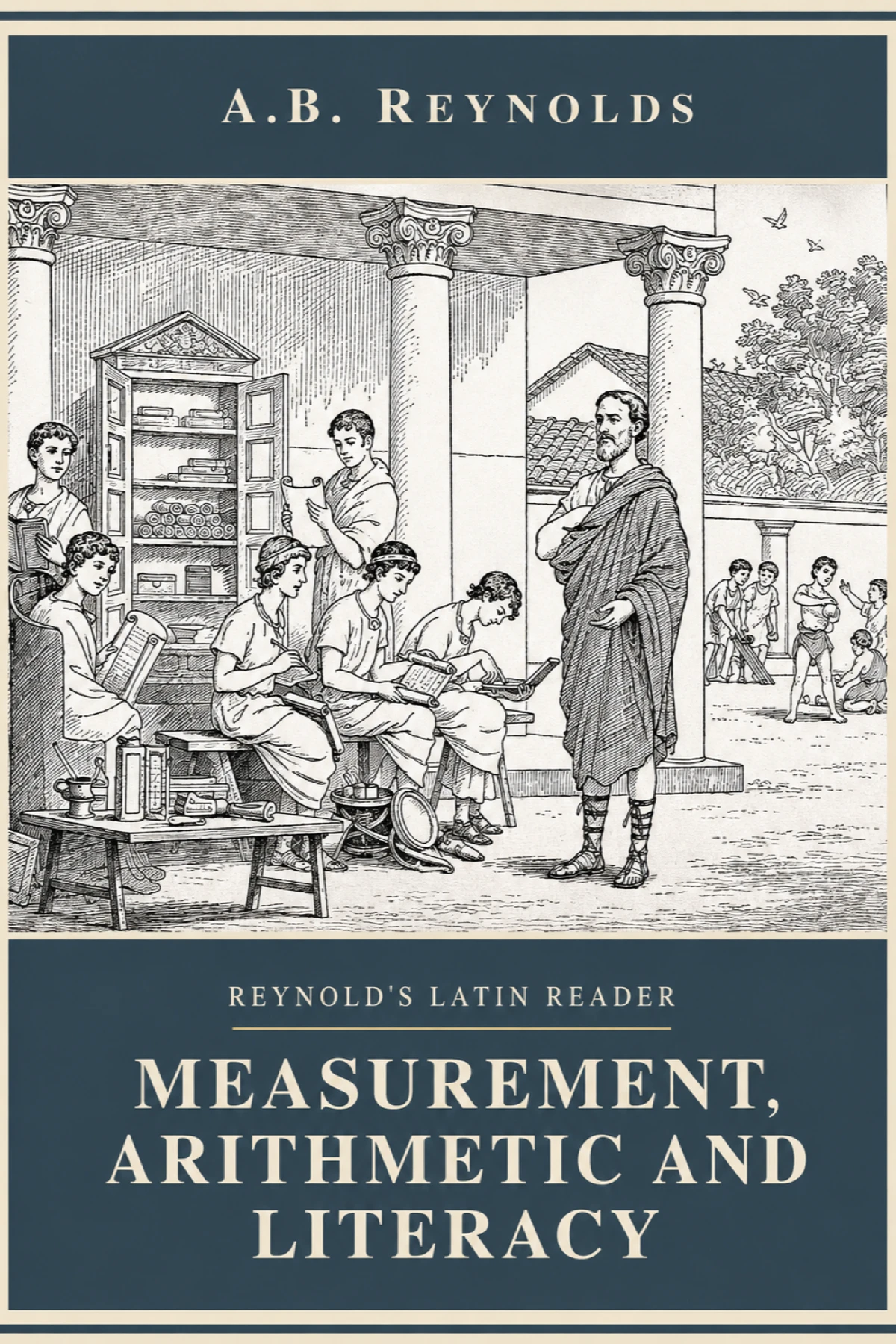
A school-life reader on measurement, gravity, arithmetic, division, reading, and writing.
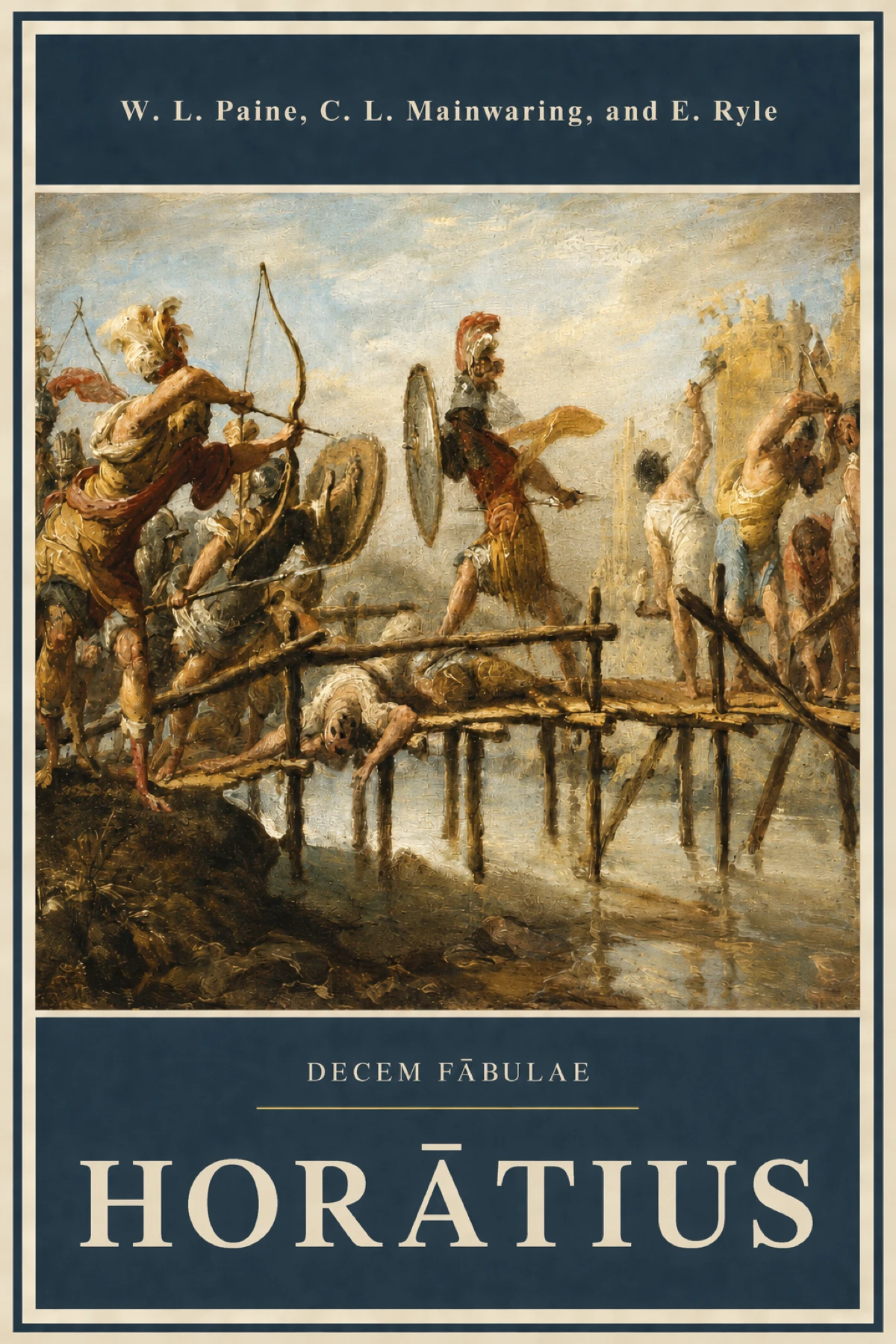
A short play dramatizing Horatius Cocles' defense of the Sublician Bridge against the invading Etruscans.
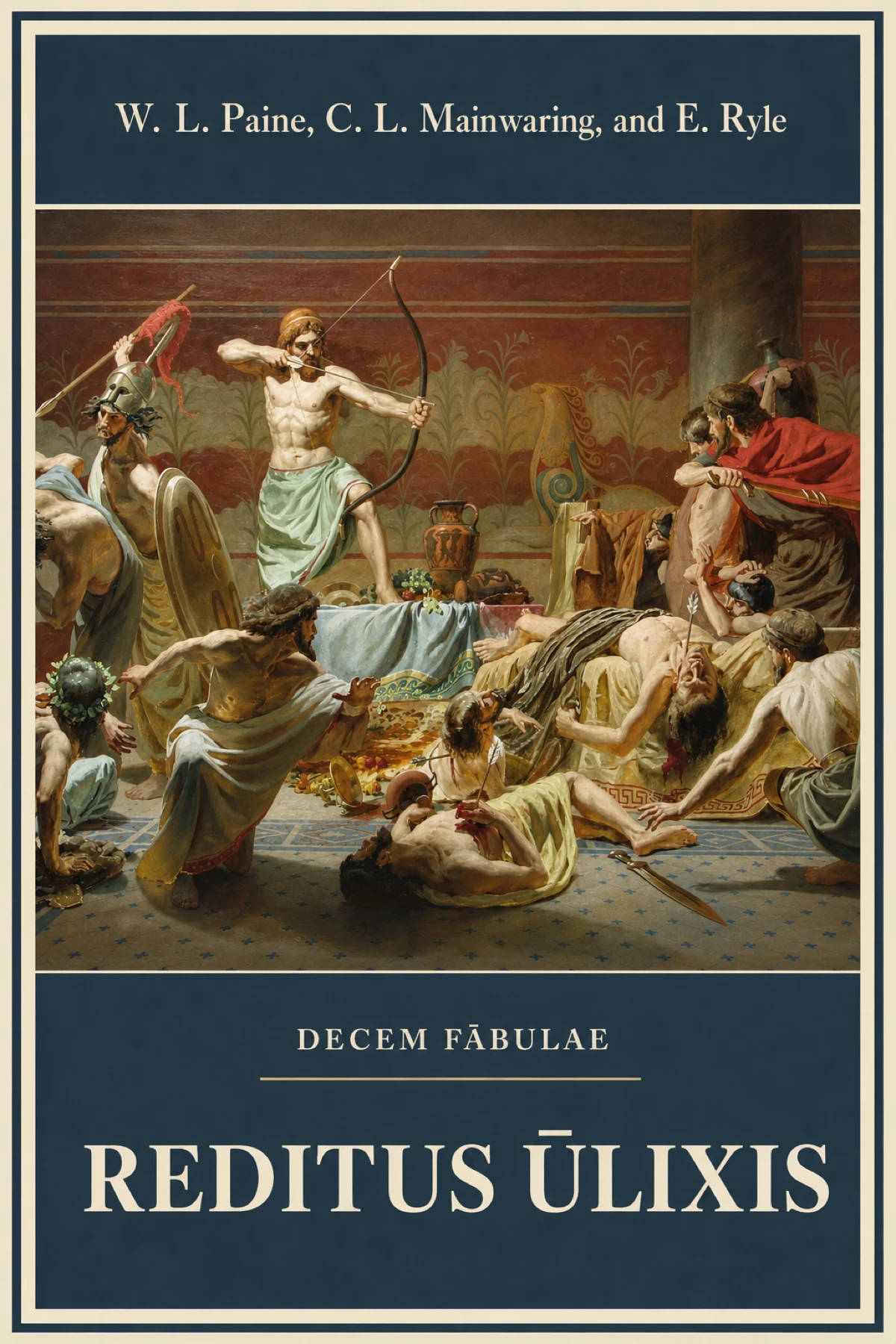
A short play retelling Ulysses' homecoming to Ithaca and his revenge on Penelope's suitors.

A Roman family travels to Italy after service abroad, telling tales of history, mythology, and adventure.
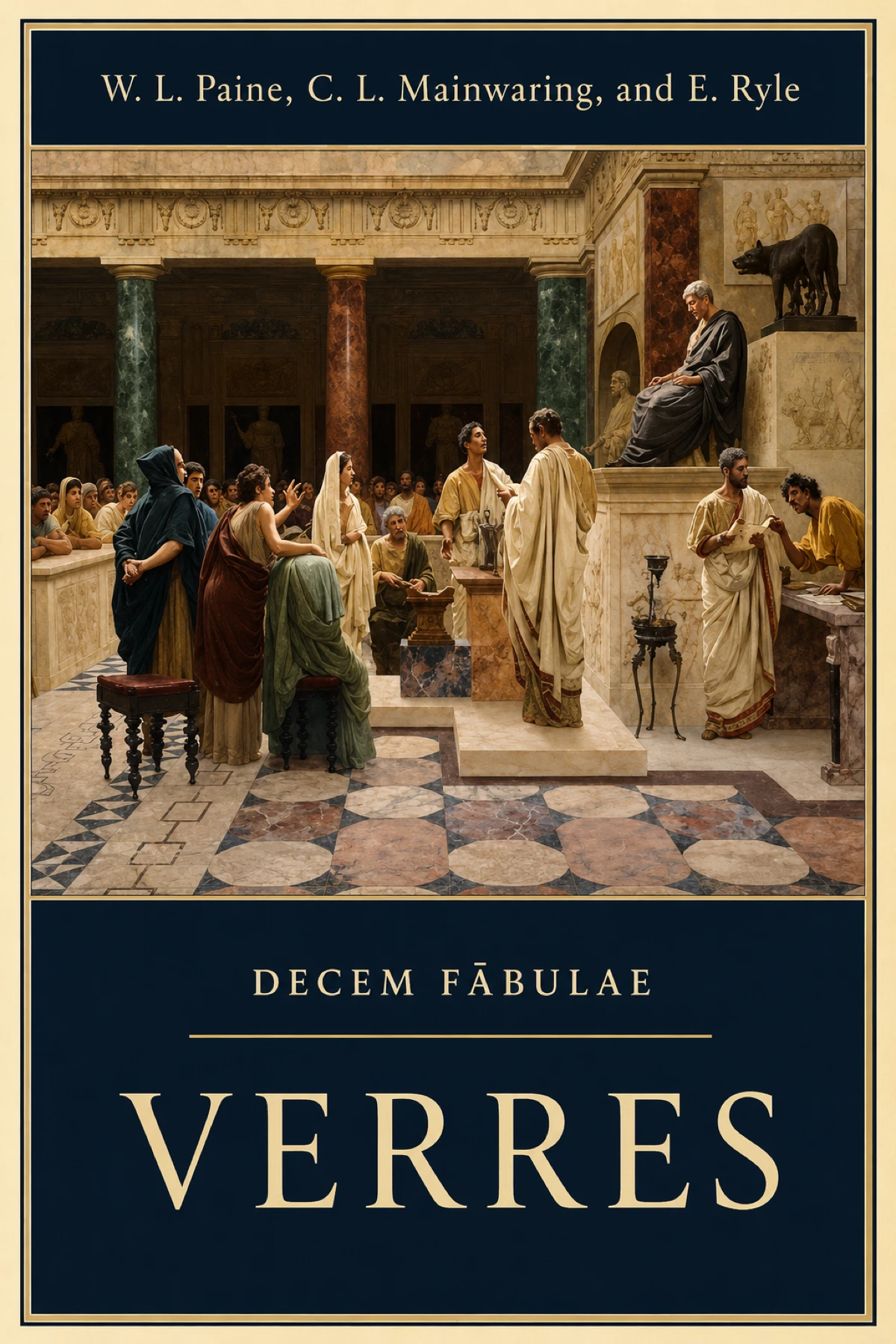
A two-scene play dramatizing the corrupt governor Verrēs's theft of a household's silver and his eventual trial.
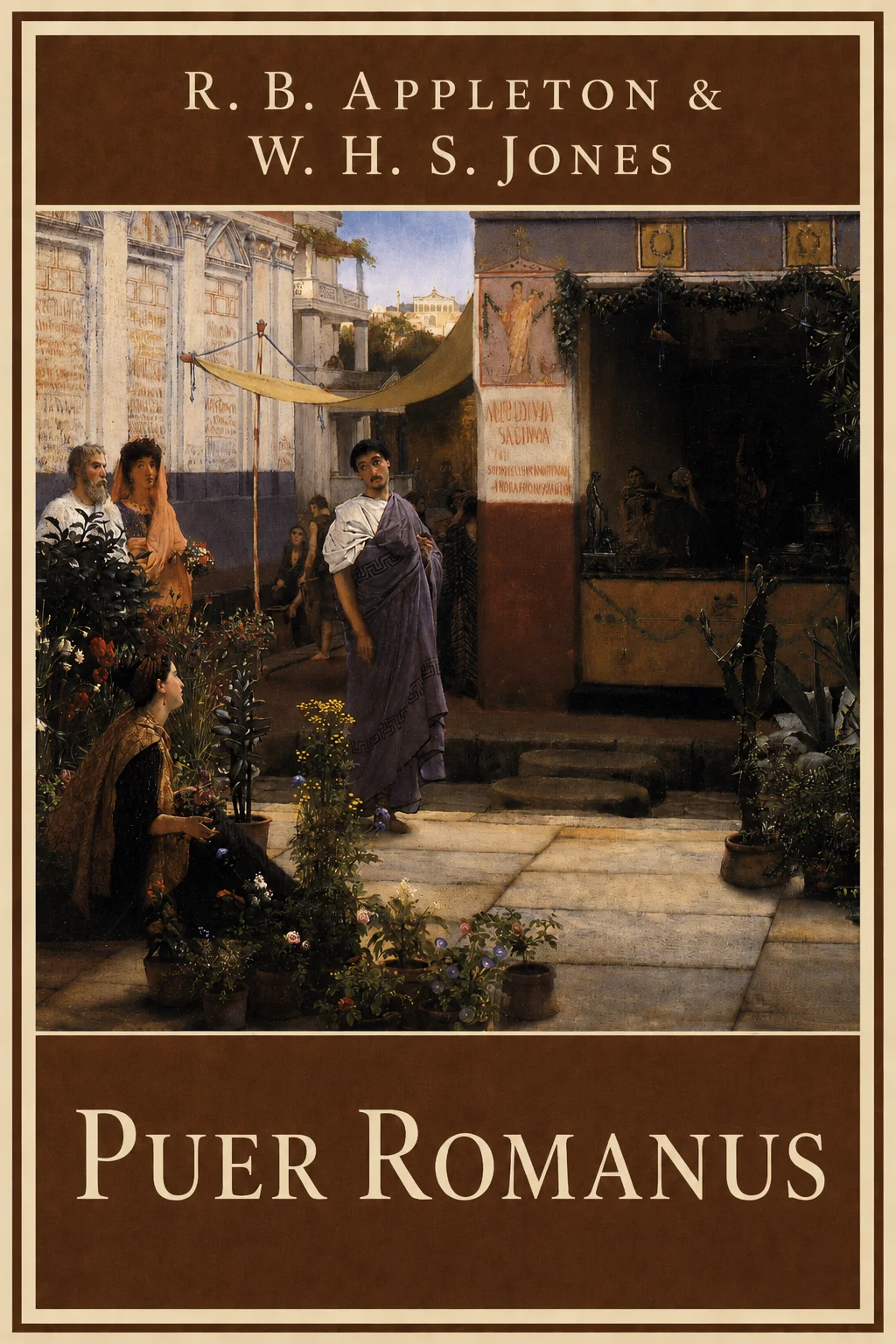
A complete, varied reader of Roman stories, daily life, history, and culture.
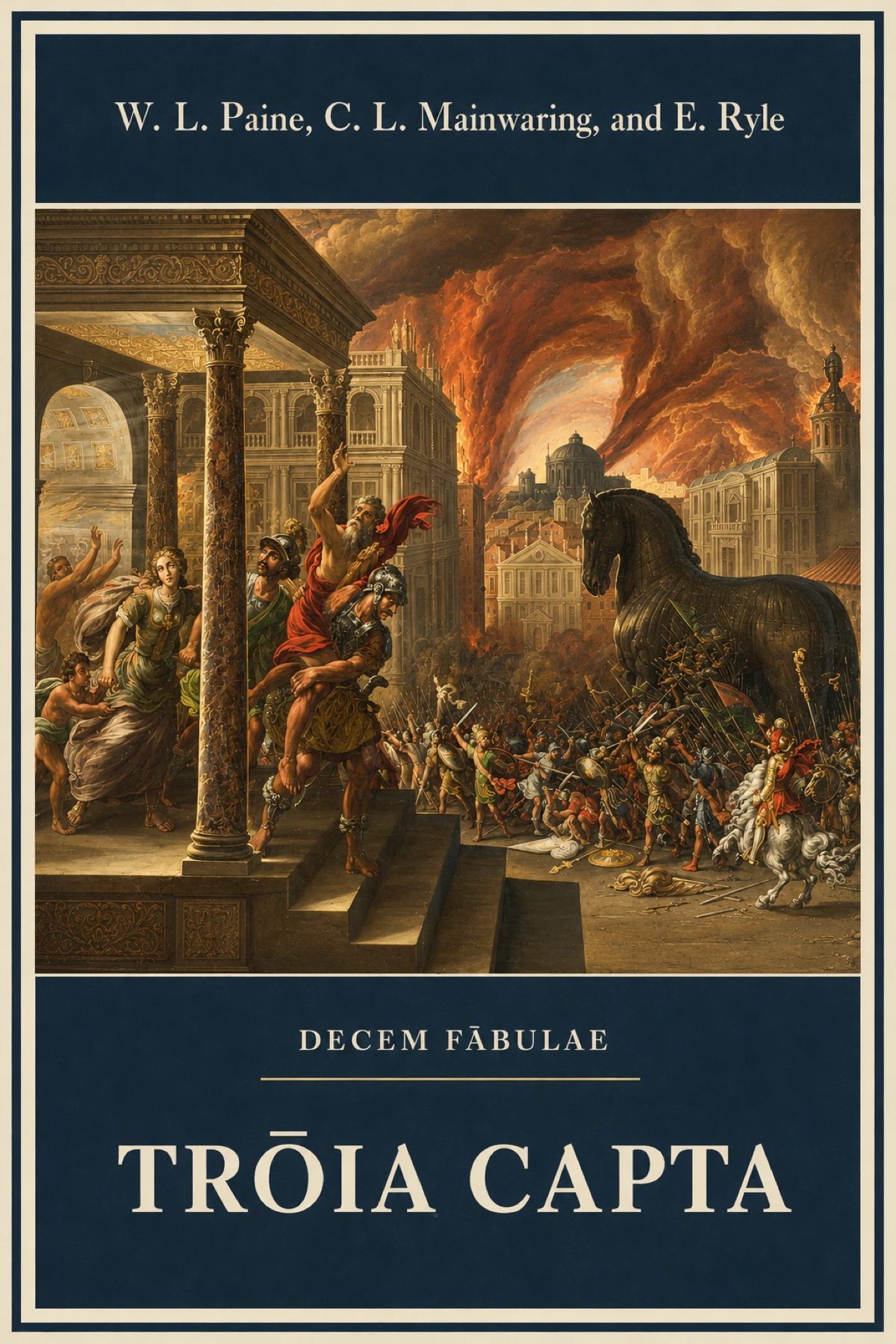
A short play retelling the fall of Troy and the ruse of the wooden horse.
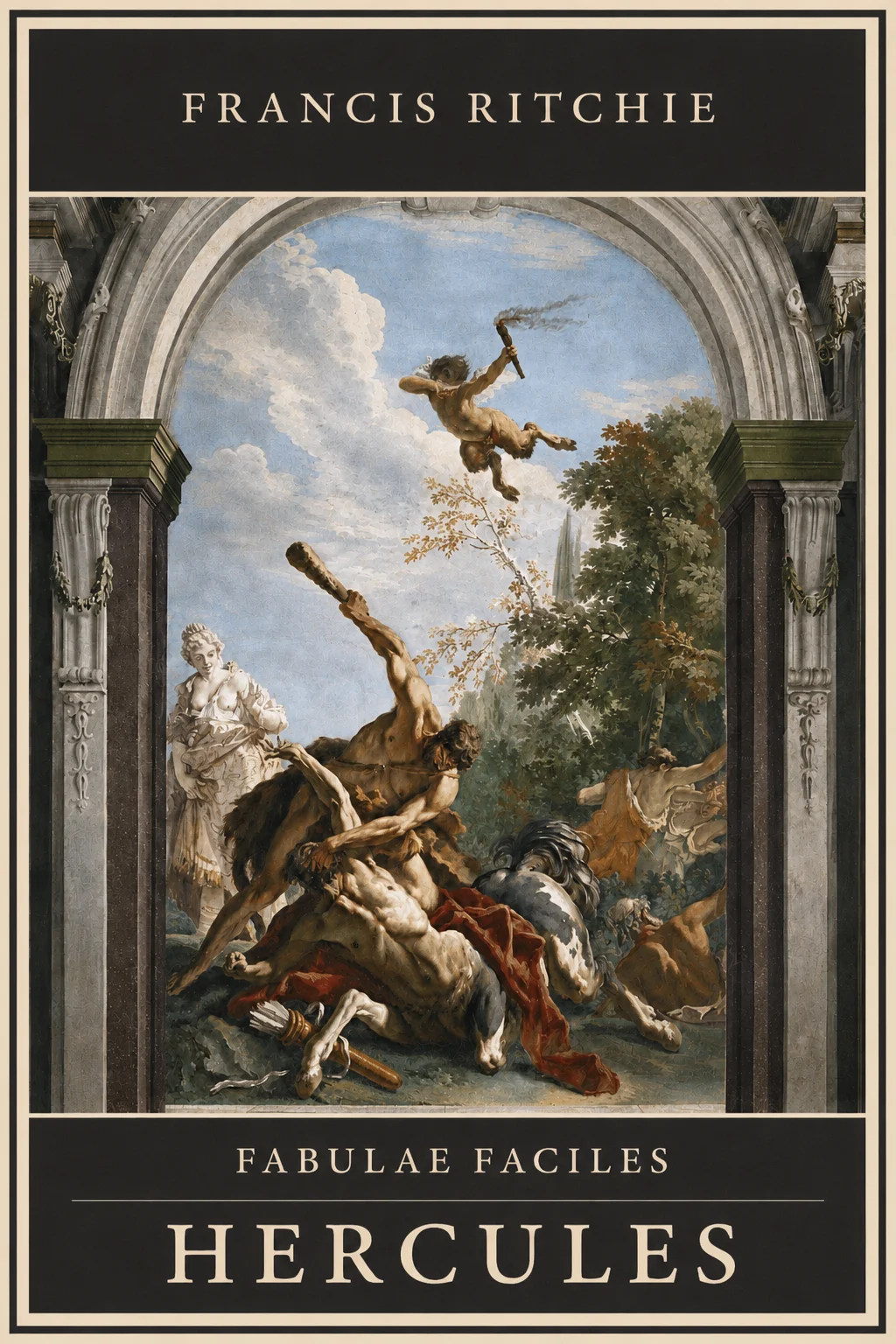
The labors and death of Hercules, the strongest of the heroes, in simplified classical Latin.
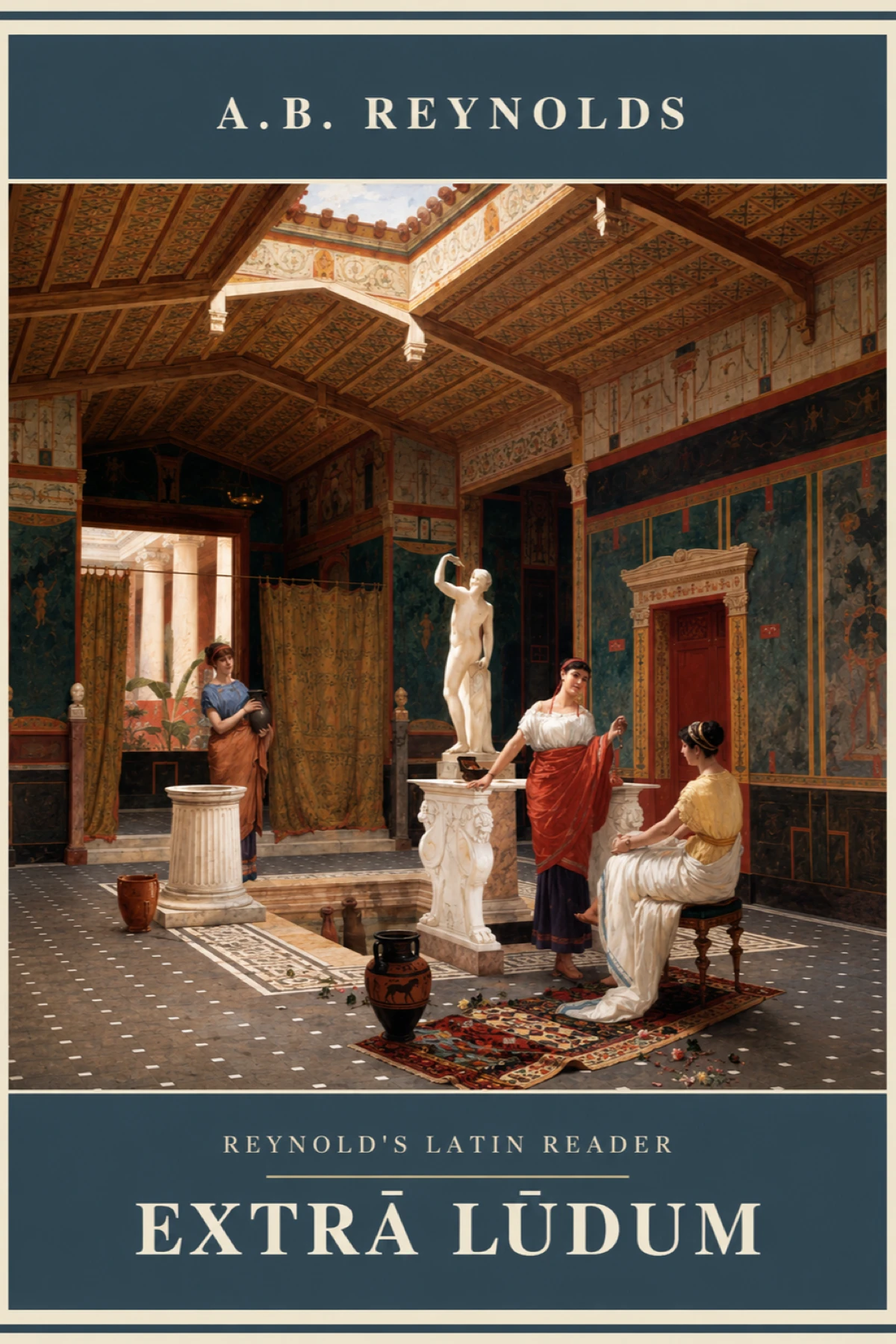
A continuous narrative following two children, at the villa and on a trip to Rome, with every written word separately glossed.
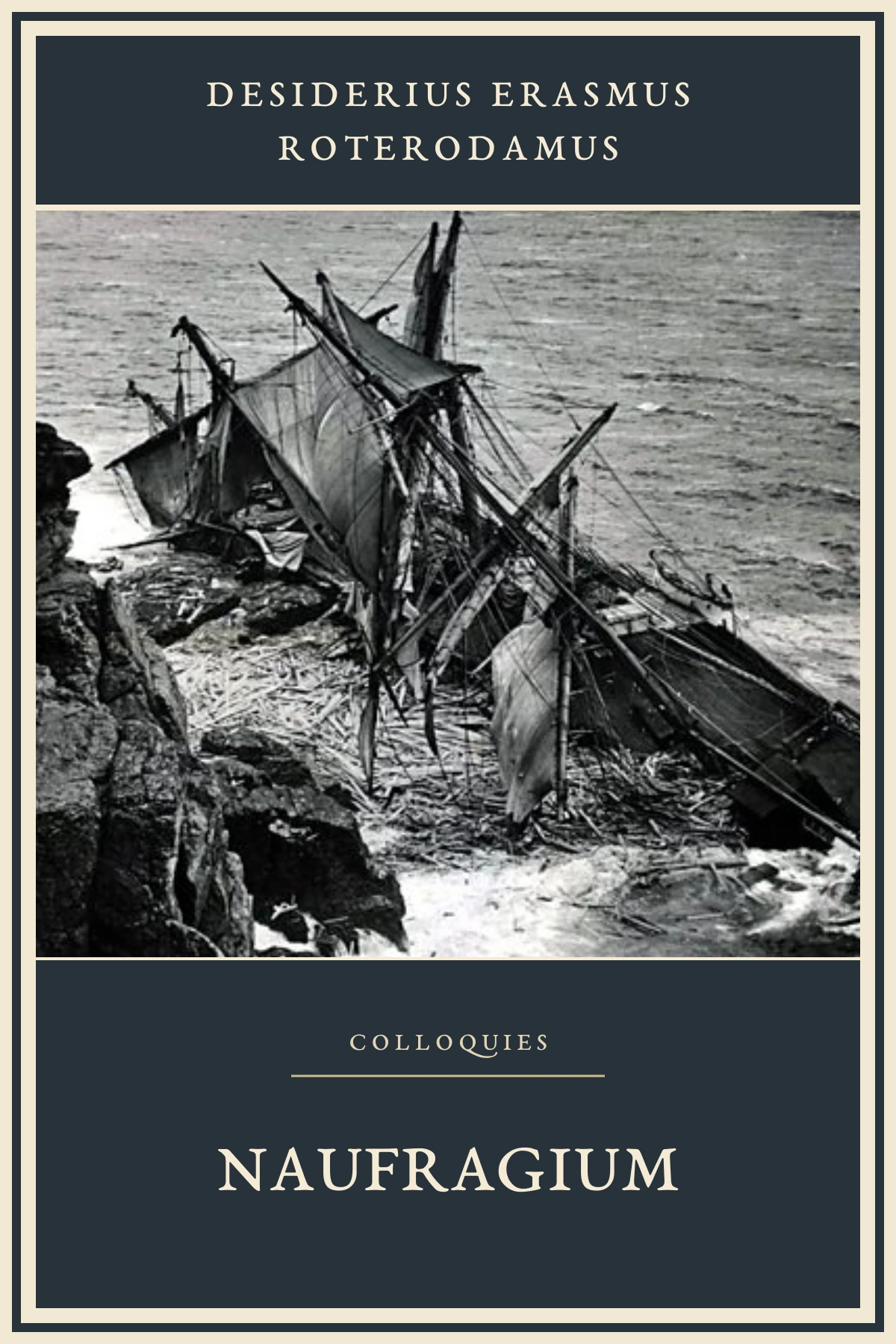
A vivid and darkly comic account of a disastrous sea voyage in which Erasmus turns shipwreck, panic, prayer, and superstition into a sharp examination of how people behave when death seems close.
A compact, fast-moving Latin account of the Trojan War presenting itself as the testimony of a Trojan eyewitness. It retells the story from the causes of the conflict to the betrayal and destruction of Troy.
Two identical twins, separated in childhood and unknowingly reunited in Epidamnus, unleash a whirlwind of mistaken identities, stolen clothes, jealous spouses, and escalating comic chaos in Plautus's Menaechmi.
A 15-chapter graded reader following a Roman boy through daily life, school, travel, and storytelling.
Erasmus turns a conversation about French and German inns into a lively comic satire of travel, hospitality, national character, and the strange customs travelers endure on the road.
A young Athenian's secret love for a woman from Andros collides with his father's marriage plans in Terence's lively comedy of deception, mistaken identity, and family conflict.

The Gospel according to Mark tells the fast-moving story of Jesus's ministry, teachings, miracles, death, and resurrection, presenting him with particular force as the suffering Messiah and Son of God.
A young king driven from home by a murderous secret crosses the Mediterranean through shipwreck, love, loss, separation, and extraordinary reunions in one of antiquity's great surviving adventure romances.
North African Christians stand trial for refusing to swear allegiance to the Roman emperor, clashing with Proconsul Vigellius Saturninus.

A contemporary account of the Second Boer War, from its outbreak through the sieges and final peace.
Eutropius traces the Second Punic War from Hannibal’s invasion of Italy through Rome’s long struggle to Scipio’s decisive victory over Carthage.
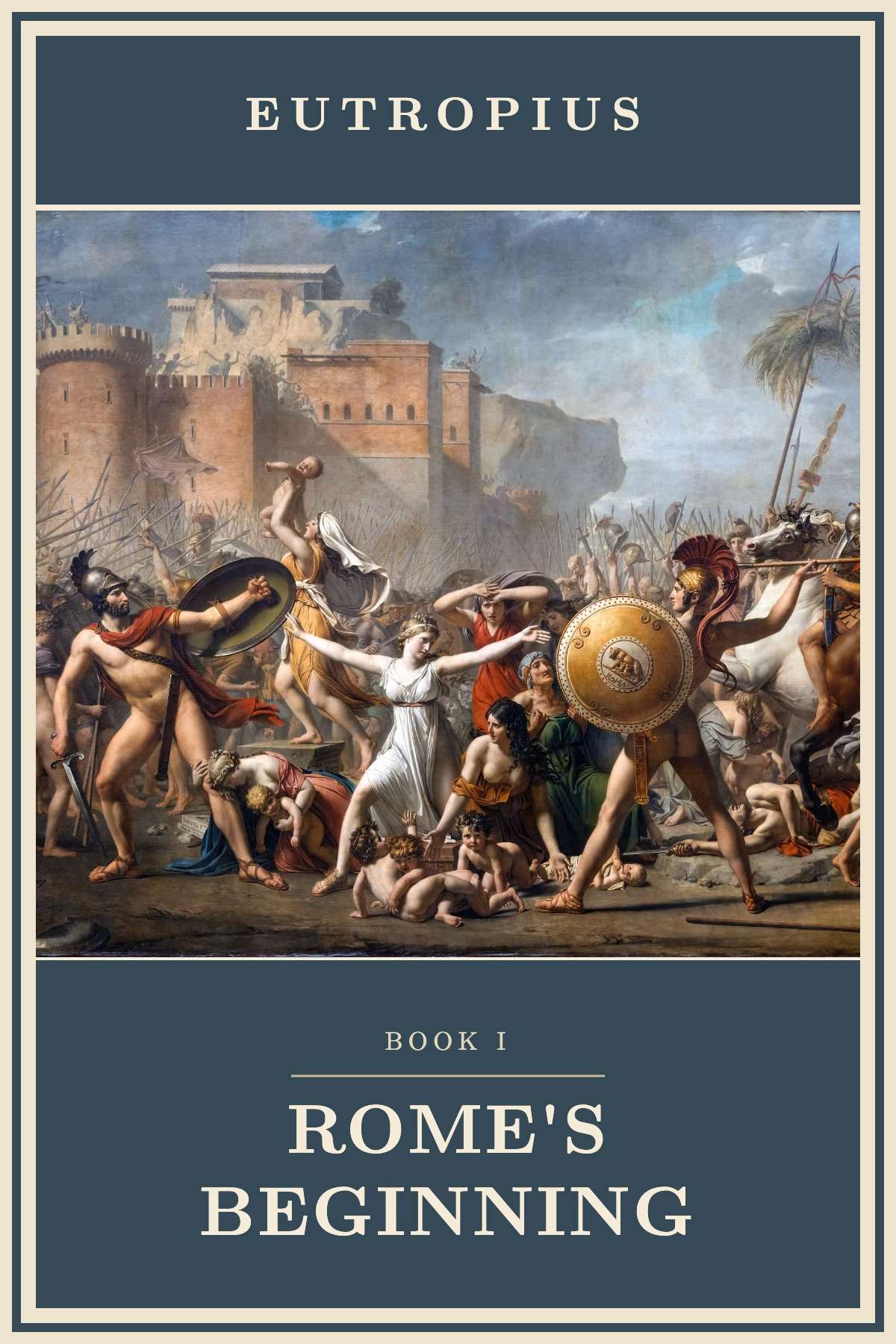
The complete first book: Rome's kings, the birth of the Republic, and its early struggles through Camillus.
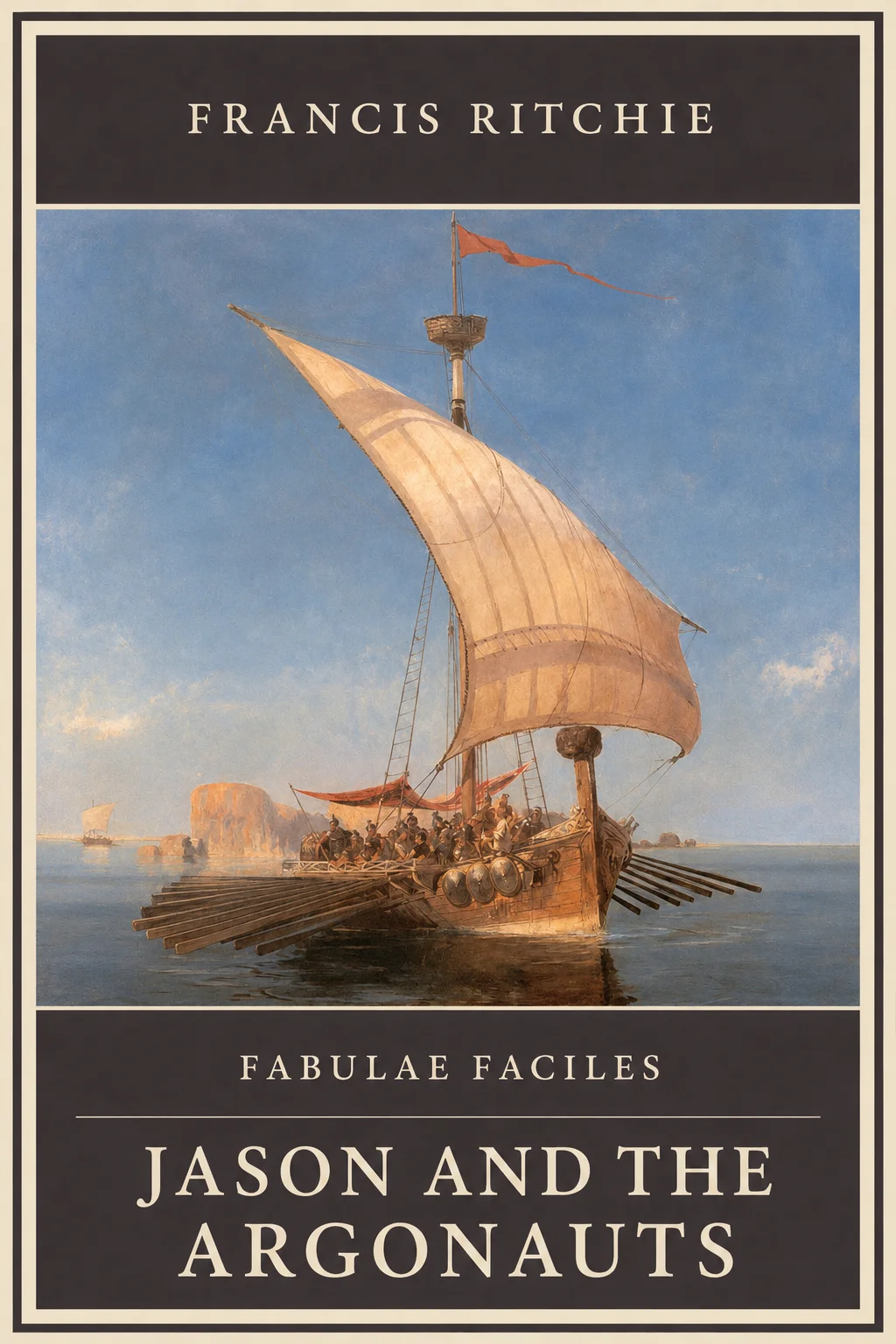
Jason's voyage aboard the Argo in search of the Golden Fleece, in simplified classical Latin.
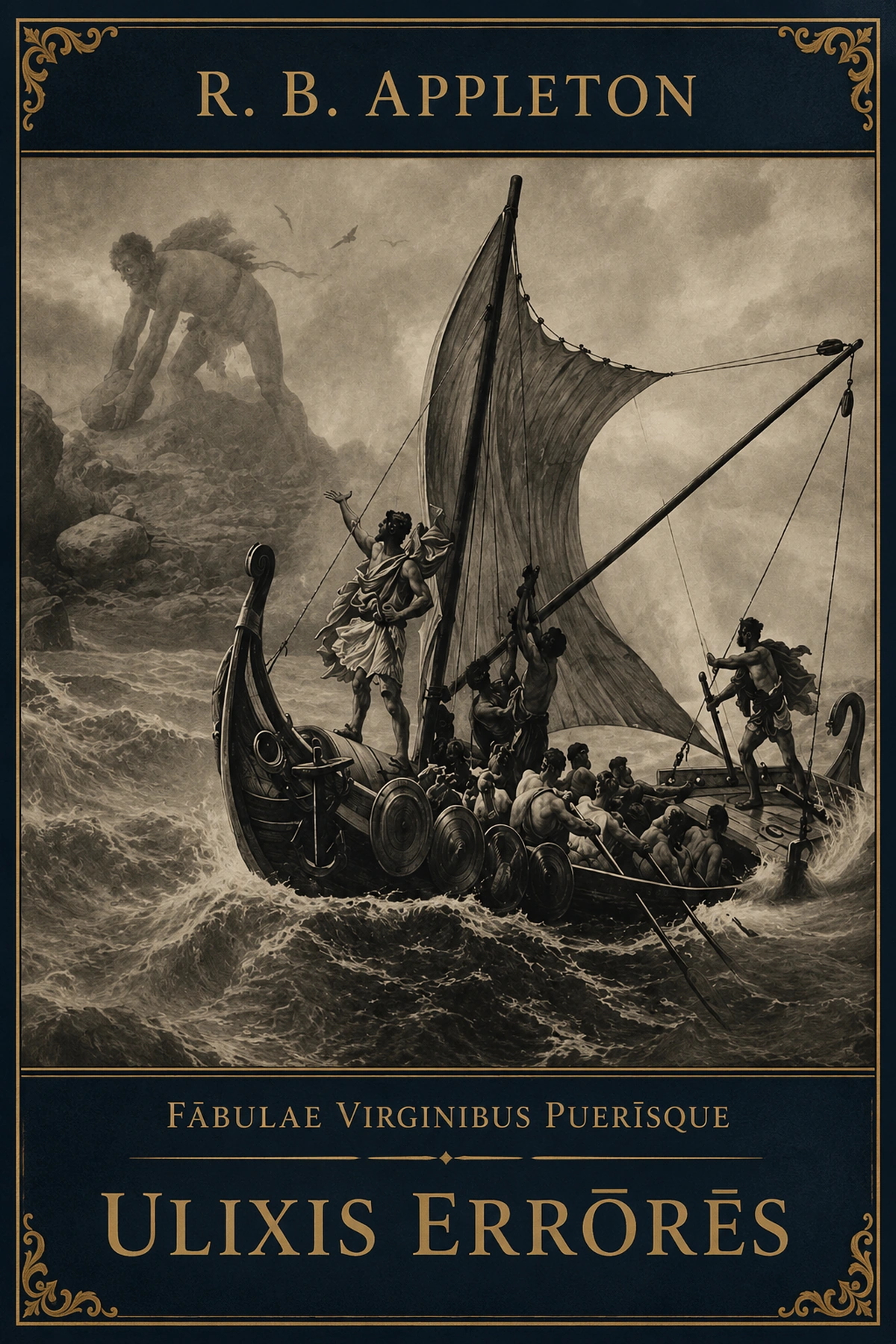
Ulysses recounts his ten years of wandering after the fall of Troy, in seven short episodes.
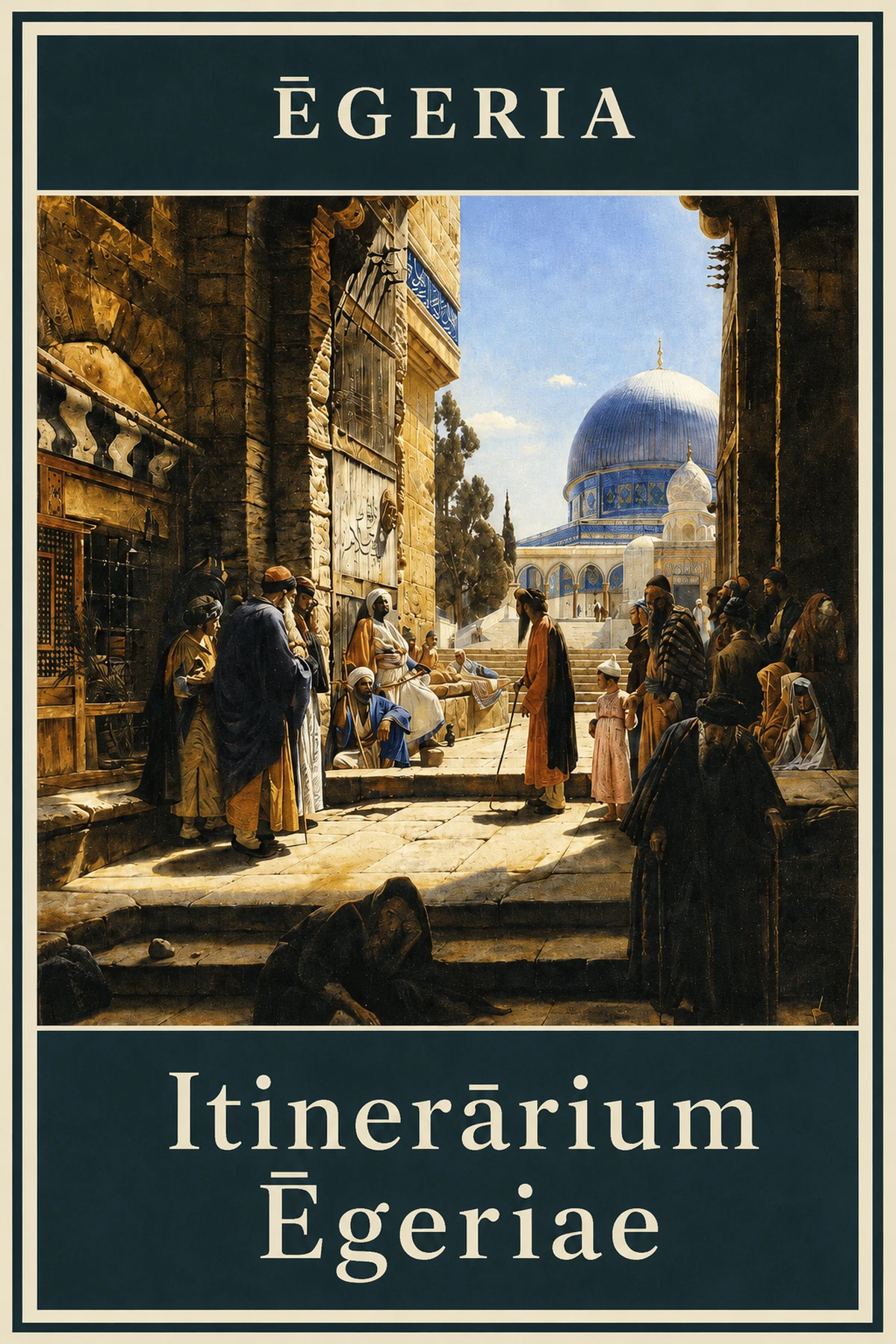
A late-antique nun's eyewitness account of her pilgrimage through the Holy Land, Egypt, and Asia Minor, with every written word separately glossed.
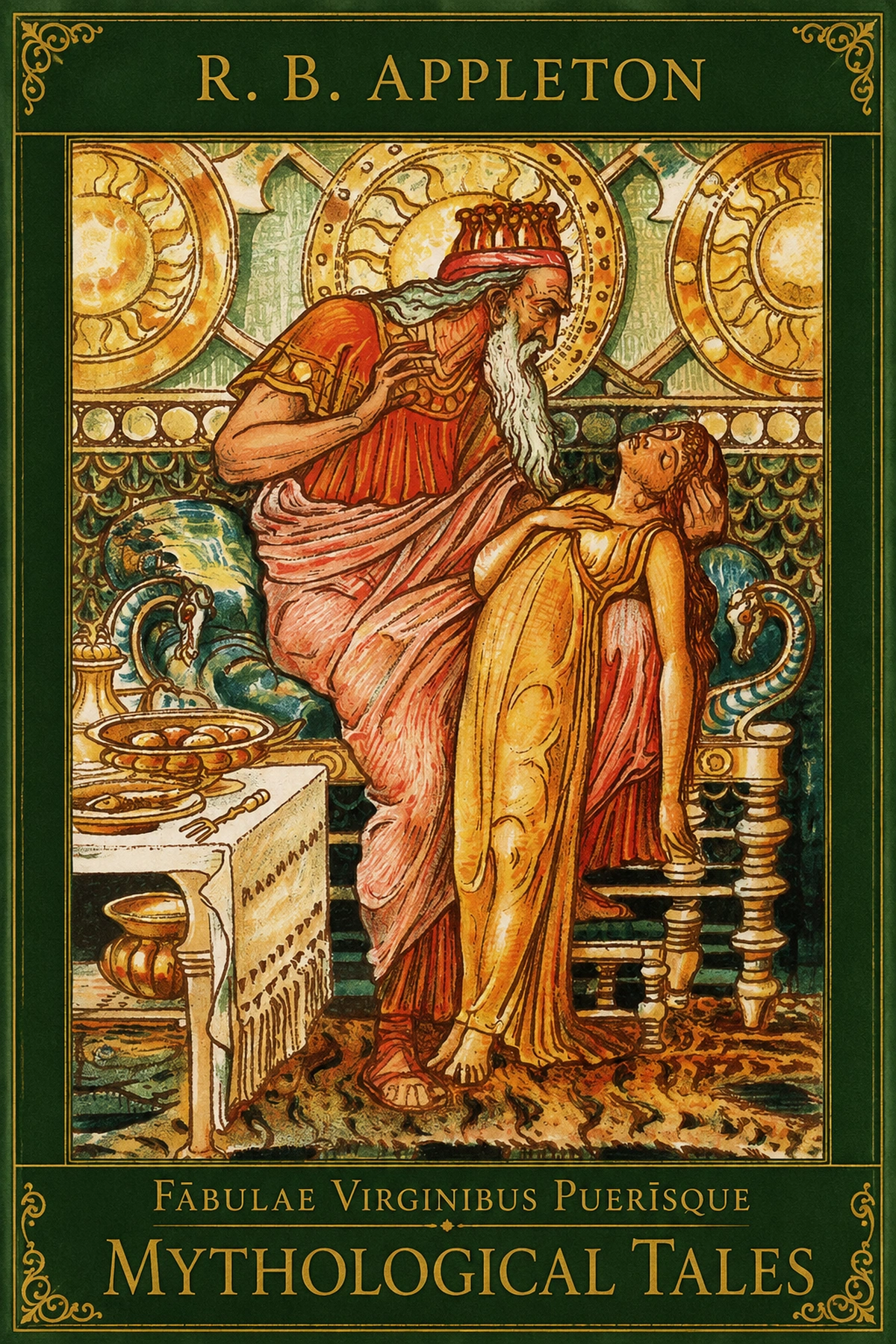
Twenty short myths of gods, heroes, and mortals: divine punishment and favor, invention, contests, and monsters.
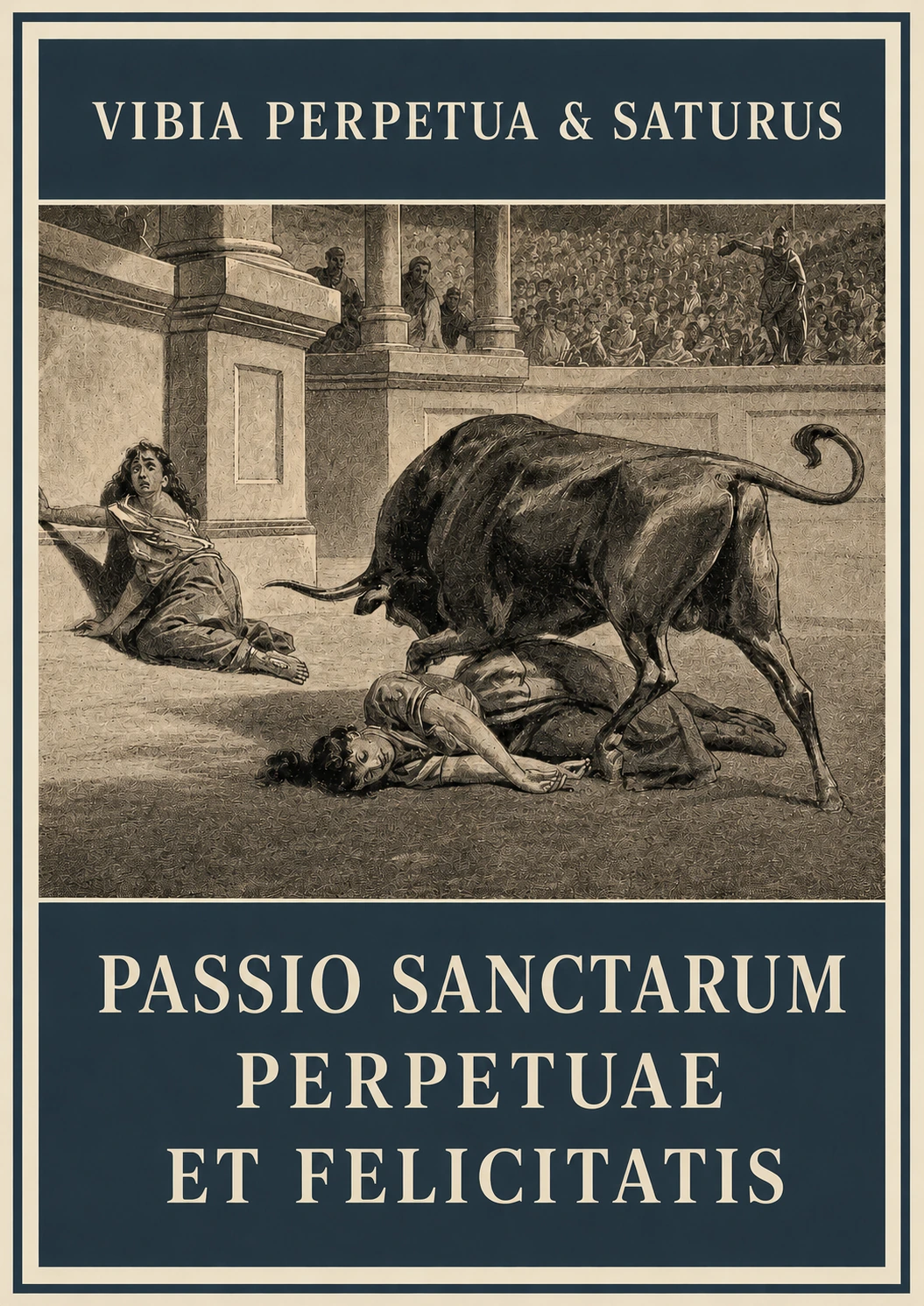
A young Christian mother faces imprisonment, family pressure, terrifying visions, and death in the arena rather than deny her faith in one of the earliest and most moving accounts of Christian martyrdom.
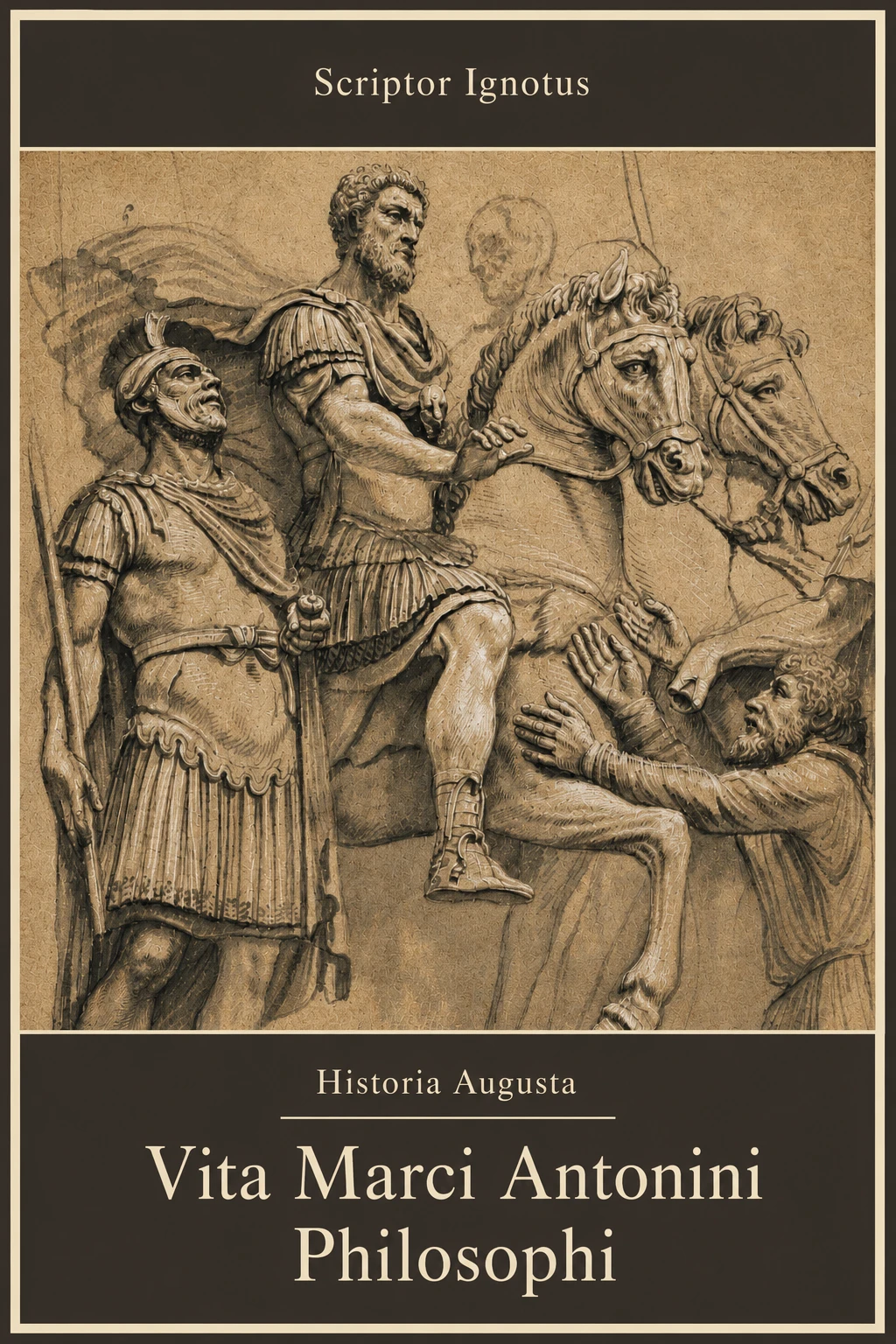
The life of Marcus Aurelius—emperor, Stoic philosopher, and author of the Meditations—as told in one of the more historically valuable chronicles of his life and reign.
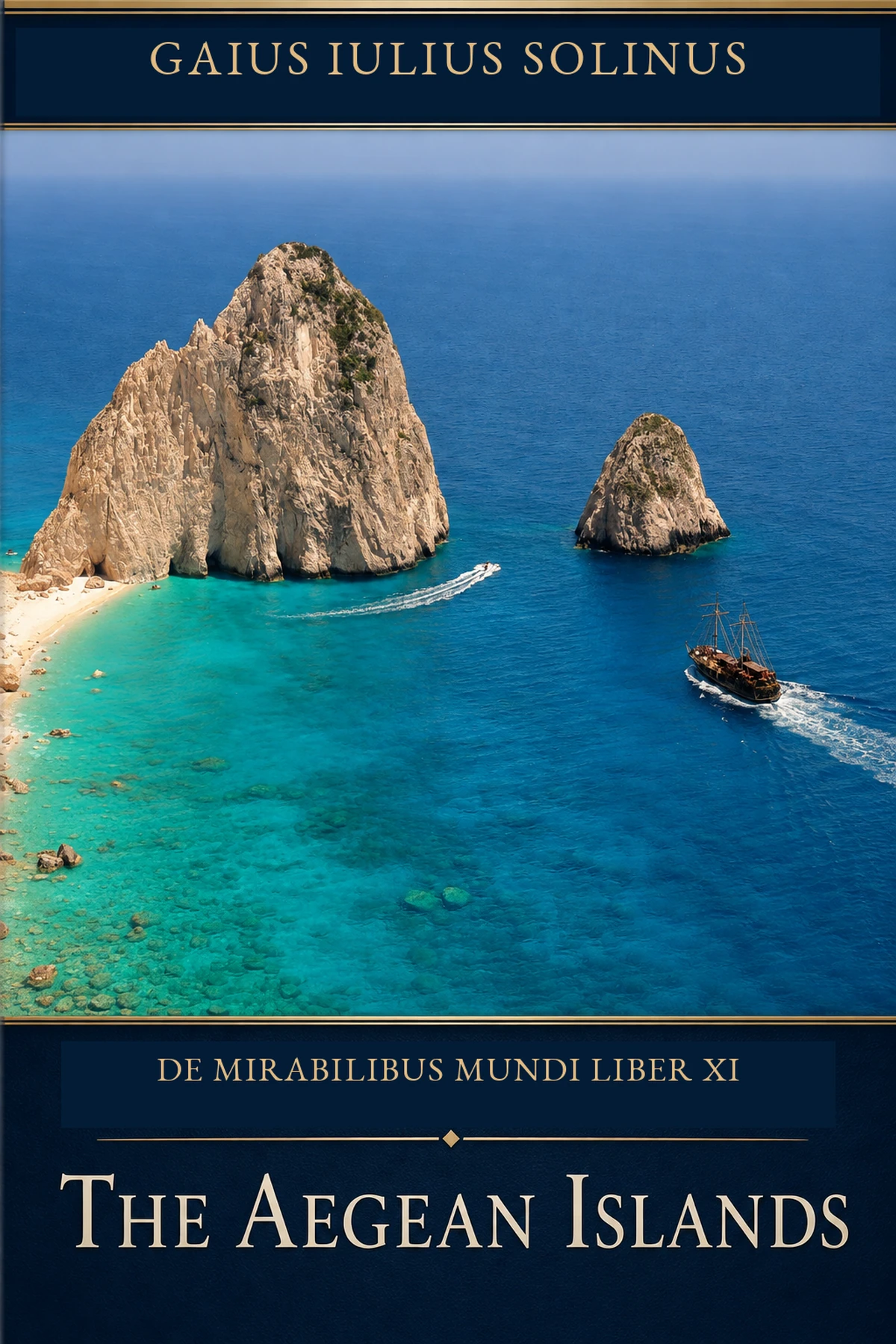
Sail with Solinus from Crete through the Cyclades and Sporades, where islands, myths, strange animals, ancient inventions, and natural wonders turn the Aegean into a Roman cabinet of curiosities.
The wanderings of Ulysses on his long journey home from Troy, in simplified classical Latin.

A strange and darkly comic Arthurian tale in which King Arthur’s search for the secrets of women leads him to a werewolf king, betrayal, bloody revenge, and one of medieval Latin literature’s most memorable supernatural stories.
The dramatic story of Saint Malchus, a Syrian monk whose enslavement, forced marriage, escape, and providential deliverance become a compact lesson in monastic fidelity.
Seventeen short stories of the Trojan War and its heroes: prophecy, deception, loyalty, and tragic love.
Solinus carries the reader south past the Garamantes into Ethiopia and Libya, a land of salt houses, long-lived peoples, dragons, giraffes, and marvels at the edge of the known world.
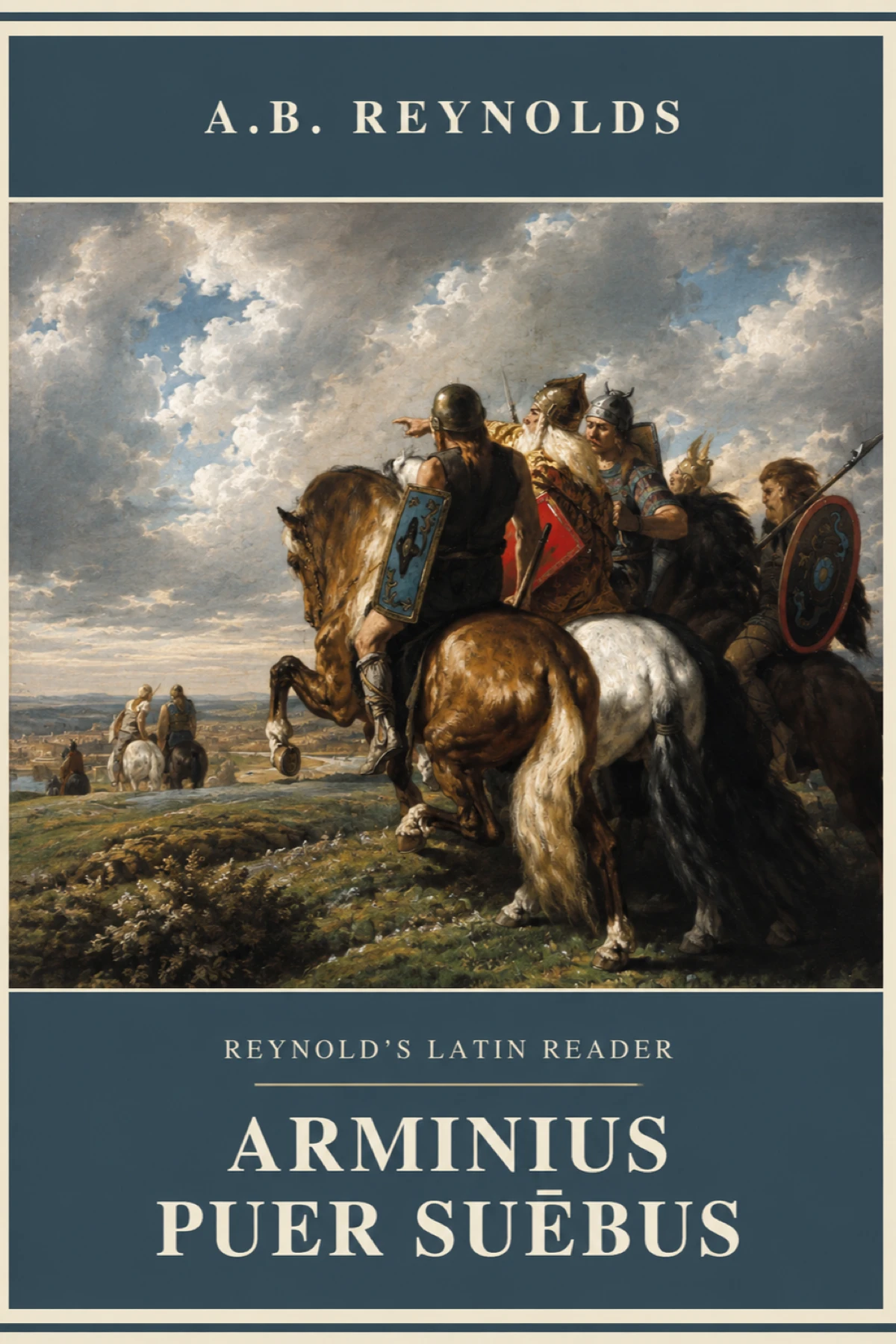
A continuous novella following Arminius, a boy of the Suebi, amid Rome's dealings with the Germanic tribes.
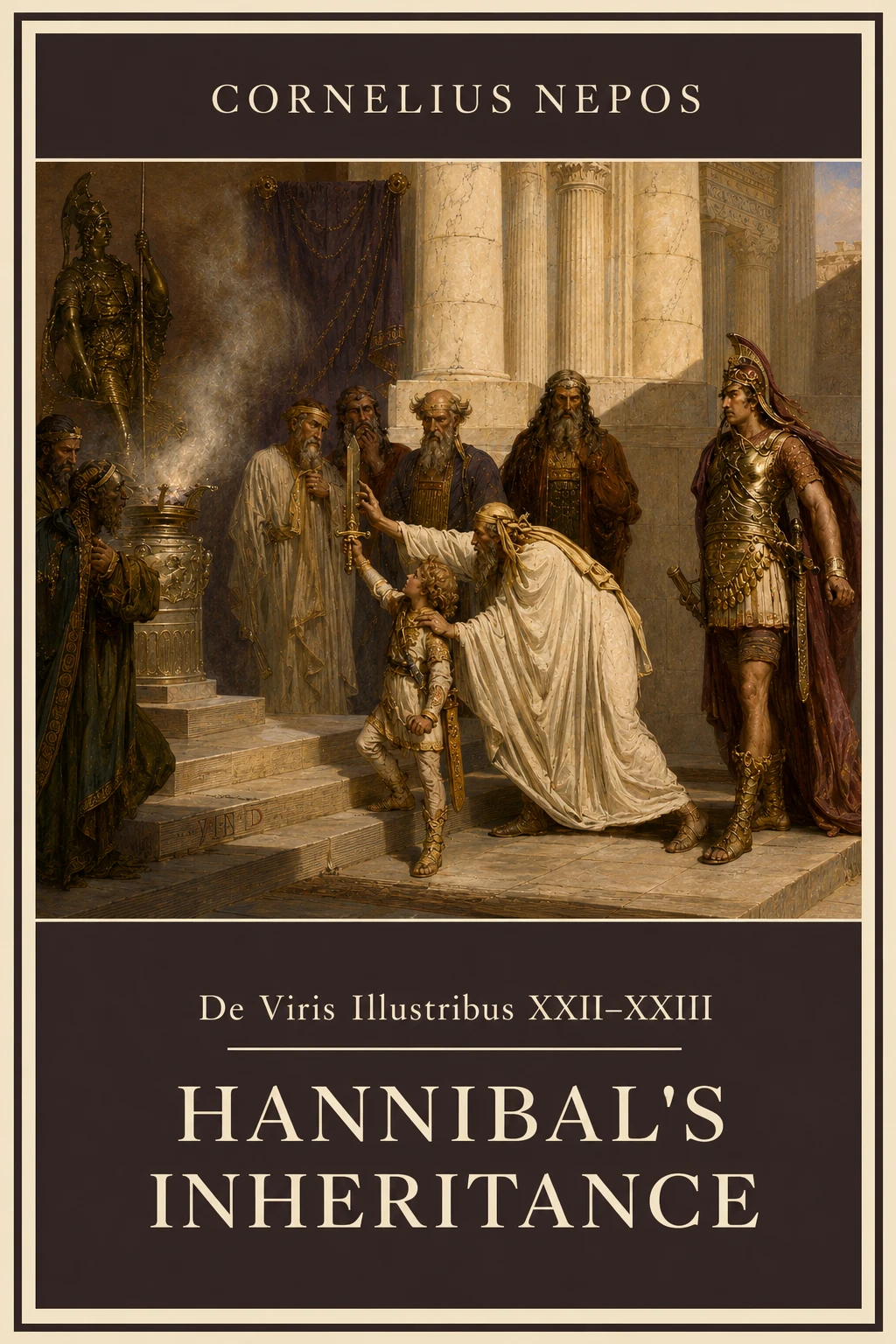
Hamilcar passes his hatred of Rome to his son Hannibal, who carries that inheritance into a lifetime of war against the Roman Republic.
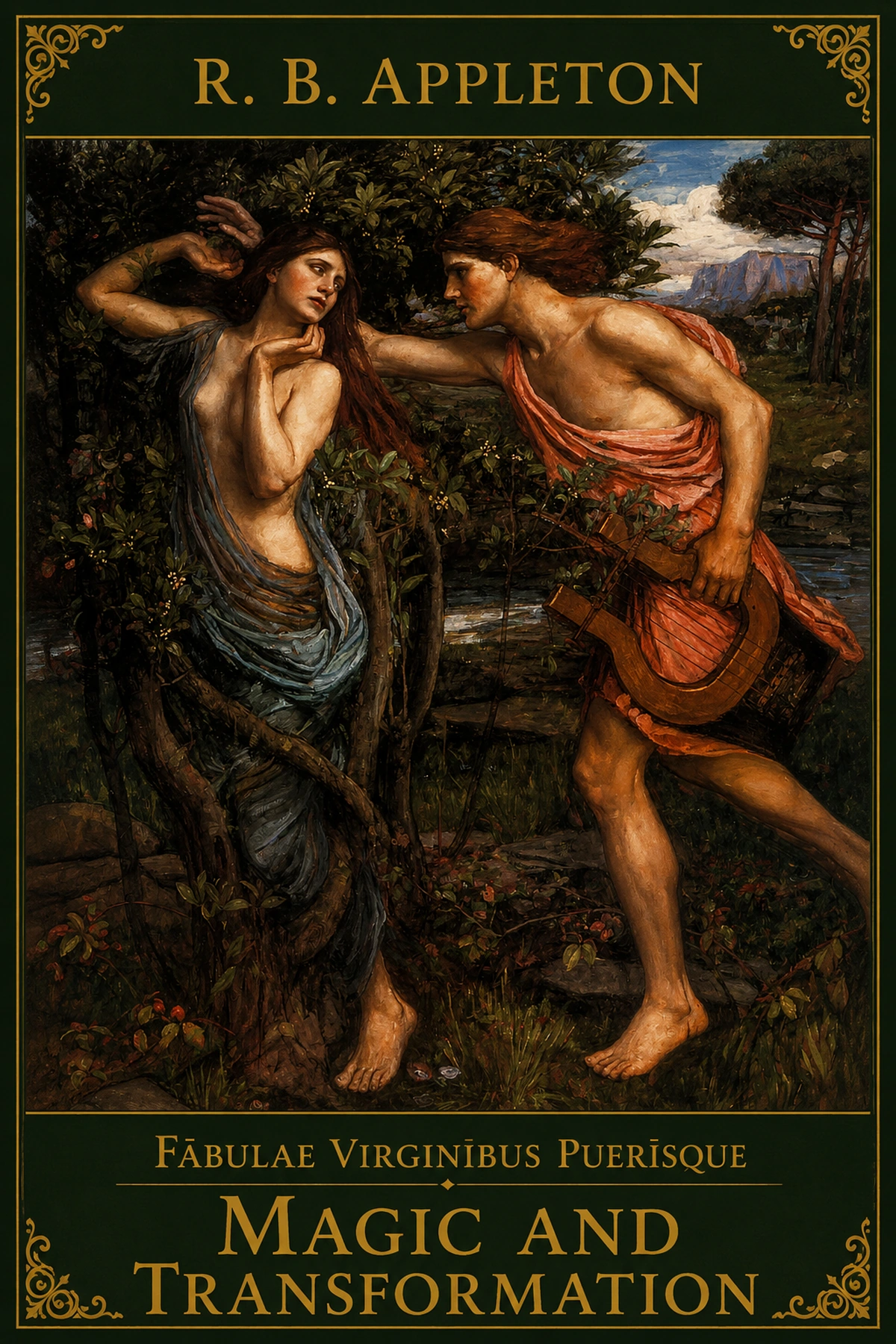
Ten short stories of prophecy, magical herbs, resurrection, and metamorphosis.
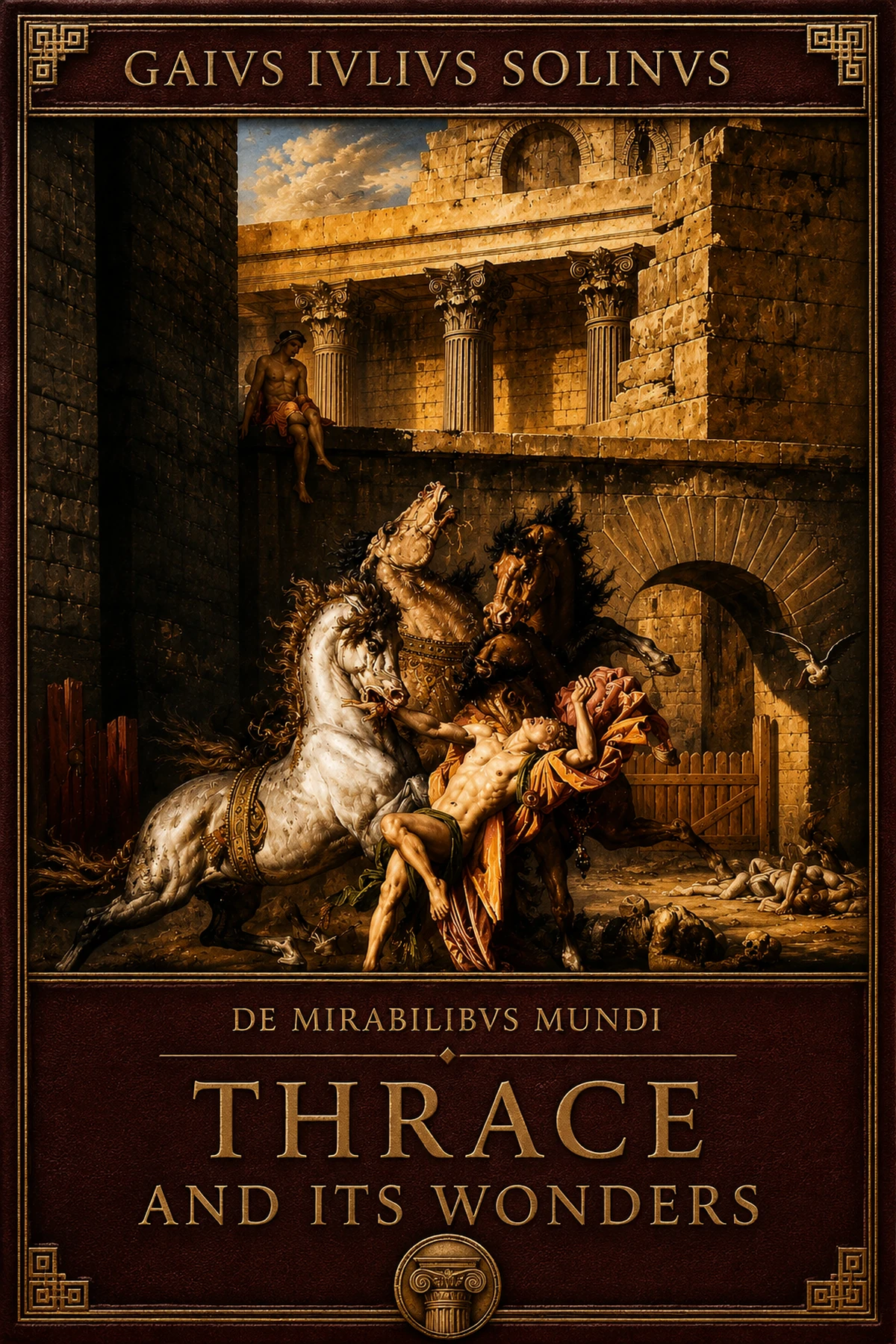
Solinus turns north from the Aegean to Thrace, gathering its peoples, wonders, and natural marvels into another chapter of his Roman tour of the known world.
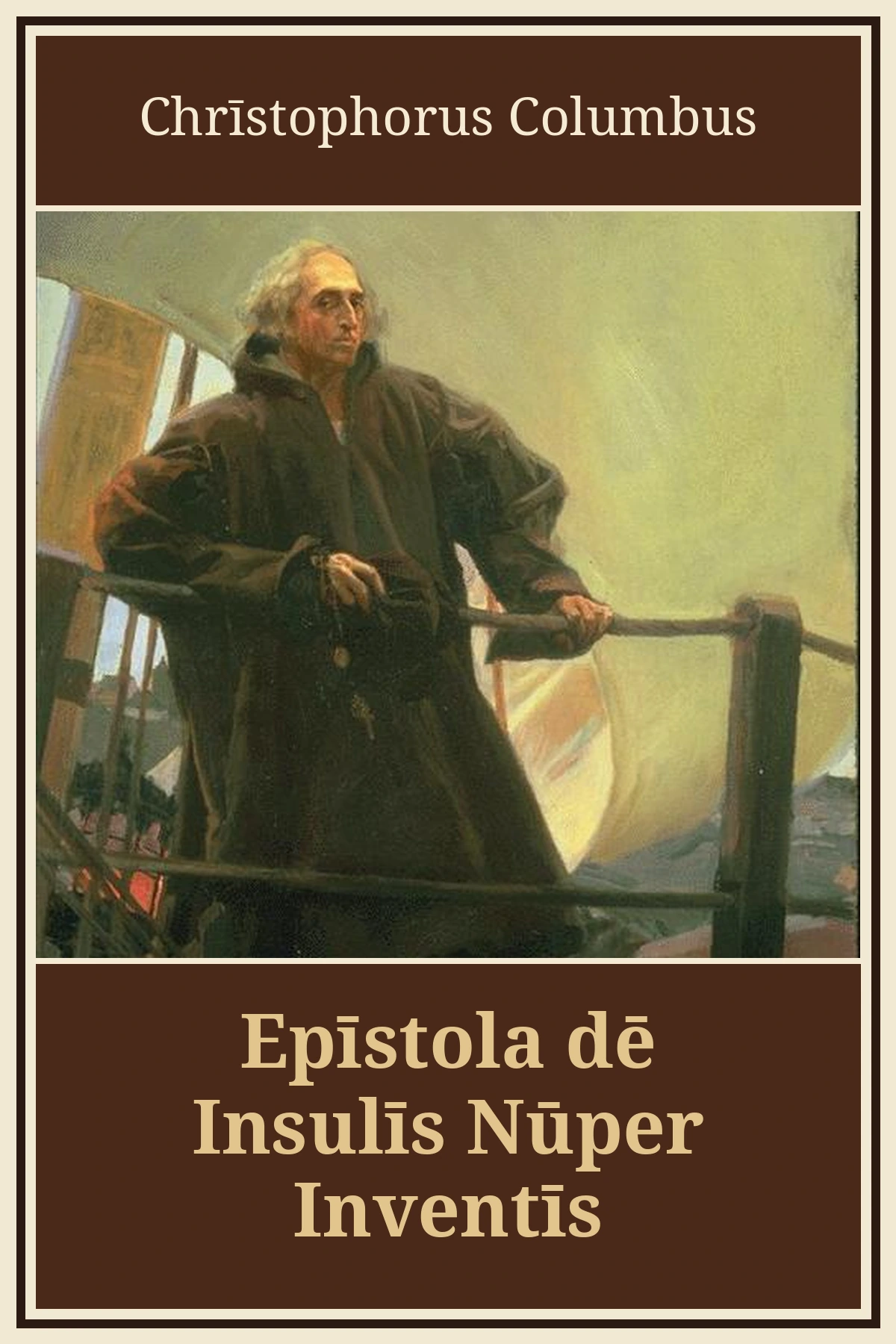
Columbus's Latin letter announcing the islands encountered during his first Atlantic voyage.
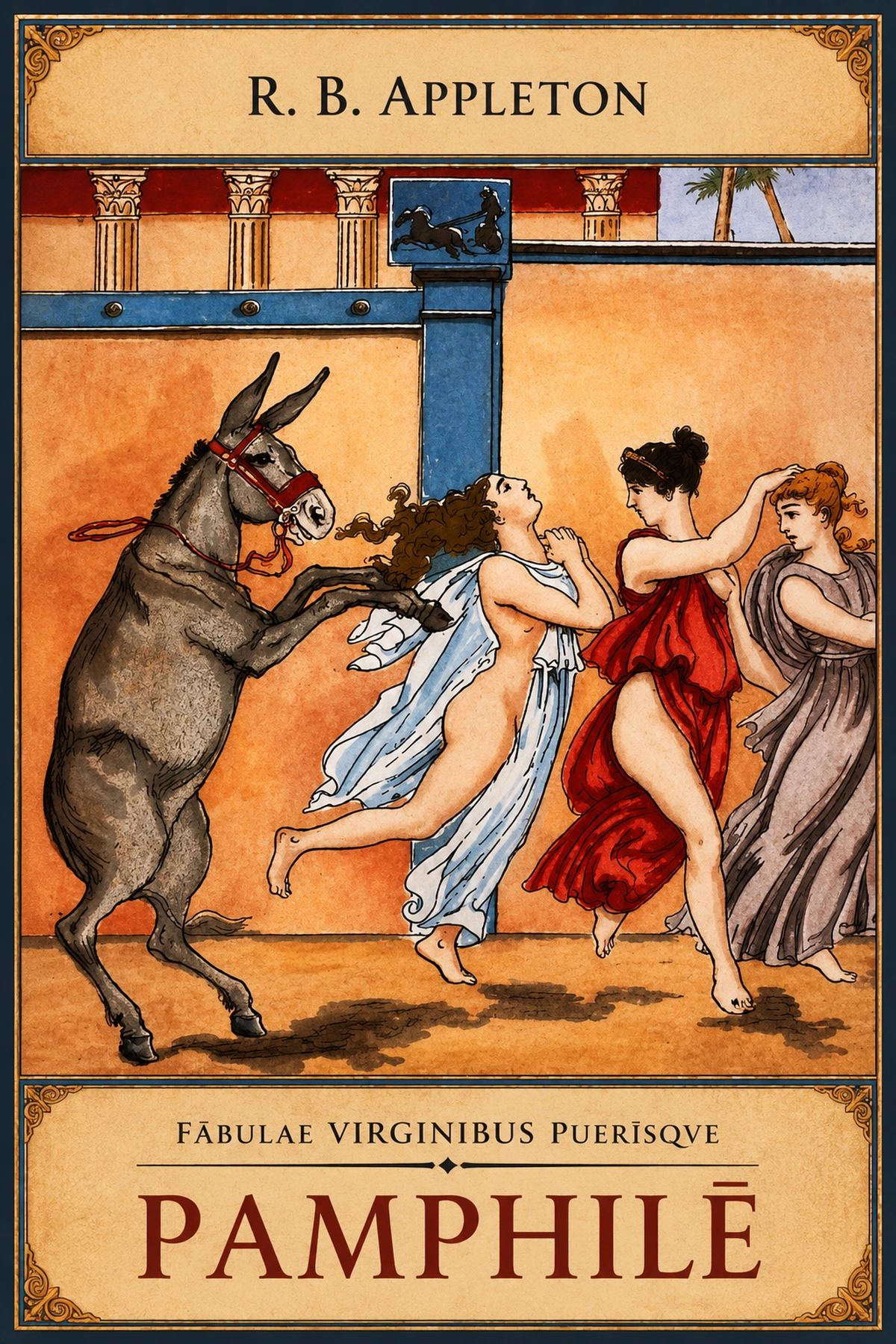
A young man spies on a witch's transformation spell, and his own attempt to copy it goes badly wrong.
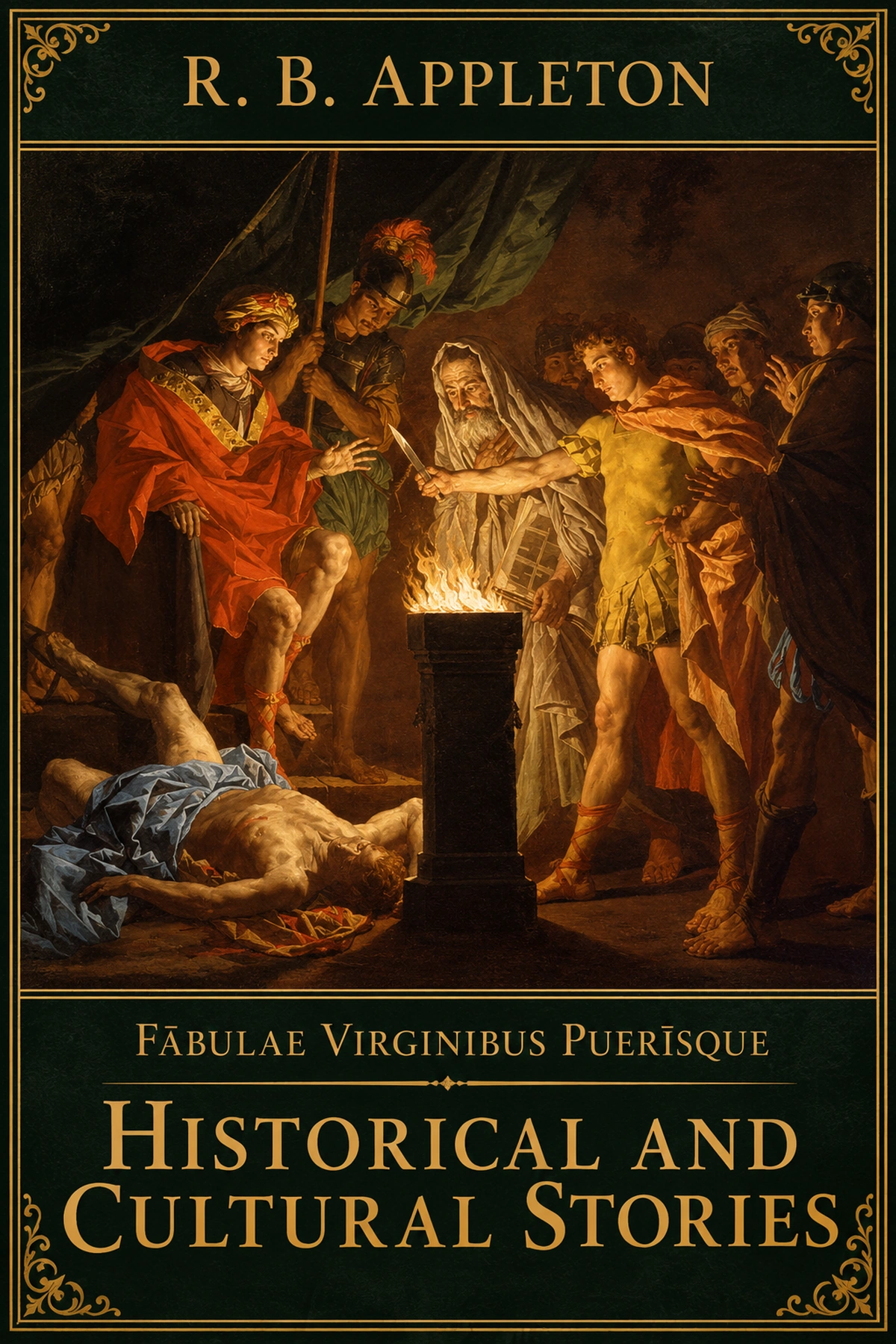
Sixteen short stories of philosophers, rulers, and artists: civic courage, wisdom, and filial devotion.
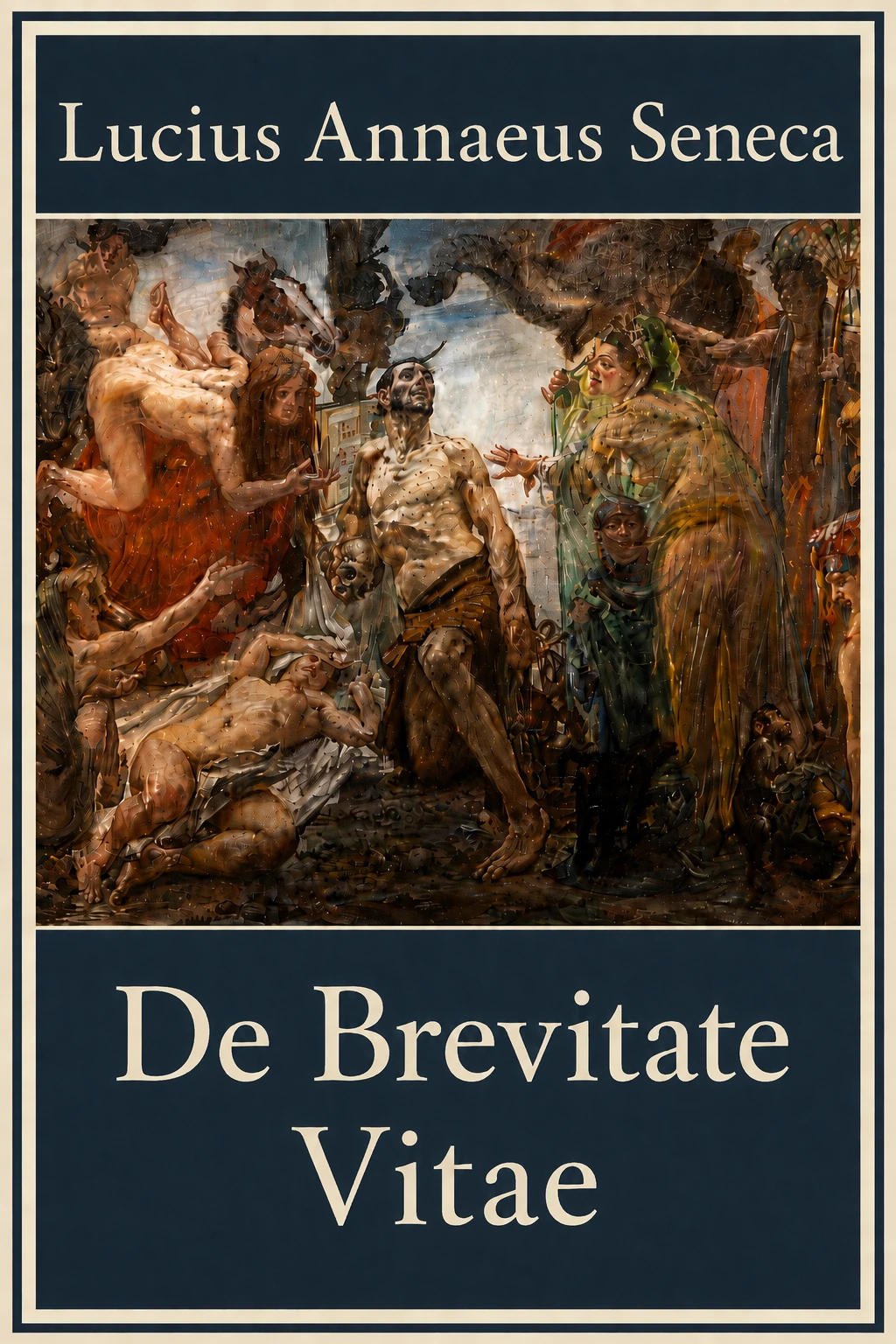
This essay has changed countless lives across millennia. Seneca urges his overworked father-in-law to retire, then turns the argument on his readers: life is not too short -- we just waste too much of it on ambition, distraction, and obligations that do not deserve us.
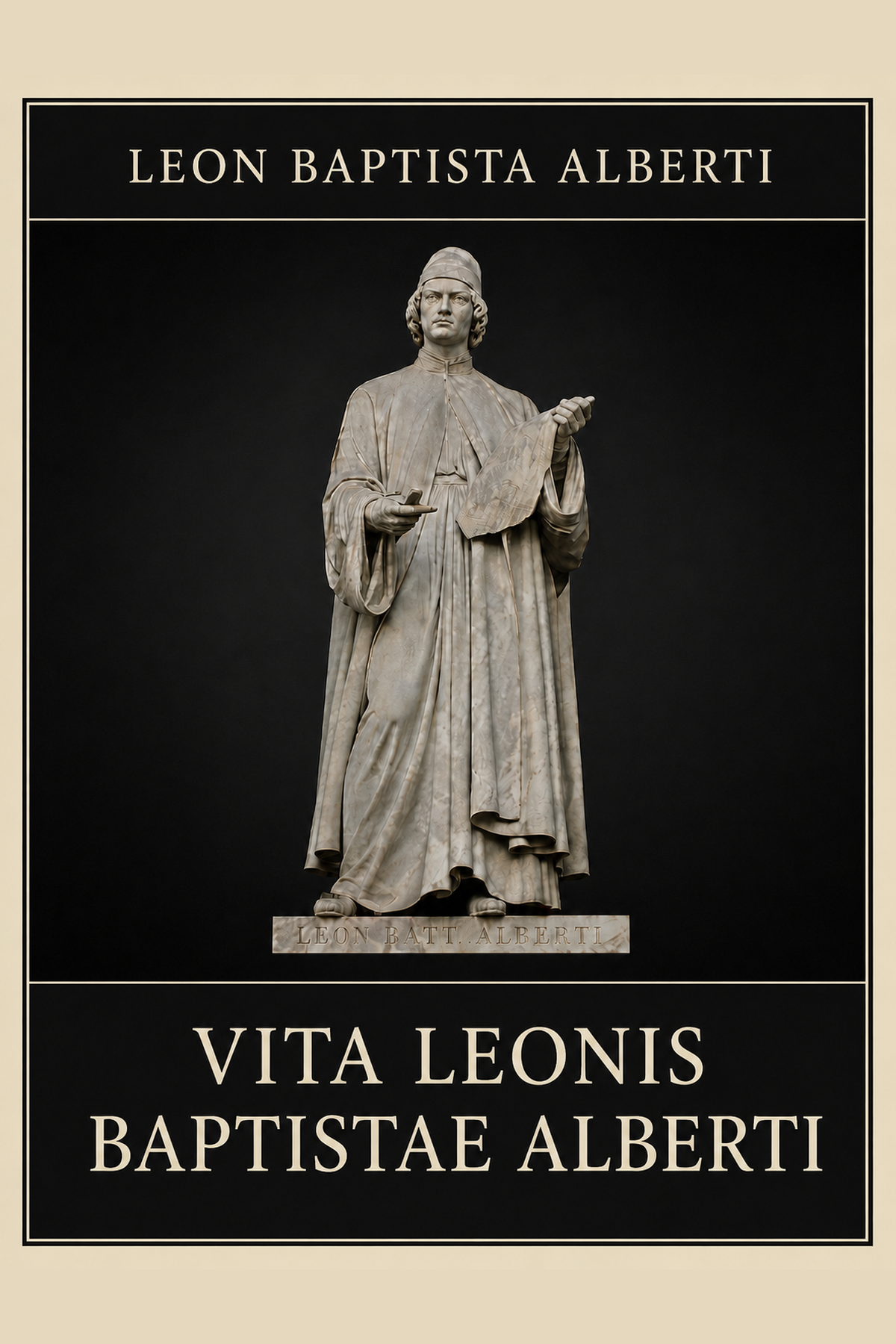
A Renaissance polymath's autobiography, showing off his intellect, wit, accomplishments, and more than a little ego.
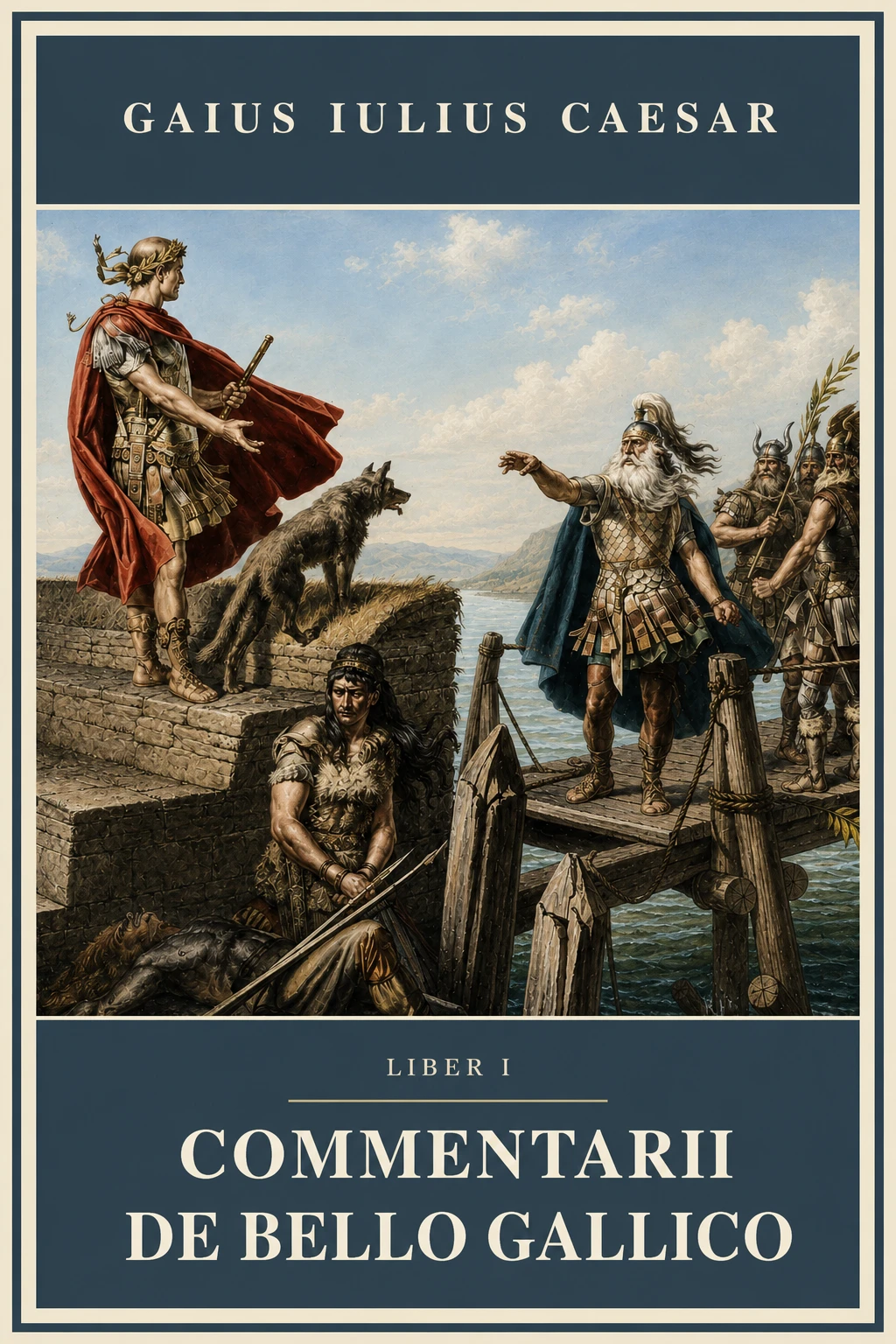
Julius Caesar leads his Roman legions against the Helvetii and the rising power of Ariovistus in a fast-moving campaign against the tribes of Gaul.
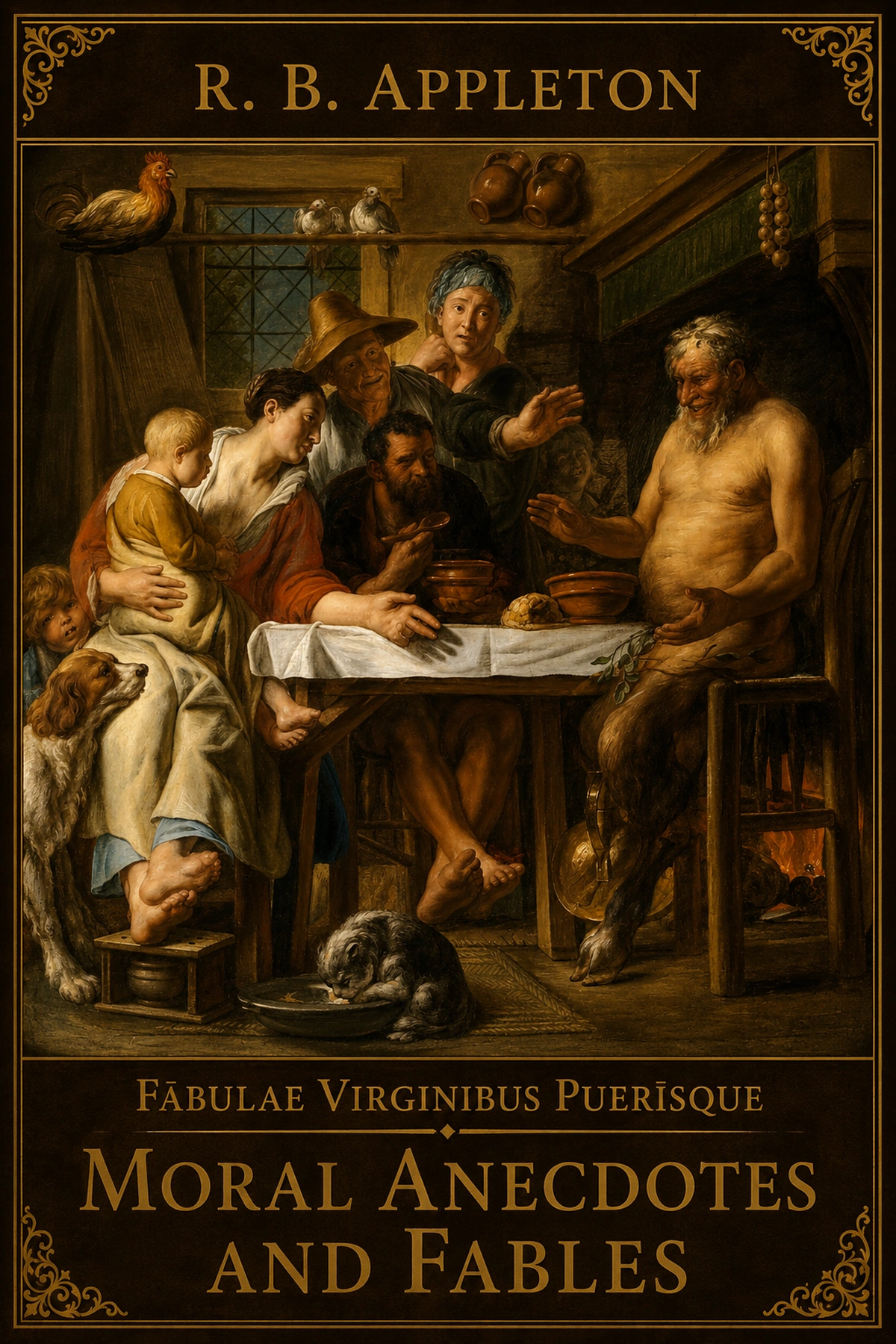
Thirteen short fables and anecdotes of greed, foolishness, deceit, and cleverness.
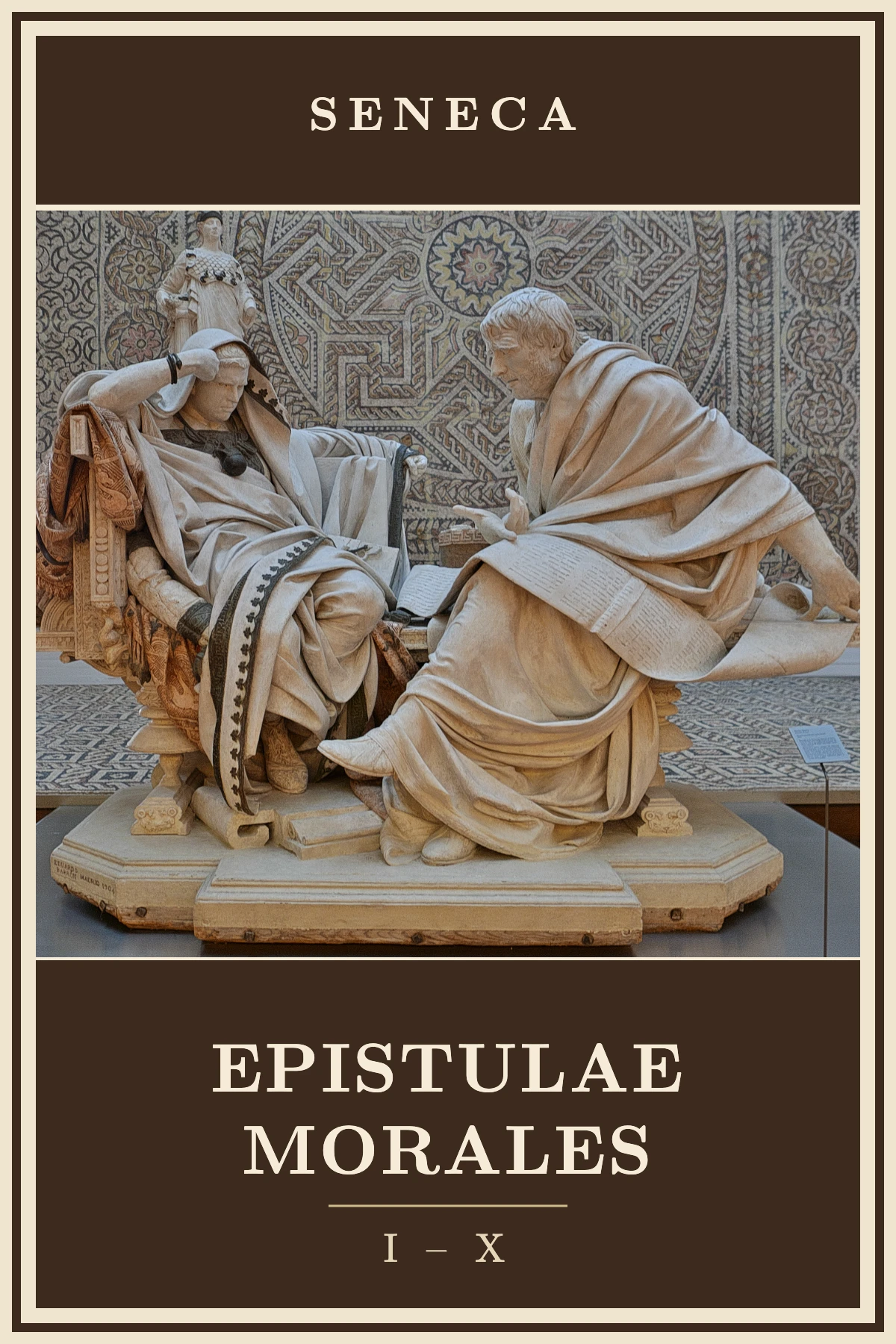
Letters on time, friendship, fear, virtue, and the good life.
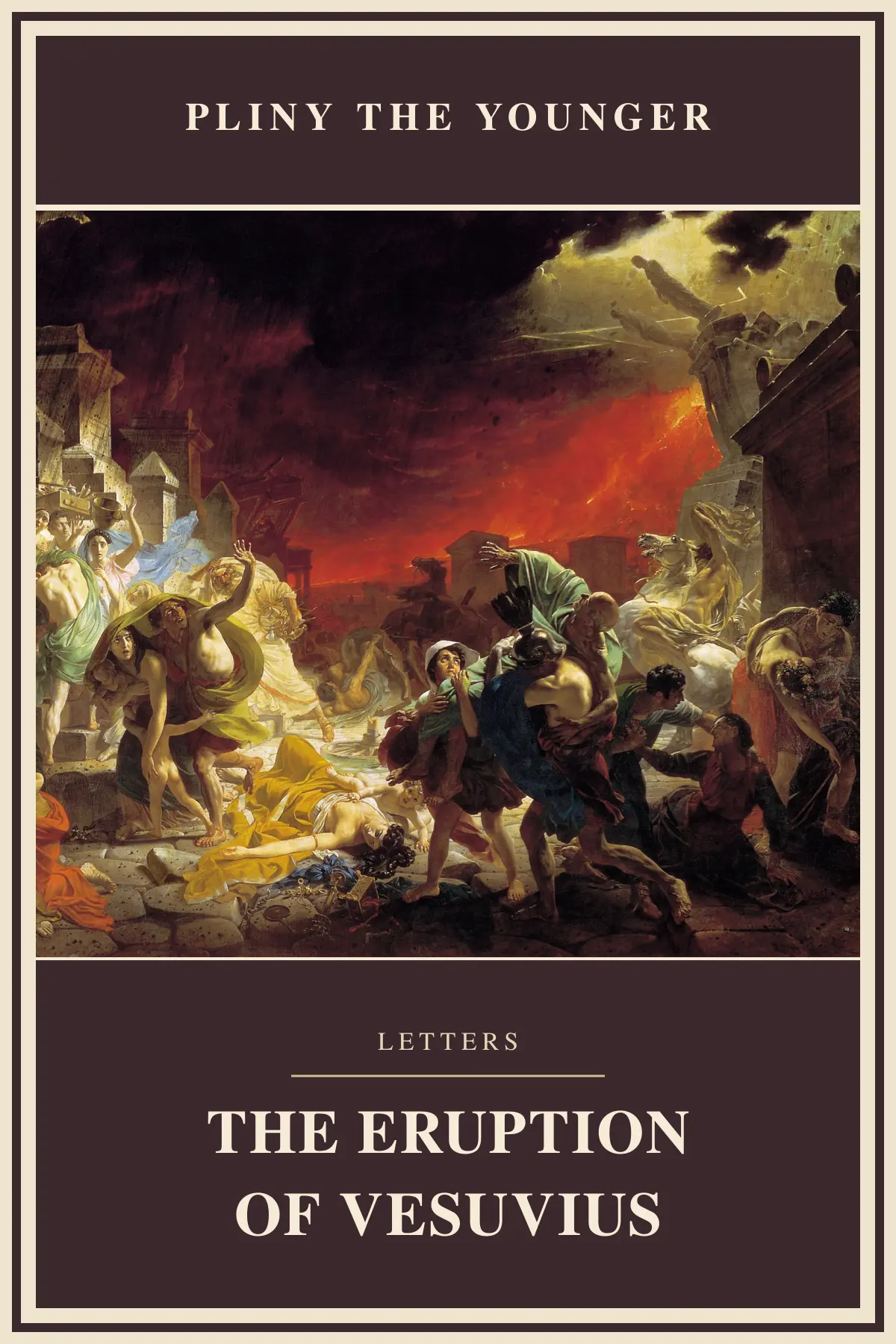
Two letters to Tacitus on the eruption of Vesuvius, AD 79: the death of Pliny's uncle, and the younger Pliny's own account of that night at Misenum.
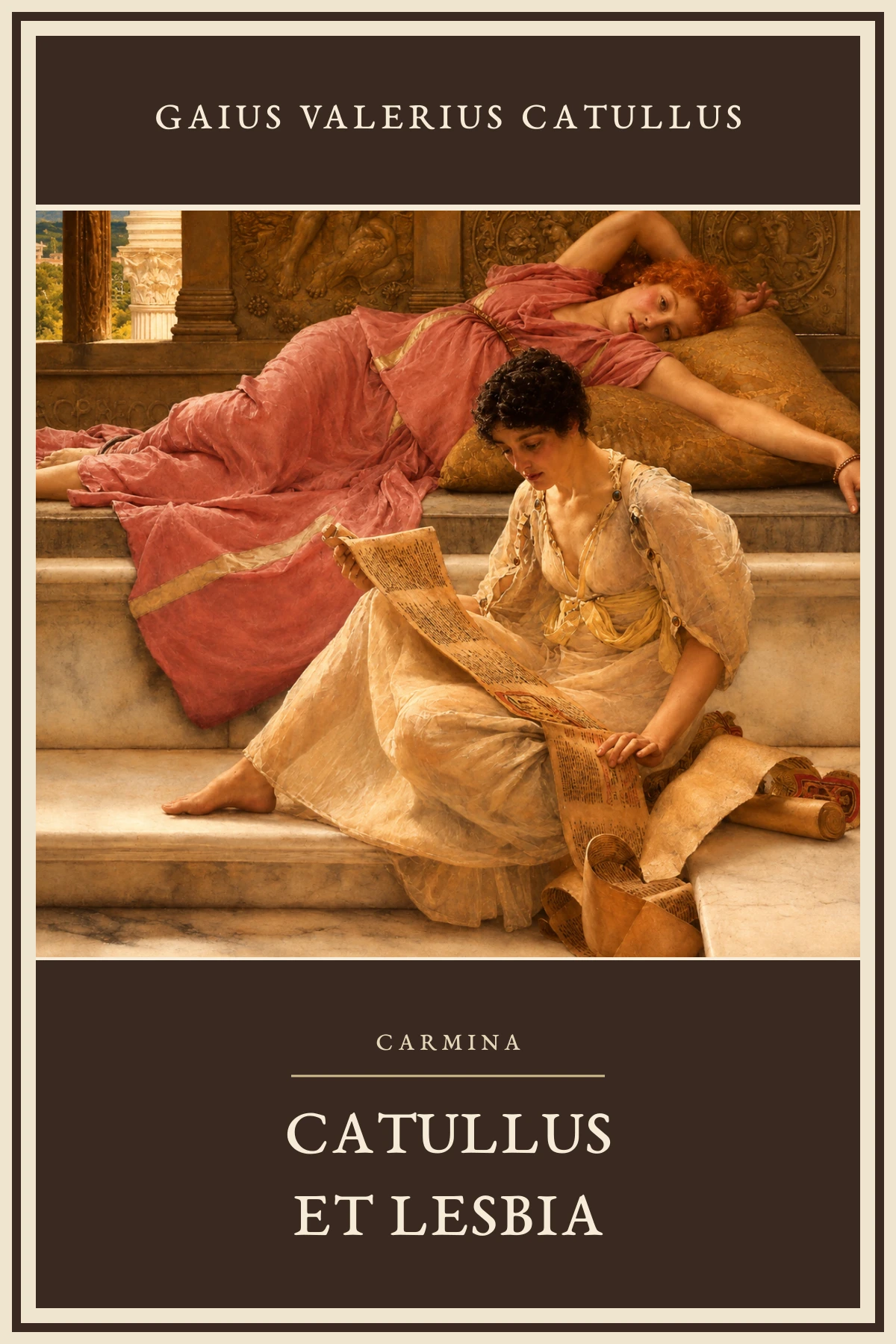
Catullus's complete poetic Lesbia cycle, following the lovers' passionate, jealous, and increasingly bitter relationship from infatuation and intimacy to betrayal, separation, and lingering desire.
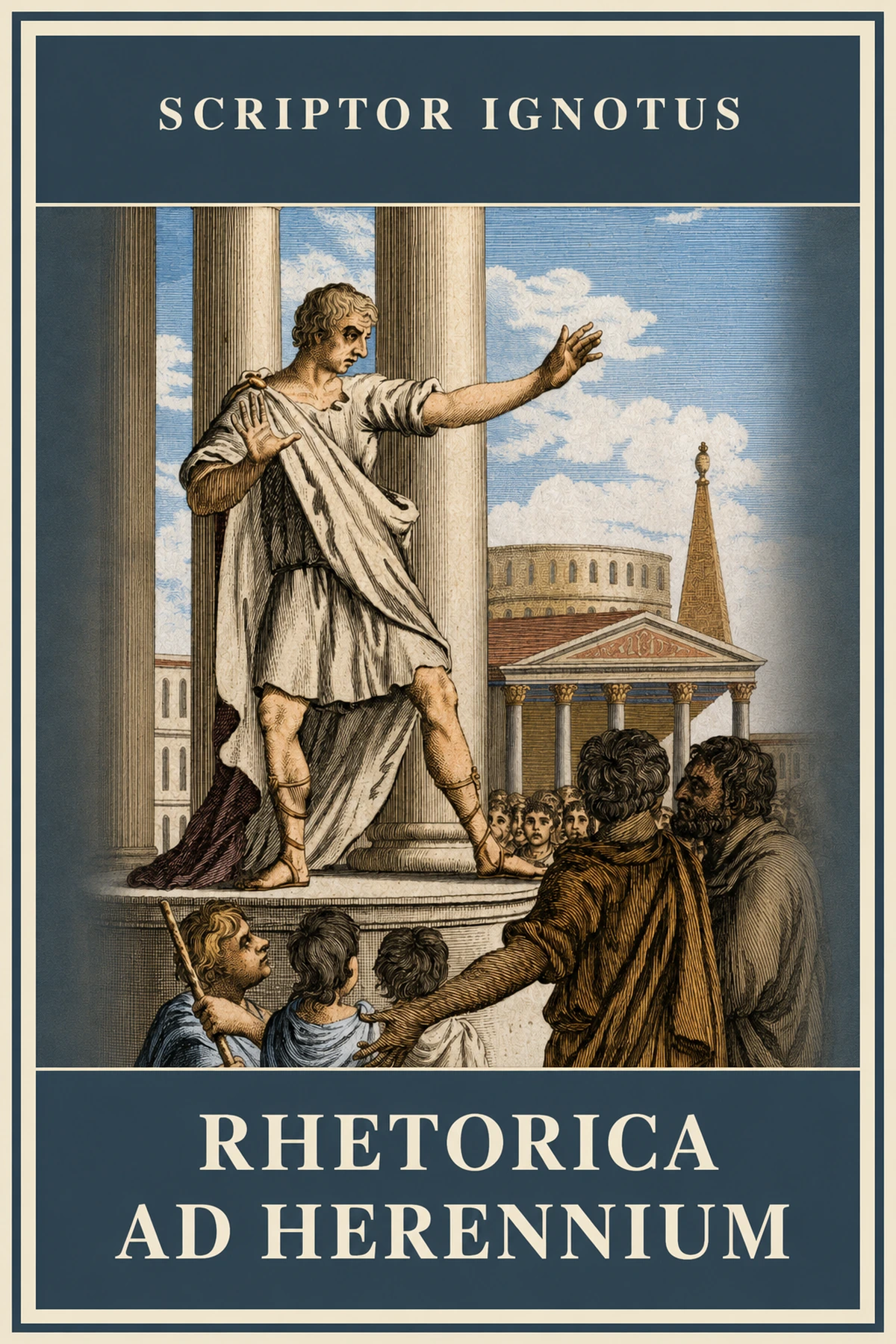
The oldest surviving treatment of the classical art of memory, this passage preserved the method of loci and vivid mnemonic imagery that shaped the Western memory tradition for centuries.
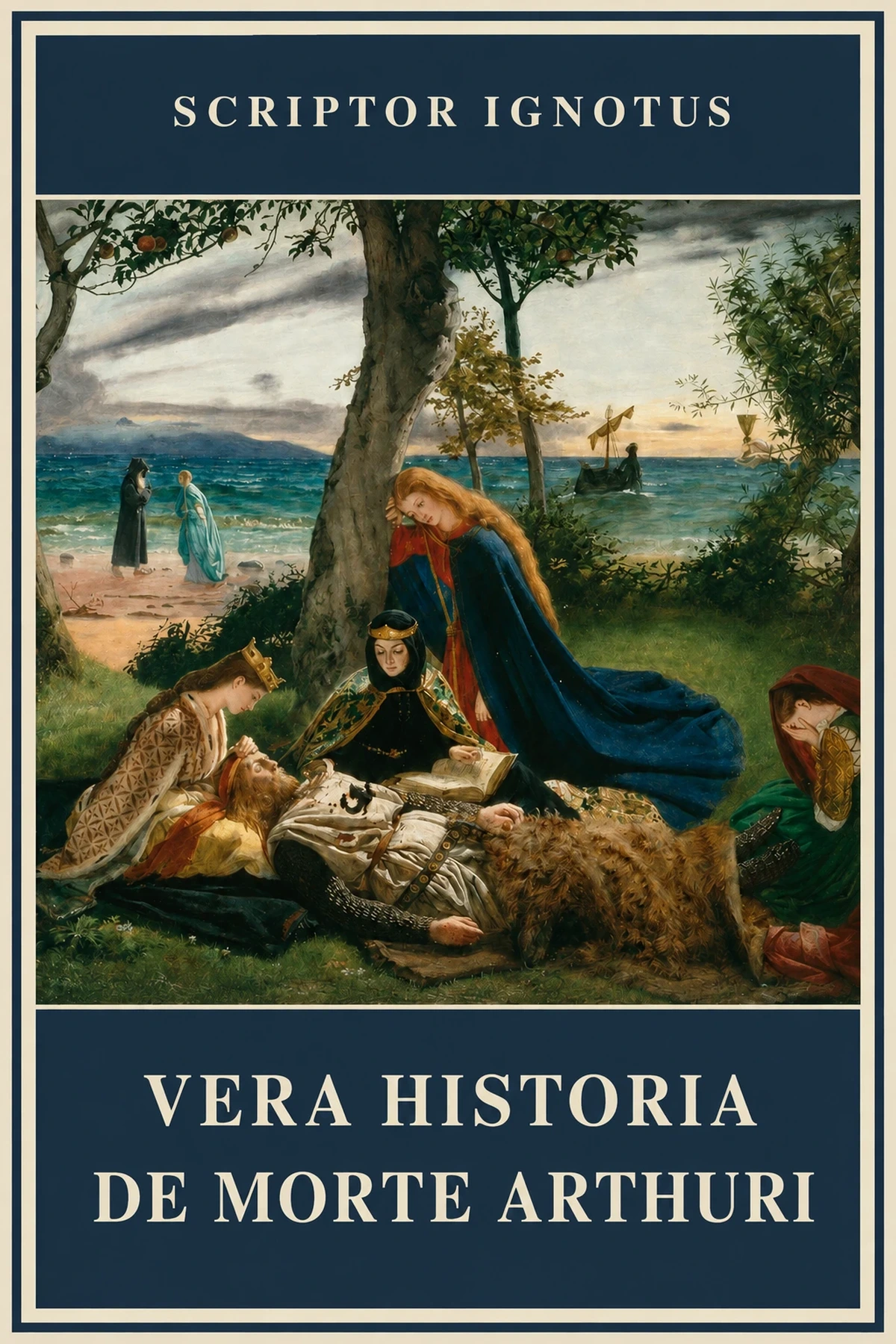
An anonymous medieval Latin account of Arthur’s last battle, mortal wounding, death at Avalon, and mysterious disappearance, poised between chronicle history and the legend that the king may yet return.
Thirteen razor-sharp stories of Roman commanders show how conflicts are won not just by force, but by secrecy, deception, and perfect timing.
Drawing on discipline, justice, courage, and the character that holds armies, states, and organizations together, with famous historical examples.
While ostensibly defending the poet Archias against the charge that he's not a Roman Citizen, Cicero eloquently defends literature, poetry, and the enduring power of intellectual achievement.
Frontinus explains how commanders from Cyrus to Caesar stirred courage, dispelled fear, turned bad omens into assets, and used psychology as a weapon of war.
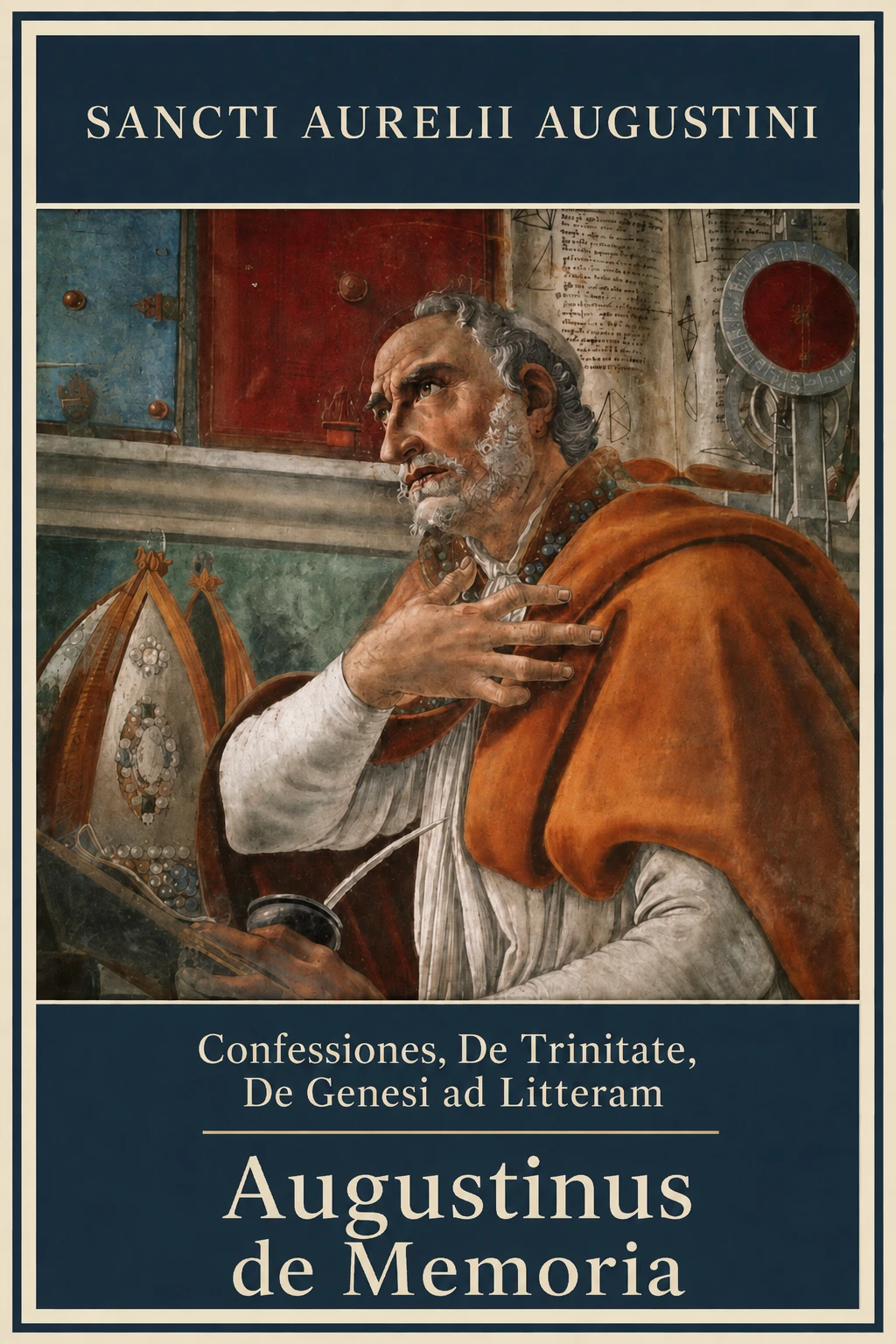
Augustine explores the astonishing reach of memory—its images, hidden chambers, powers, and limits—as he searches the mind for knowledge of himself and of God.
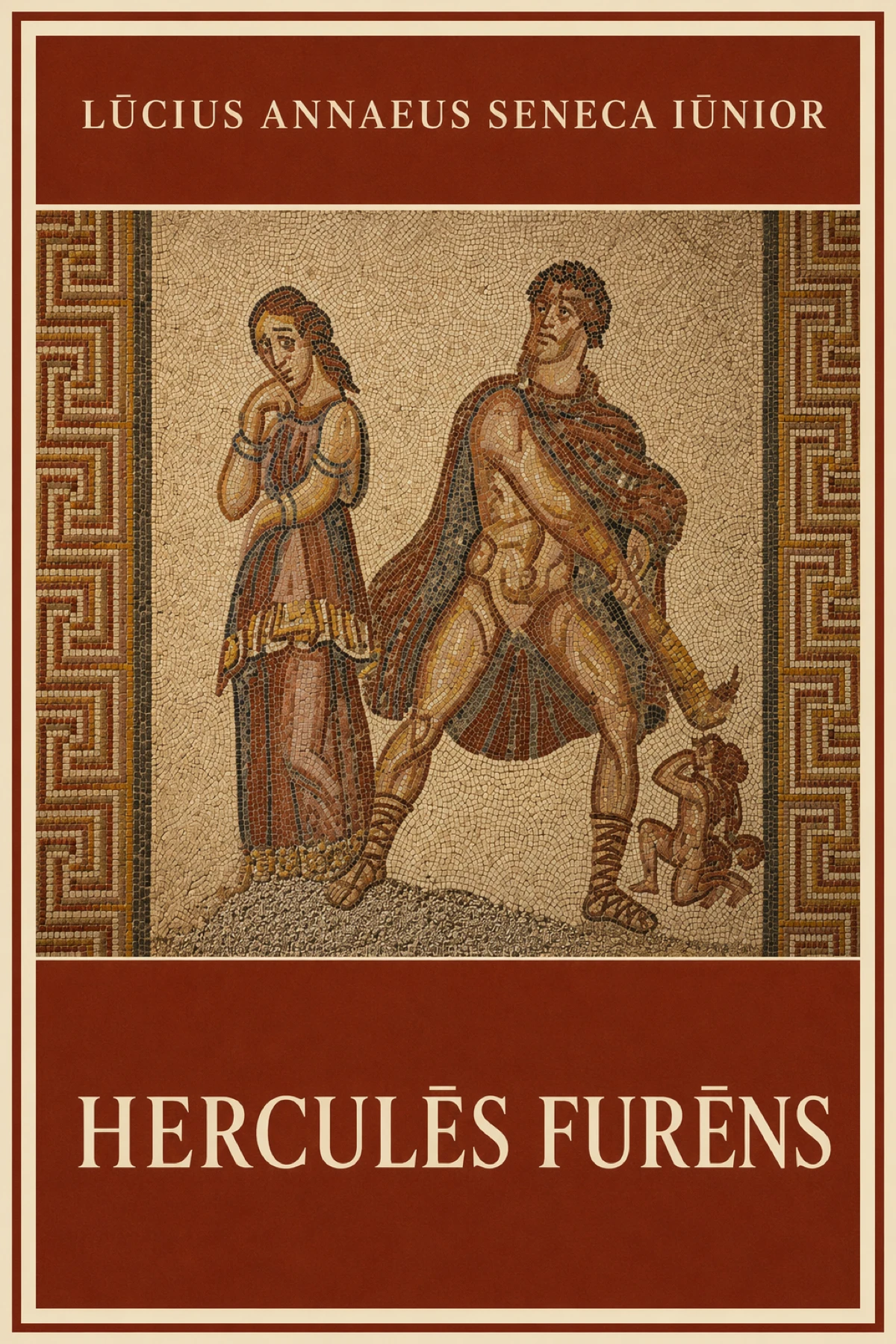
Driven mad by the goddess Juno and forced to kill his own wife and children, Hercules faces a far darker and more tragic fate than the old legends about his 12 labors lead us to expect. This is a play filled with psychological horror, bloody violence, and unforgettable rage-fueled monologues.
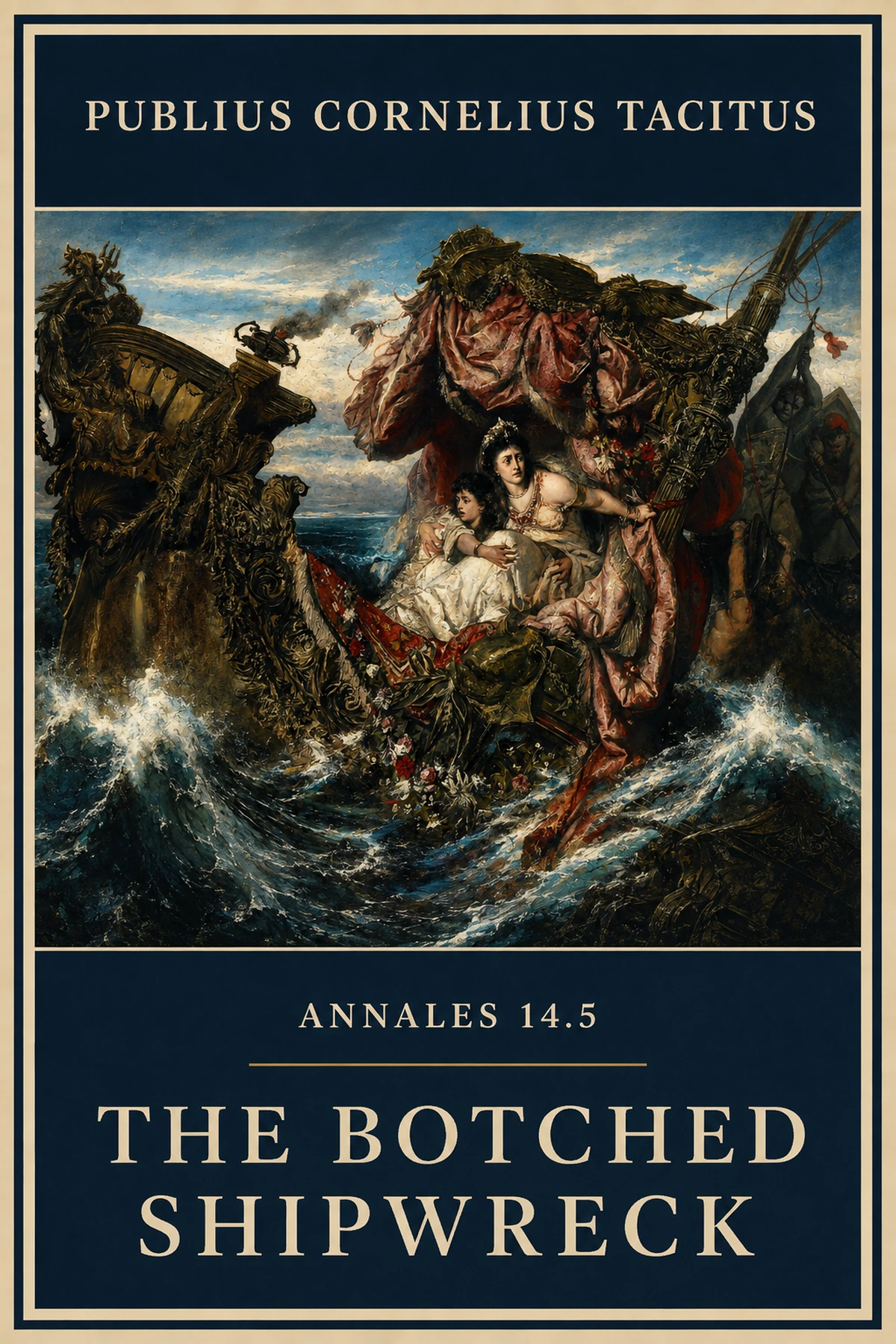
It was an unlikely night for a shipwreck, but the Emperor Nero was determined to have one. After all, what was infamy against the prize of ridding himself of his meddling mother?
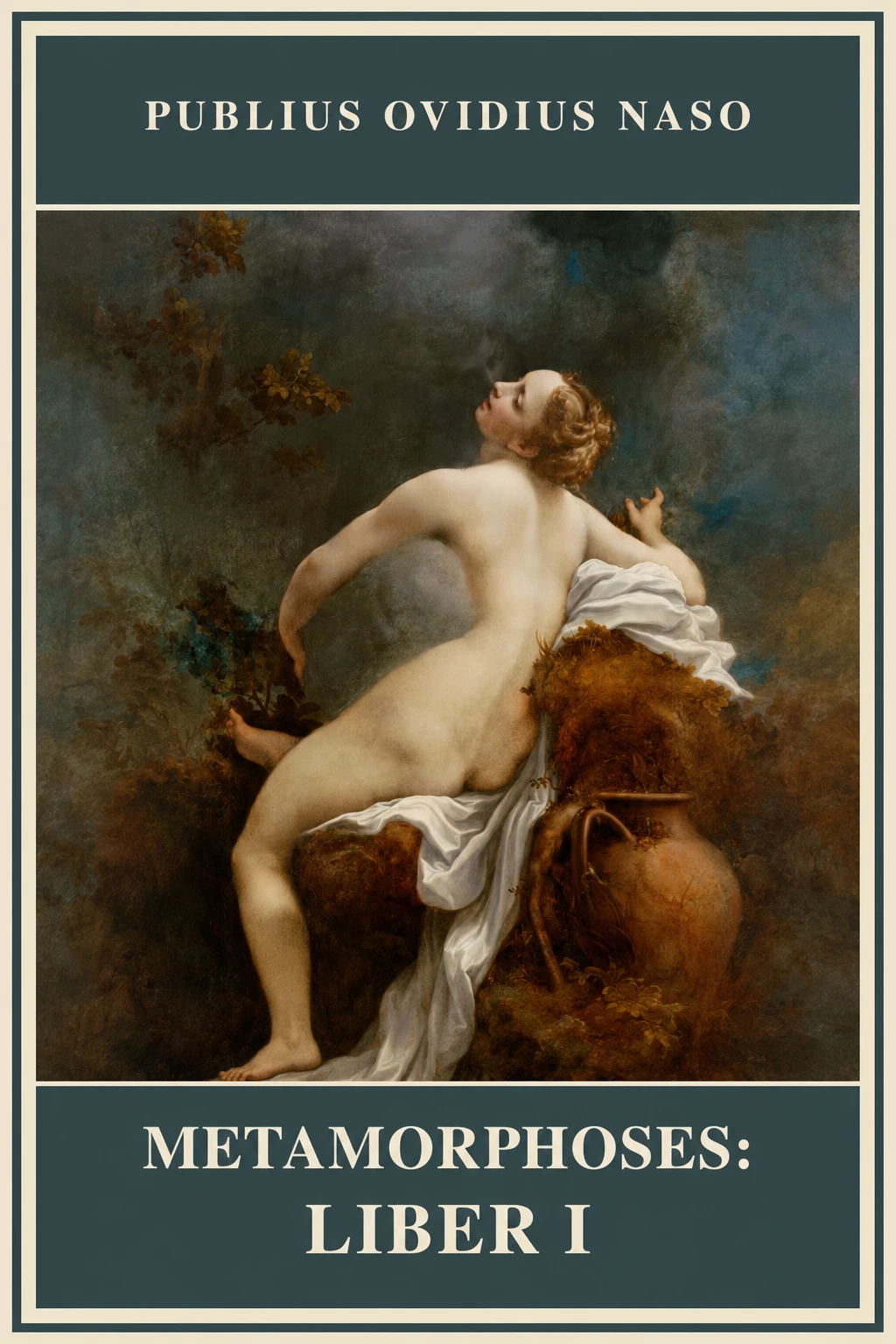
Ovid's great epic of transformation begins with creation and carries the reader through divine desire, catastrophe, and the first myths of a changing world.
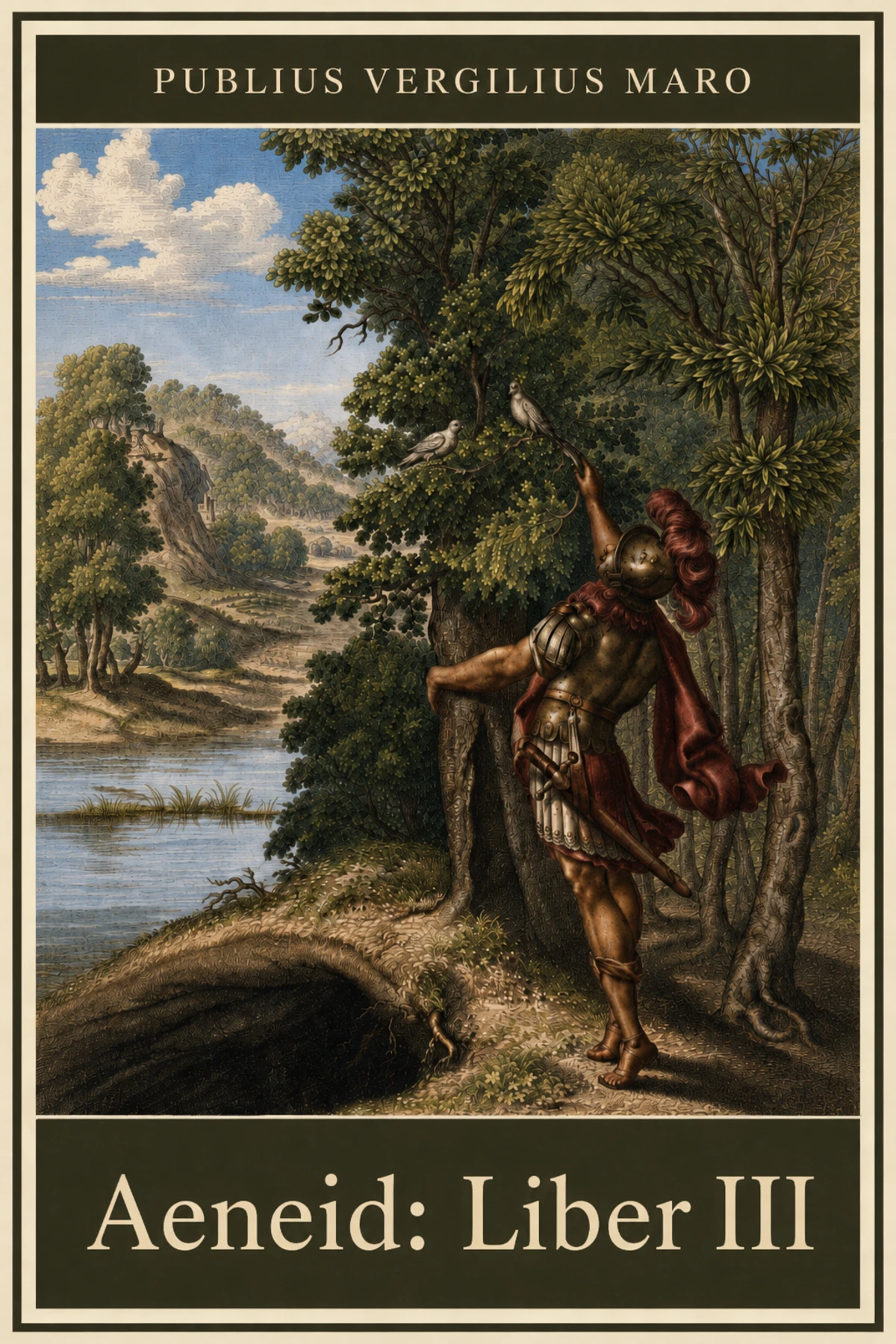
Aeneas crosses a haunted Mediterranean of ruined cities, prophecies, monsters, and dangerous shores as the Trojan survivors search for the land where they are destined to build a new future.
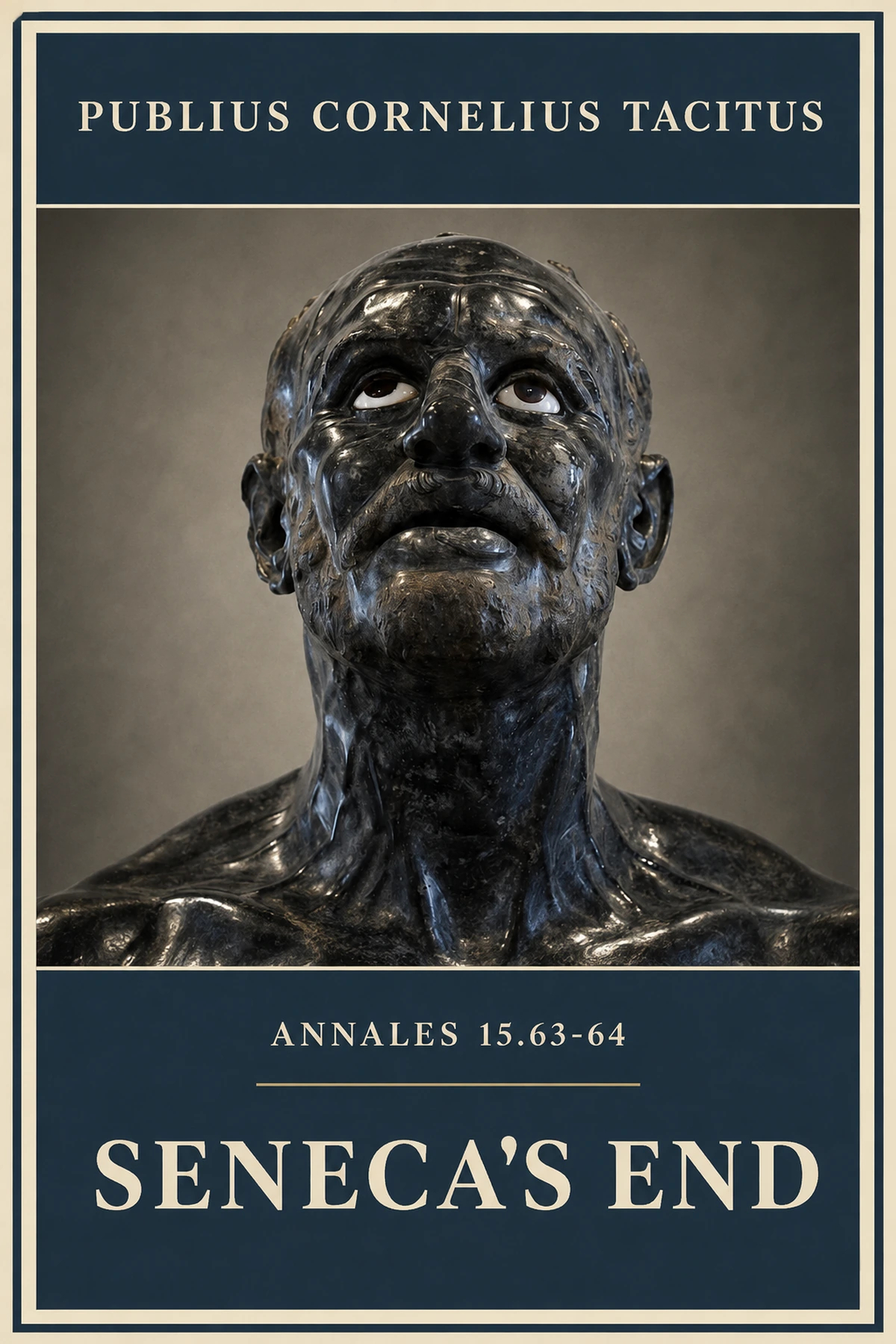
Neither surprised nor moved by the Emperor Nero's death sentence, the Stoic philosopher Seneca constructs an end to rival Socrates.
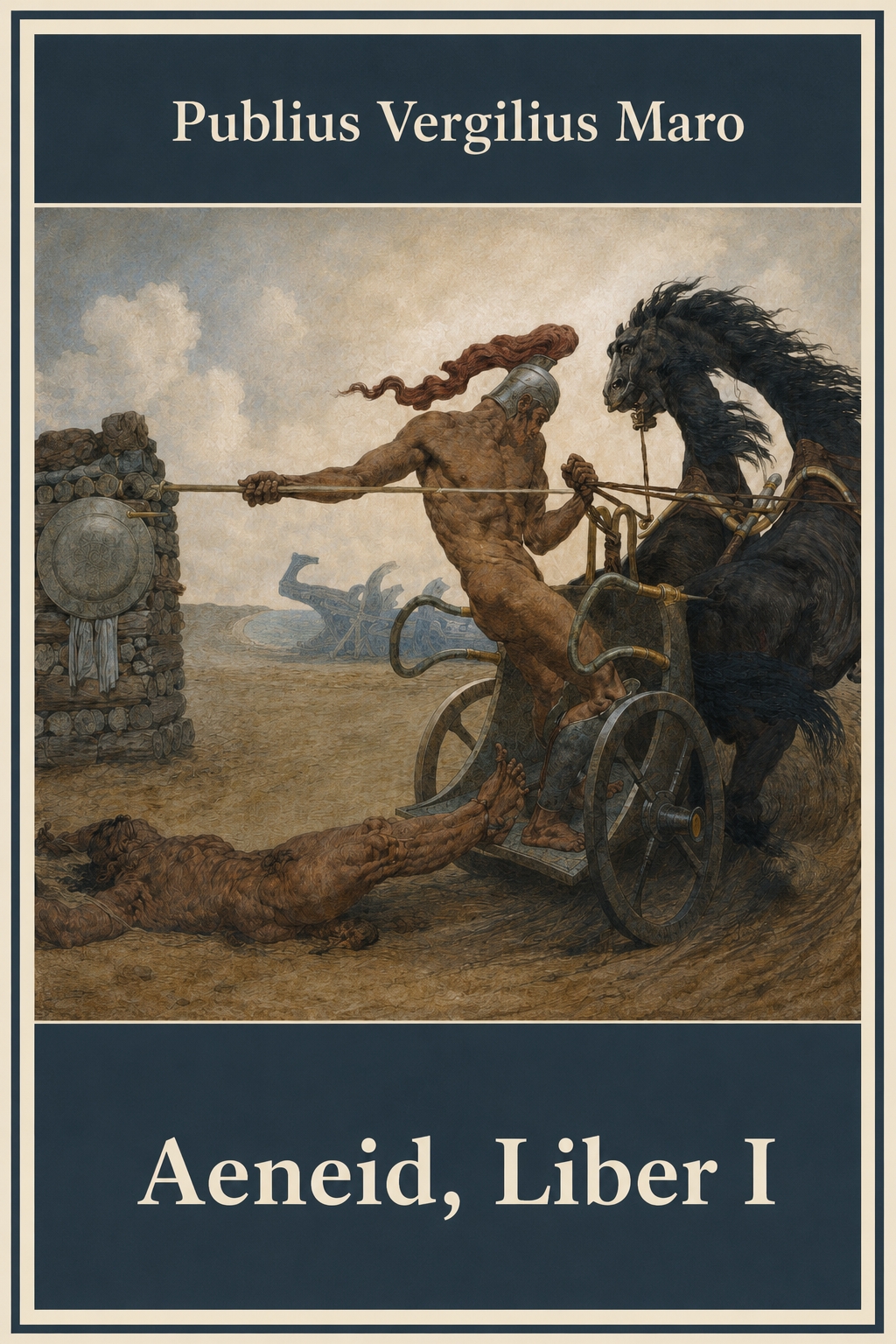
Driven from Troy and battered by Juno's storm, Aeneas reaches Carthage, where Queen Dido welcomes the Trojan survivors and their fateful encounter begins.
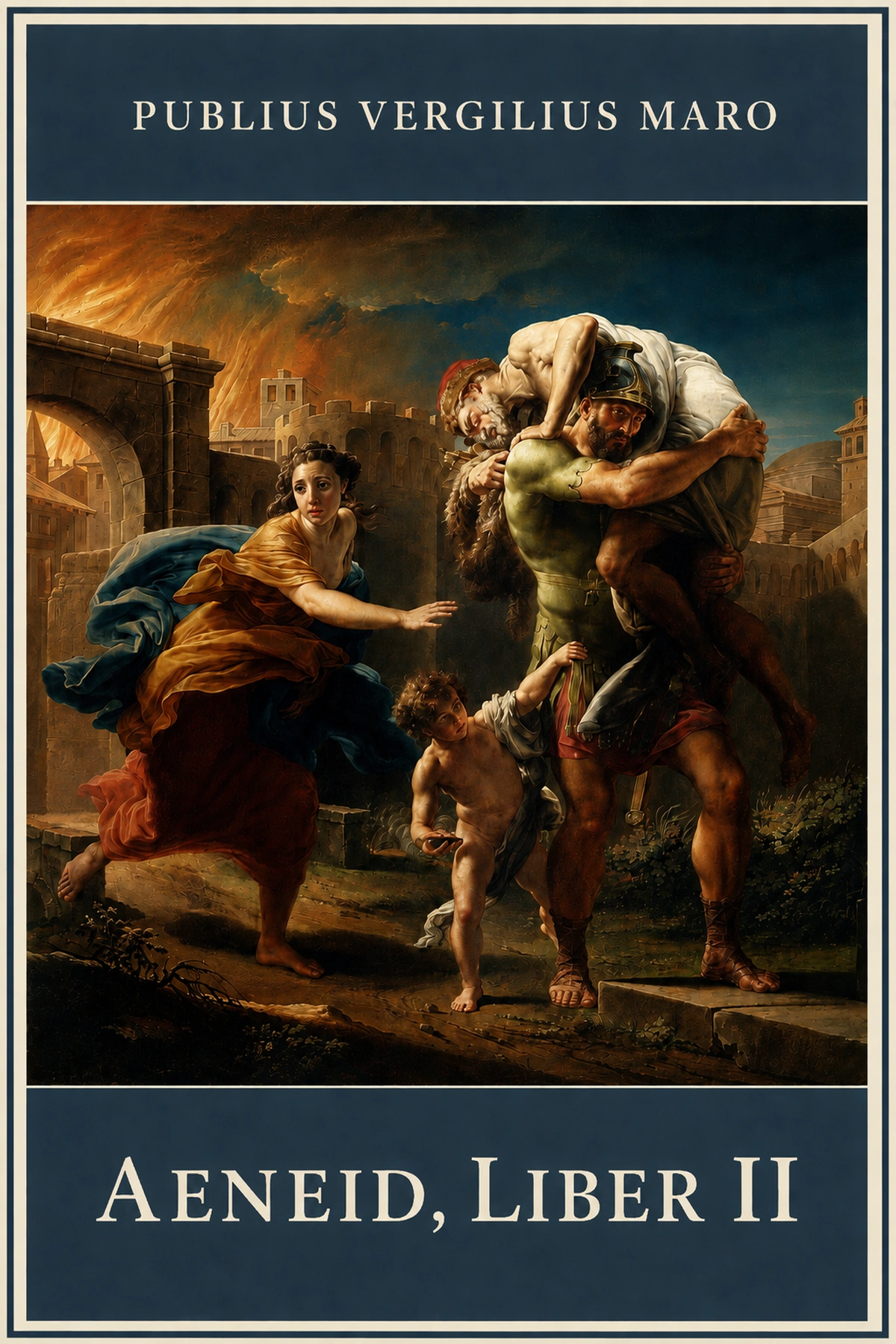
Aeneas recounts the fall of Troy, from the fatal wooden horse to the city's destruction and his desperate escape with his family.
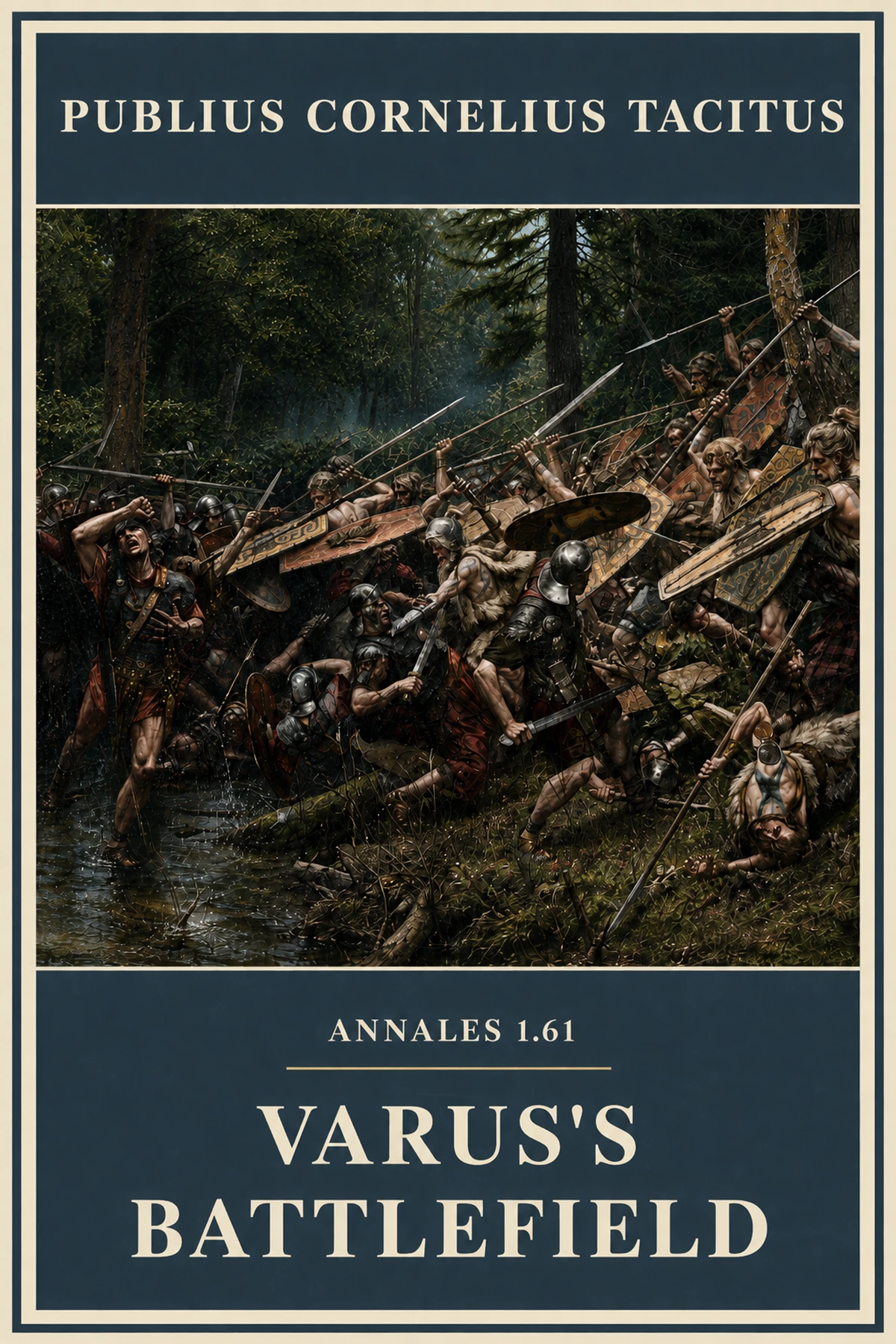
Six years after a Roman army was slaughtered by Germans at the Battle of the Teutoburg Forest, the Roman general Germanicus returns to see what happened with his own eyes and put the place to rights.
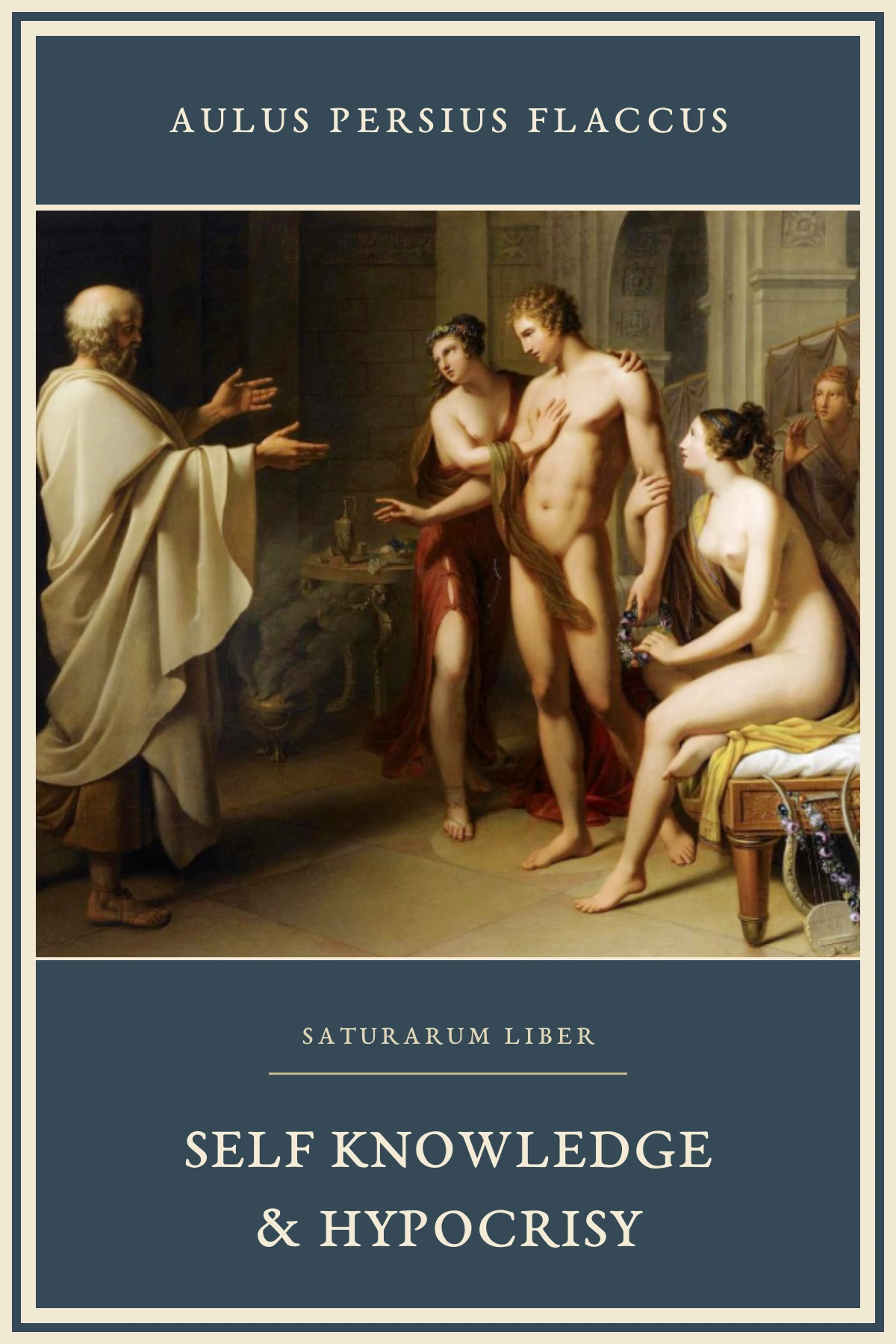
Persius satirizes his contemporaries' lack of the self-knowledge and hypocrisy and argues for mastering oneself before meddling in the world.